Did you know that hidden within the song is a magickal diminishing spell? Or that occult subtexts are woven into the letters of the words? We'll lift the lid on everything, but if you are prone to hauntings or sensitive to dark influences, please don't continue.
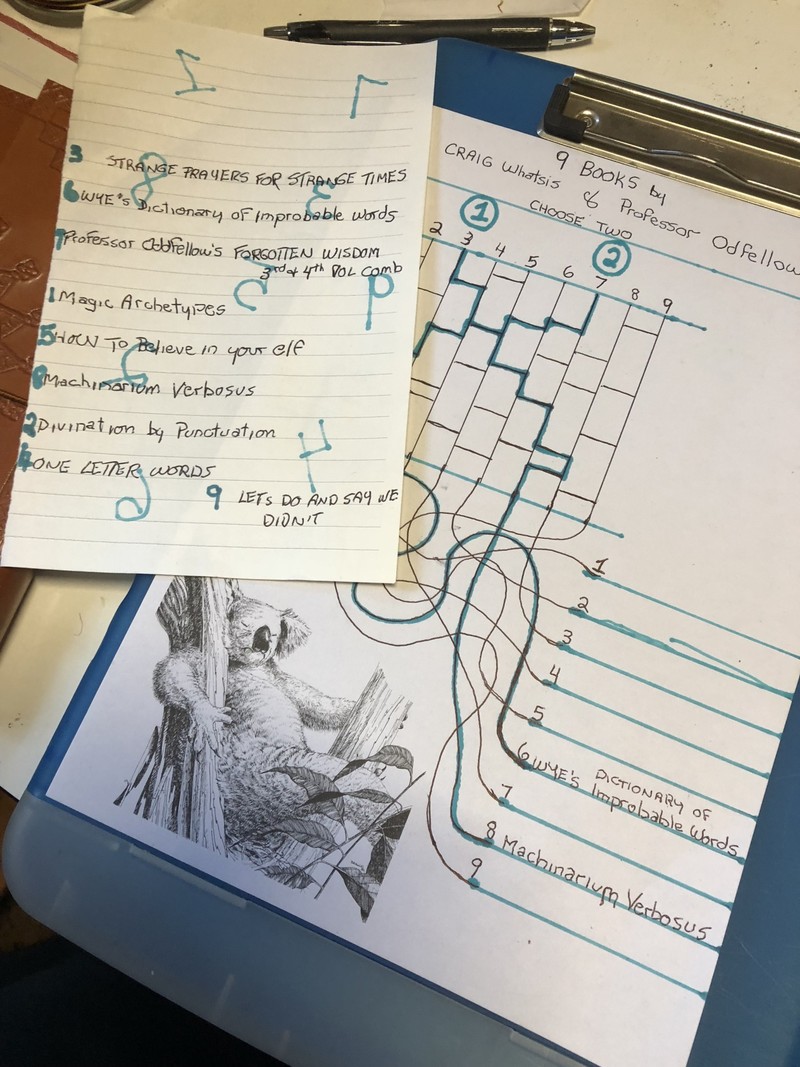
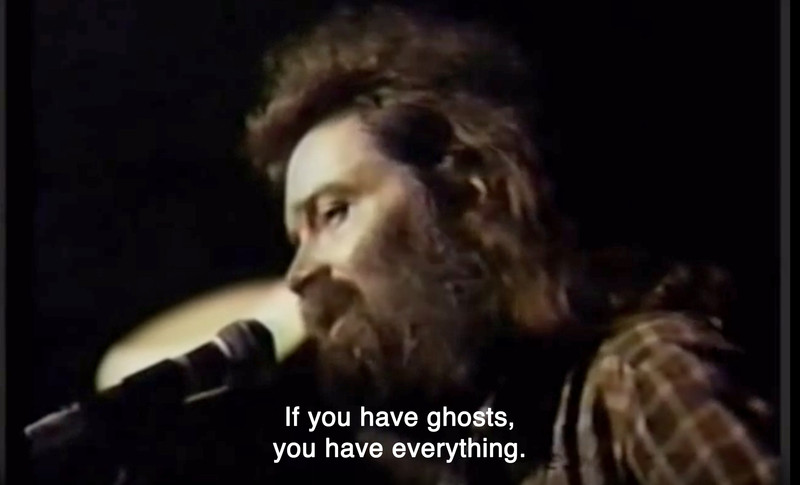
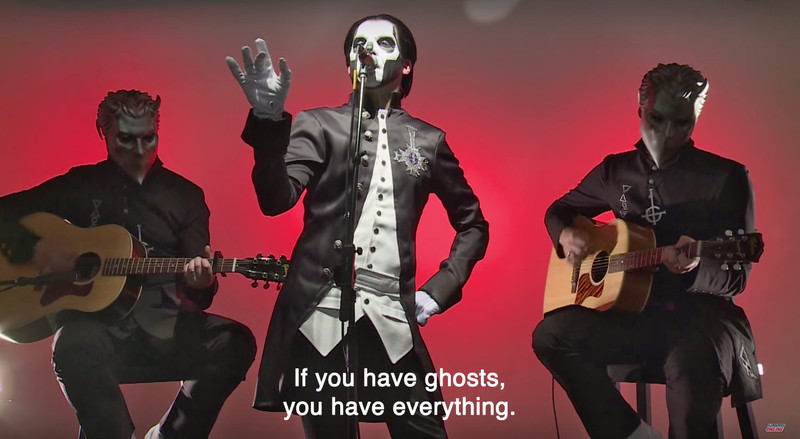
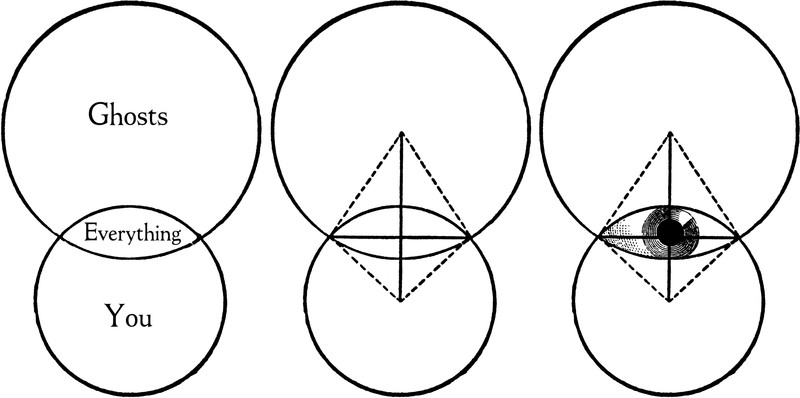
When we do a Venn diagram of the song's most famous line, "If you have ghosts, you have everything,"
we can interpret this ancient symbol as depicting the building of one's consciousness toward higher understandings.
First of all, what are these ghosts, exactly?
They can be interpreted as lost loves (as the old saying goes, it's better to have lost in love than never to have loved at all),
one's shadow self (knowledge of which is crucial to one's psychological integration),
haunting memories,
personal demons (one has to recognize one's personal demons before one can overcome them),
or spirit guides.
That phrase, "if you have ghosts," contains hidden meanings within its letters.
They rearrange to read, "give UHF [ultra-high-frequency] soothsay," referring to powerful magickal pronouncements,
and "ashy hooves fugit," which means that one must walk the walk after talking the talk. The ashy hooves, of course, conjure images of a goat-legged demon from hell.
The lyrics suggest that you can say and do anything you want, because having ghosts doesn't control one's words or impede one's actions as if one were a spirit medium.
The next line, "Wine never does that,"
is often heard as "One never does that." But the word "wine" makes sense, as alcohol is the wrong sort of spirits.
But if you like the word "one," it also works in the sense of helpers being necessary to facilitate a person's higher understandings.
The next line is, "If you call it surprise, there it is." Whether the word is "surprise" or "a price," the lyric is saying that the situation is what it is, surprising or not, and it costs what it costs, so you pay the price.
Then we come to the line, "In the night, I am real."
Within that phrase are hidden four other meanings.
"Aha, emit inner light." That recalls a "eureka!" or a sudden insight, that the glow of one's personal illumination is more easily seen when not eclipsed by bright sunlight.
"Latin enigma hither" is a calling forth of a mysterious spell from a grimoire.
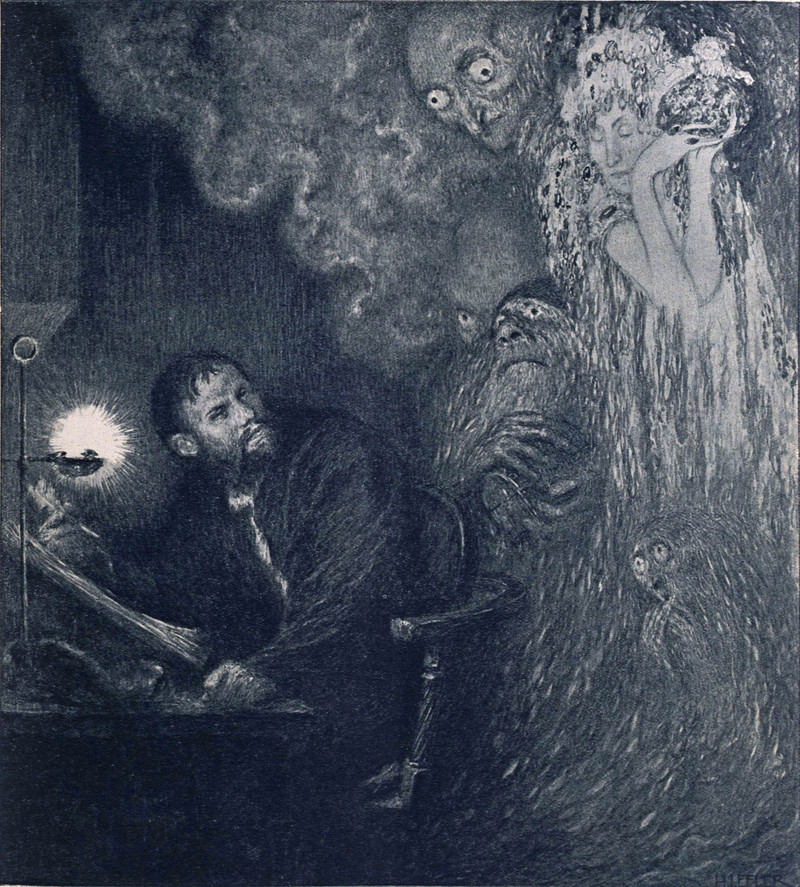
"Inheriting a Hamlet" refers to the Shakespearean character who was haunted by the ghost of his father.
Hamlet's life was like a "nightmare," but he sought opportunities to "heal in it."
The phrase "I am real" in itself contains two other meanings.
The Spanish/Latin "alma ire" refers to the spirit soul's righteous anger. In Japanese, "alma rei" refers to a ghost's amenities or useful features.
In the next lyric, we learn that the moon to the left is a part of his thoughts.
This is where the secret diminishing spell is hidden.
Note how the phrase "is a part of my thoughts" is reduced as it is repeated, until only two words remain. This follows the tradition of the famous "abracadabra" diminishing spell on talismans for curing disease and lessening malefic influences.
The reference to "the left" recalls the left-hand path of black magick. The association of the moon with the left side is depicted in Michelangelo's painting of God's creation of the heavens. The moon is at God's left hand.
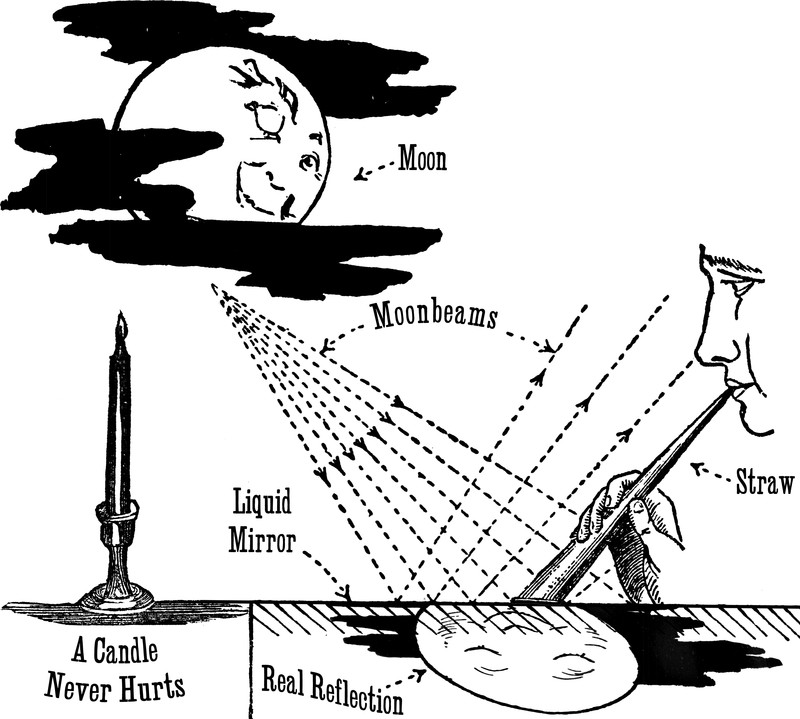
A moon illuminated on the left is waning, symbolic of weakening, losses, and aging. The waning moon is identified by holding one's left hand toward it and seeing if the curve of the crescent corresponds to the curve of one's thumb.
The lyric that the waning moon is a part of oneself is quite profound. It's saying that life's losses don't detract from oneself but are actually a part of the whole, just as an erasure is part of a page.
Some listeners will hear "the man to my left" instead of "the moon," and that's legitimate, too. Even "the man in the moon" is present within the song, as sensitive folk will be able to confirm.
Another key line in the song is, "Forever is the wind."
This phrase hides four other meanings.
"Feverish writ done" refers to an impassioned magickal command being completed.
"Review fetid horns" means taking stock of one's demonic nature that has turned foul.
"View strife, dehorn" means reviewing conflicts and nipping them in the bud.
"Terrified hen's vow" refers to the Black Pullet grimoire, a necromantic science of magickal talismans.
Finally, we encounter this lyric: "I don't want my fangs too long."
This sounds like not wanting overly elongated teeth, like beavers who must wear them down. But consider a vampire who finds eternal life its own sort of hell and dreams of dying. Such a vampire might wish for fangs not lasting too long a time.
It's traditional at this juncture to ask what you personally think the song means. Please forgive us letting that invitation pass. It's been a long night.