CRAIG CONLEY (Prof. Oddfellow) is recognized by Encarta as “America’s most creative and diligent scholar of letters, words and punctuation.” He has been called a “language fanatic” by Page Six gossip columnist Cindy Adams, a “cult hero” by Publisher’s Weekly, a “monk for the modern age” by George Parker, and “a true Renaissance man of the modern era, diving headfirst into comprehensive, open-minded study of realms obscured or merely obscure” by Clint Marsh. An eccentric scholar, Conley’s ideas are often decades ahead of their time. He invented the concept of the “virtual pet” in 1980, fifteen years before the debut of the popular “Tamagotchi” in Japan. His virtual pet, actually a rare flower, still thrives and has reached an incomprehensible size. Conley’s website is OneLetterWords.com.
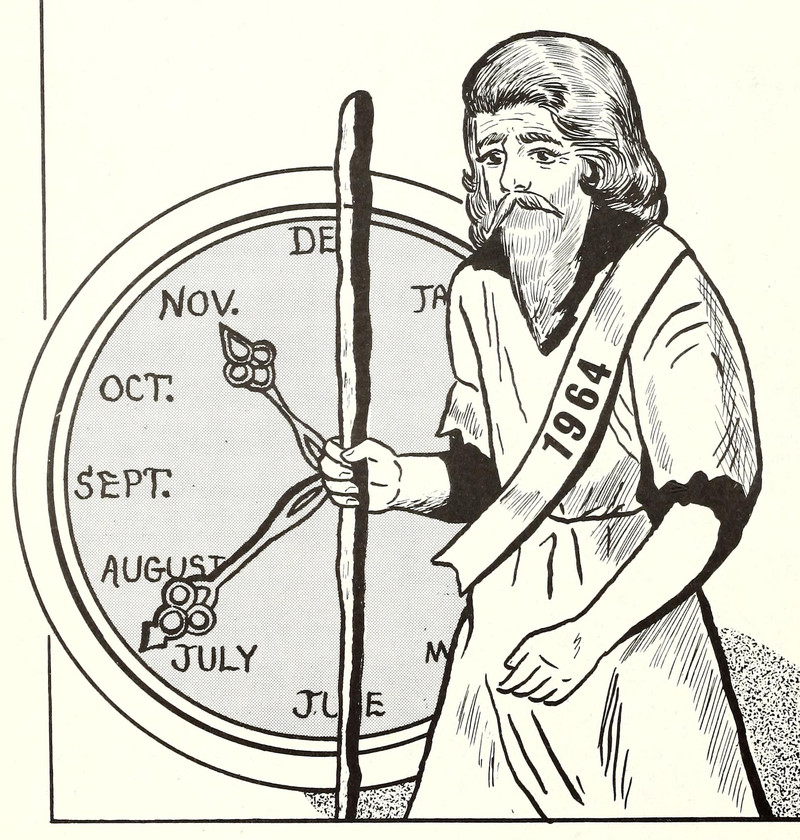
Our clock arrived with months insteads of numbers, too. When we tried to return it, they said the 30-day window had already passed. When we set the alarm, we didn't wake up until August. From The Free Will Baptist, 1965.
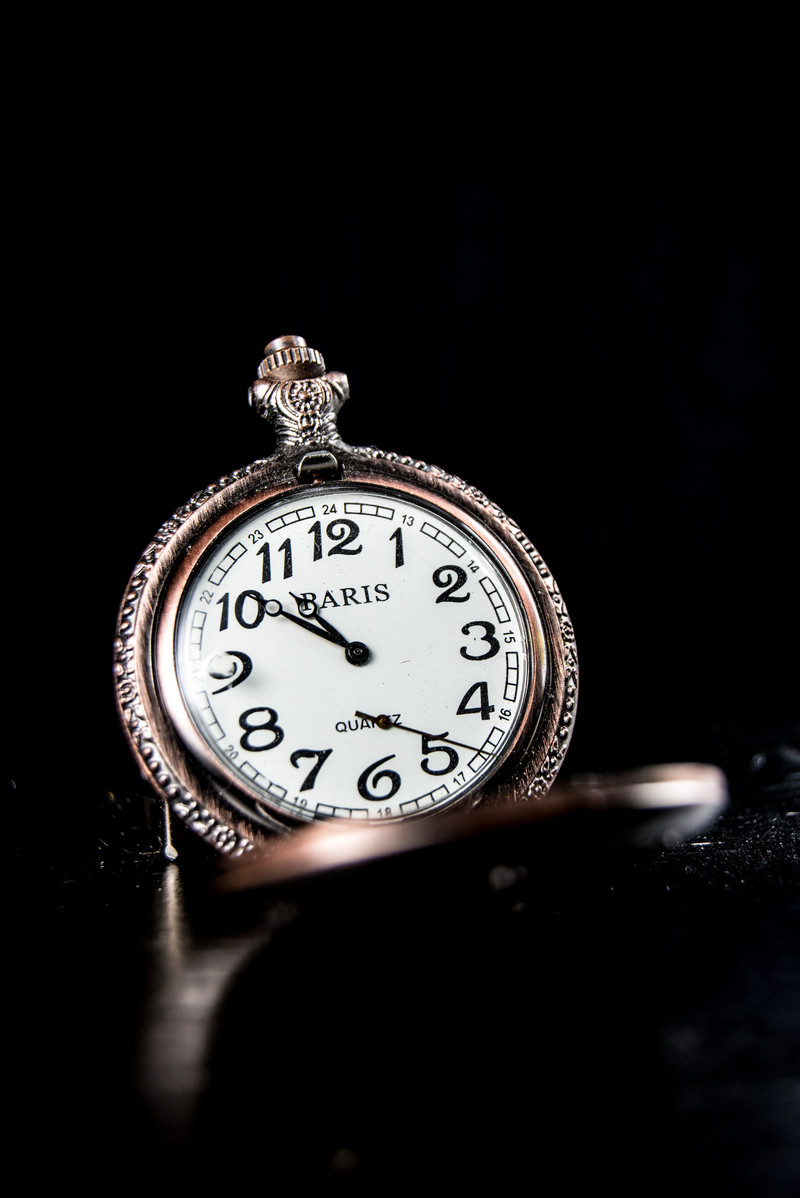
In business proceedings, if there are no seconds then a motion fails. In the fabric of time/space, if there are no seconds, then is our own movement suspended? Photo courtesy of Danko8321.
"There will be a slight timing error in the taped time signals" (A Compilation of Moored Wind and Current Meter Observations, 1970) Photo courtesy of Jürg Stuker.
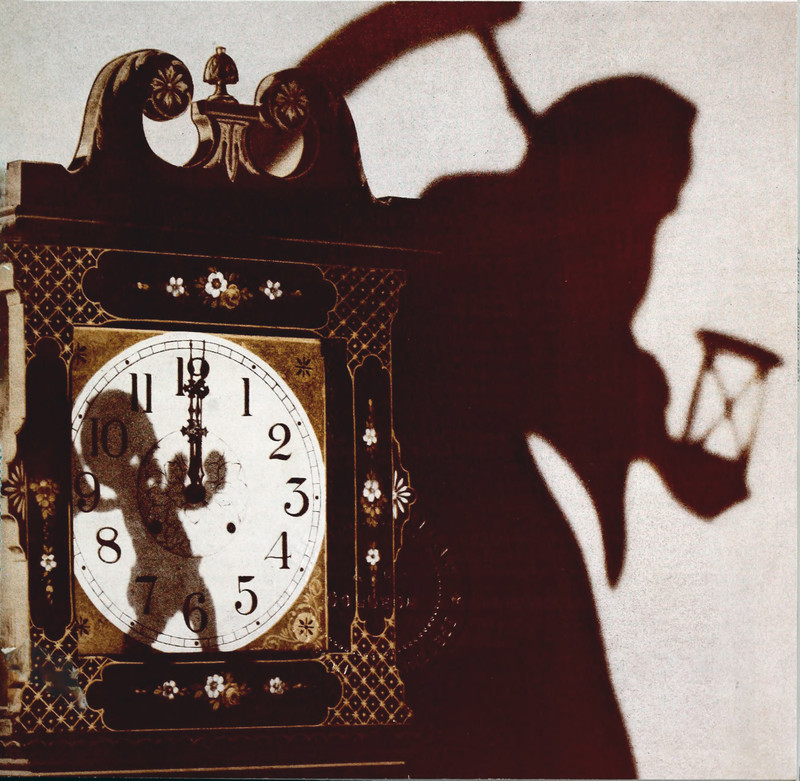
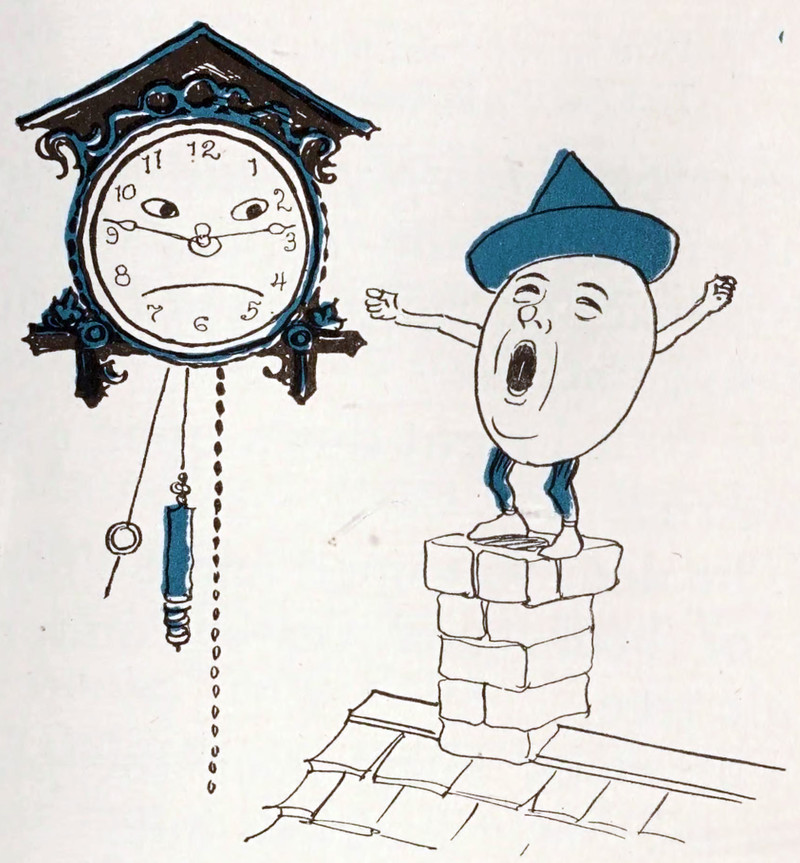
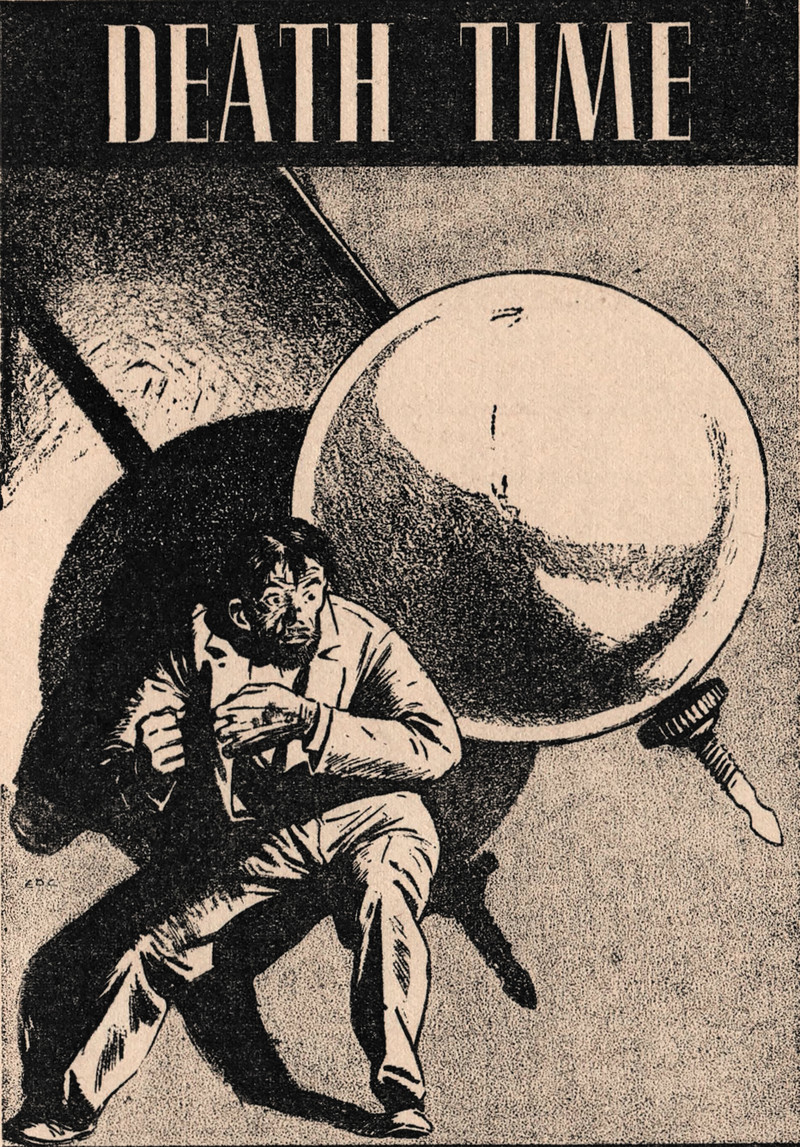
Though it's commonly suspected that Humpty Dumpty was pushed, he could have been accidentally tapped by the pendulum of a clock. From The Roly-Poly Book by Laura Rountree Smith, 1923.
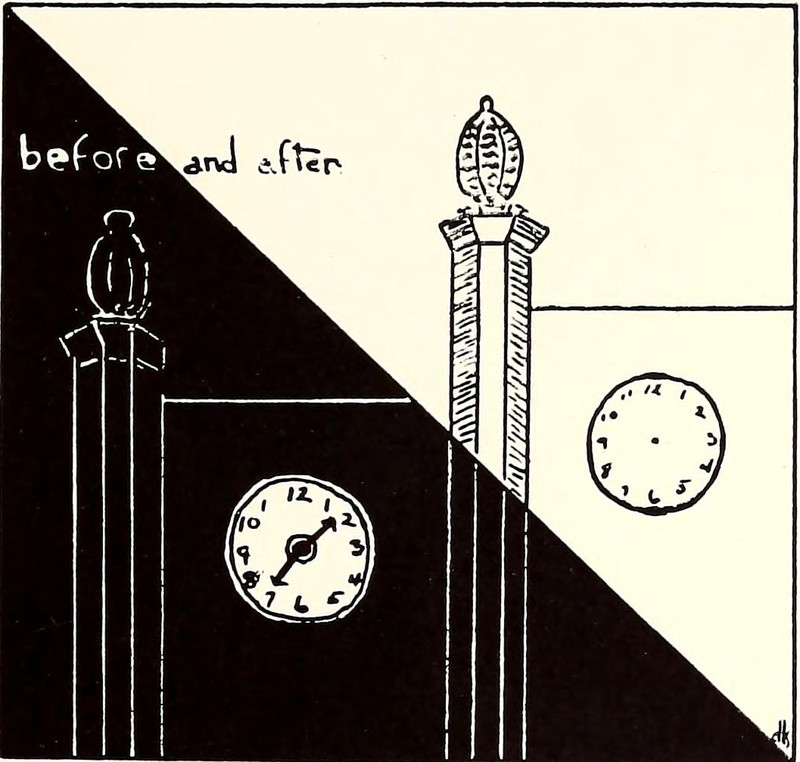
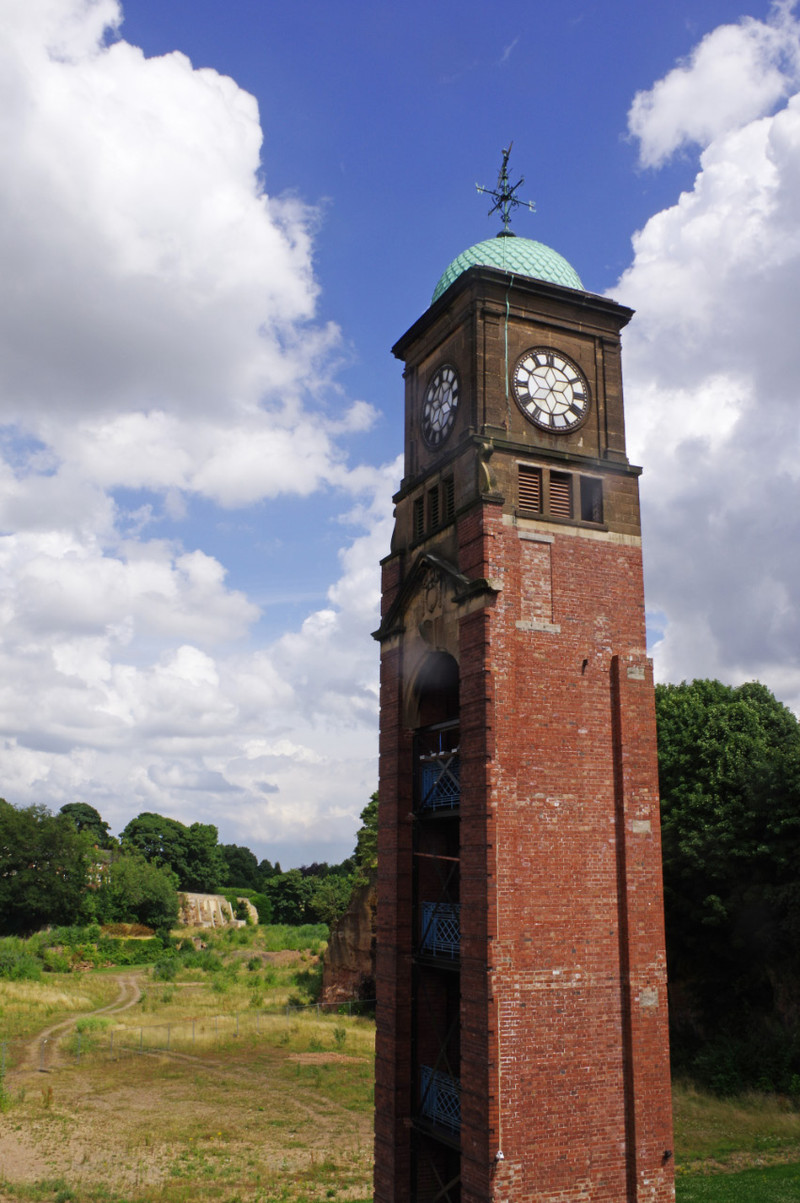
Because timelessness is defined as zero succession and infinite simultaneity, clock towers without clock hands are paragons of timelessness. This handless clock tower near Mansfield, England was documented byStephen McKay.
An asterisk of time? It's a phenomenon! This one is yellowish, but there's a black asterisk of time, too: "In the black asterisk of time that I did not remember until now, right now" (Stephanie Gangi, The Next: A Novel). Photo courtesy of temporal anomaly investigator Neil Hester.
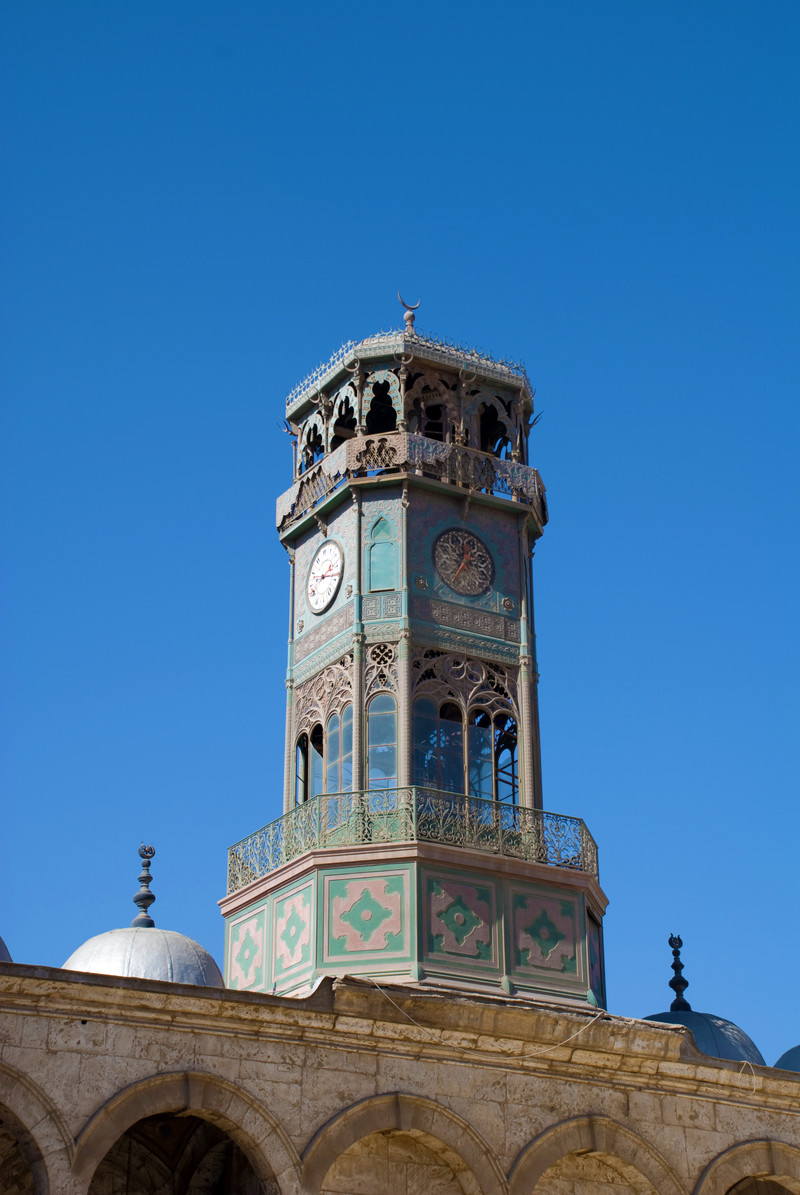
Temporal anomaly investigator Norman Walsh shares these mismatching clock faces in Cairo, Egypt. We've not yet explored the tower and its environs to pinpoint the cause of the weirdness.
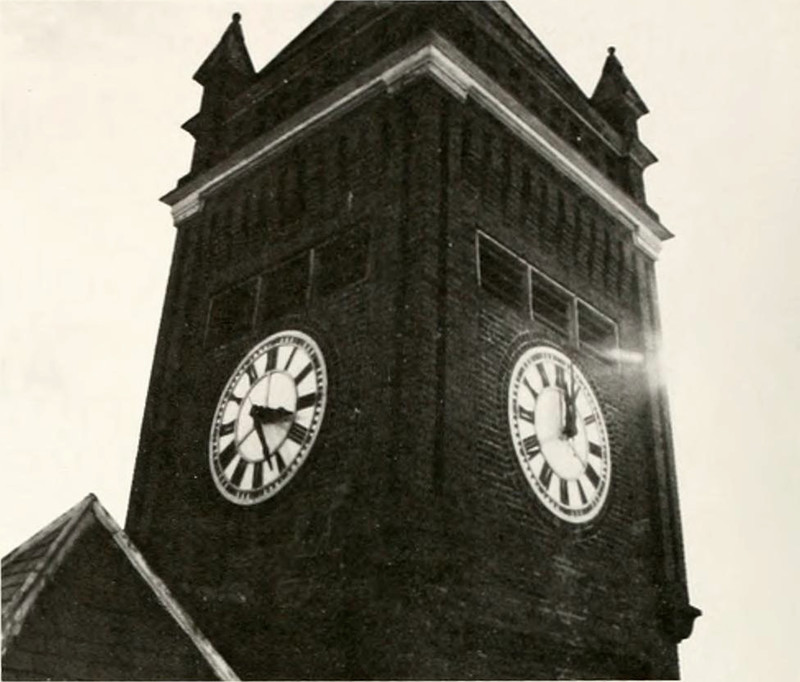
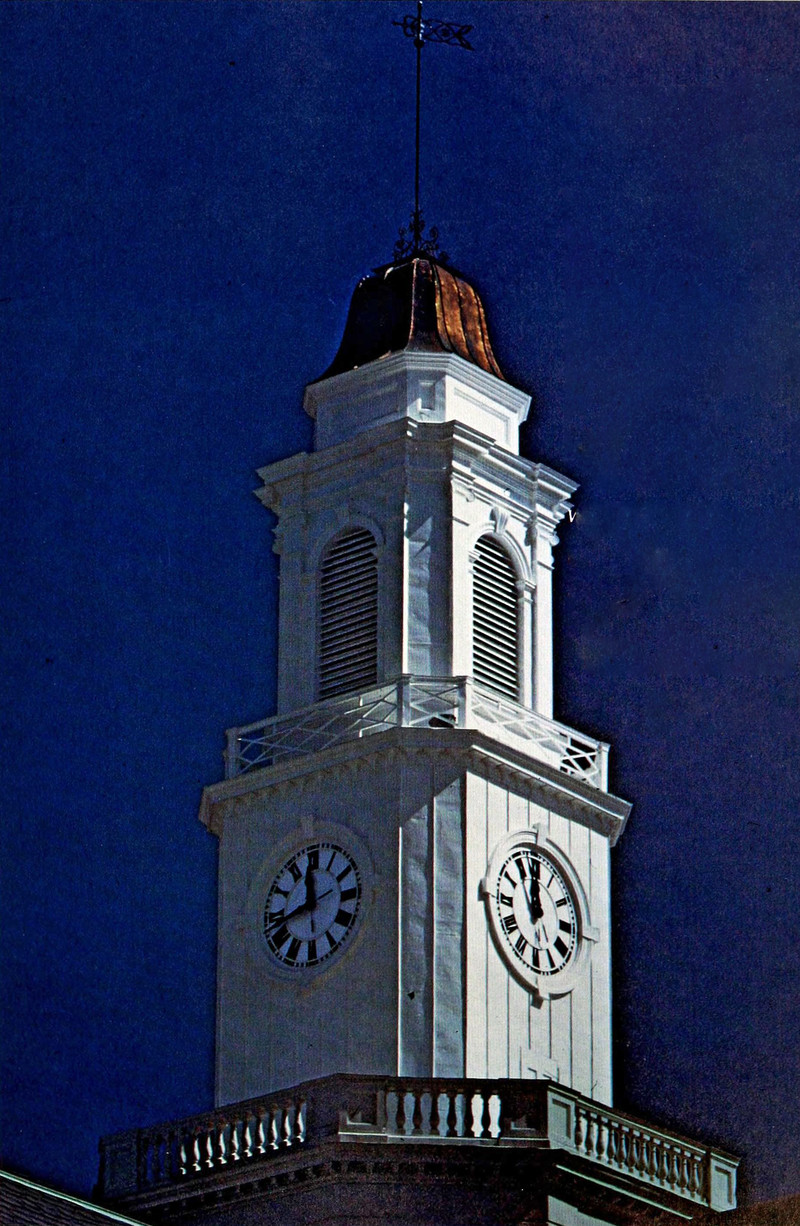
We spotted this temporal anomaly in Eastern Kentucky's 1974 yearbook. One clock on the tower is seventeen minutes earlier than the other. "One face looks backward to the past; the other looks forward to the future. To be identified with either face is to be captive in stone, victim of fixed laws and fixed authorities" (Marion Woodman, 1982).
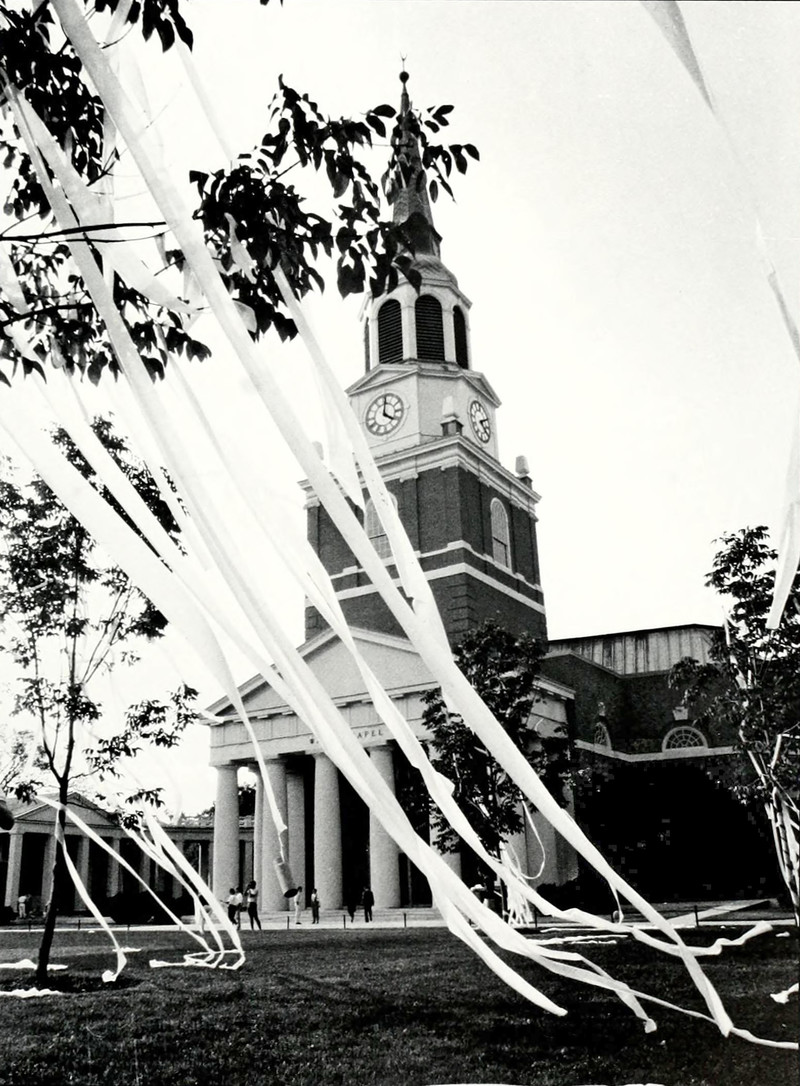
The clock faces are ten minutes in disgreement in this temporal anomaly documented by Wake Forest's 1991 yearbook. We tend to blame the toilet paper for causing a disturbance in the fabric of space/time. Mark Anderson has asked, "Is architecture toilet paper or timeless art?" The clock faces seem to answer that question: timeless.