CRAIG CONLEY (Prof. Oddfellow) is recognized by Encarta as “America’s most creative and diligent scholar of letters, words and punctuation.” He has been called a “language fanatic” by Page Six gossip columnist Cindy Adams, a “cult hero” by Publisher’s Weekly, a “monk for the modern age” by George Parker, and “a true Renaissance man of the modern era, diving headfirst into comprehensive, open-minded study of realms obscured or merely obscure” by Clint Marsh. An eccentric scholar, Conley’s ideas are often decades ahead of their time. He invented the concept of the “virtual pet” in 1980, fifteen years before the debut of the popular “Tamagotchi” in Japan. His virtual pet, actually a rare flower, still thrives and has reached an incomprehensible size. Conley’s website is OneLetterWords.com.
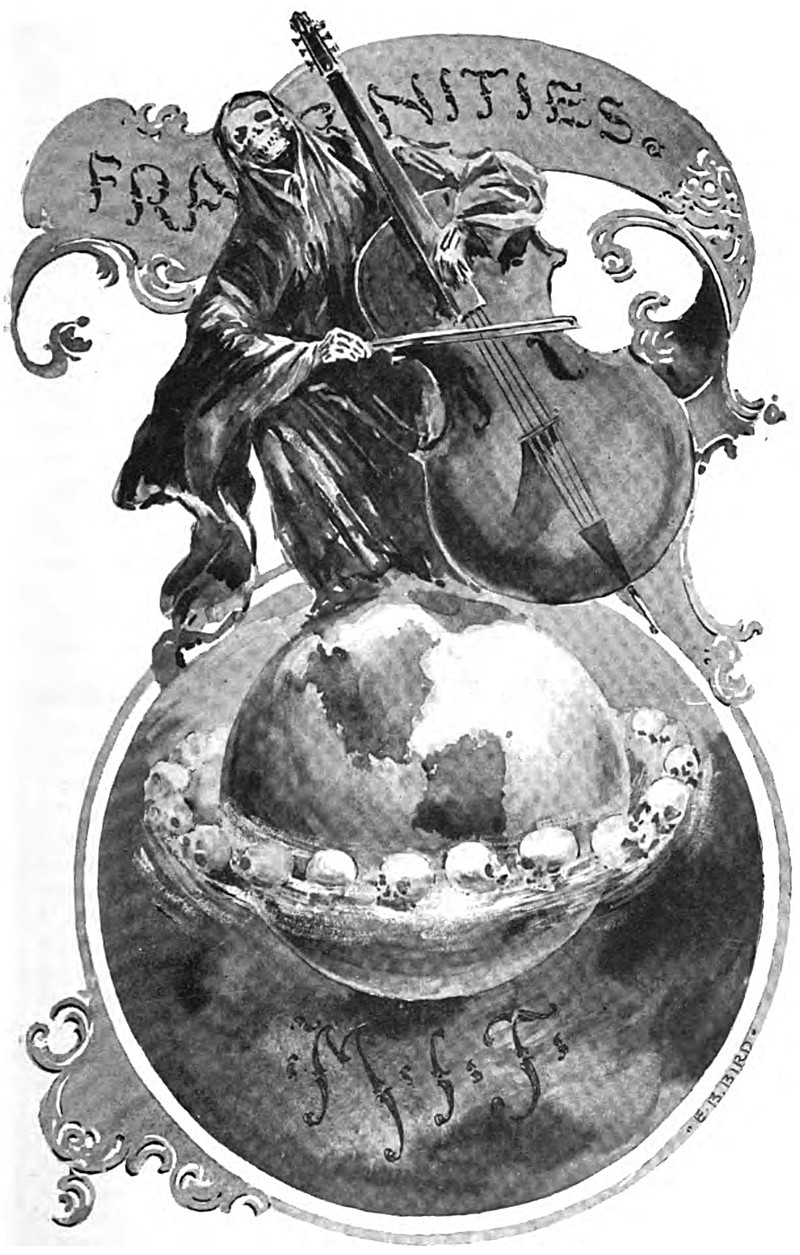
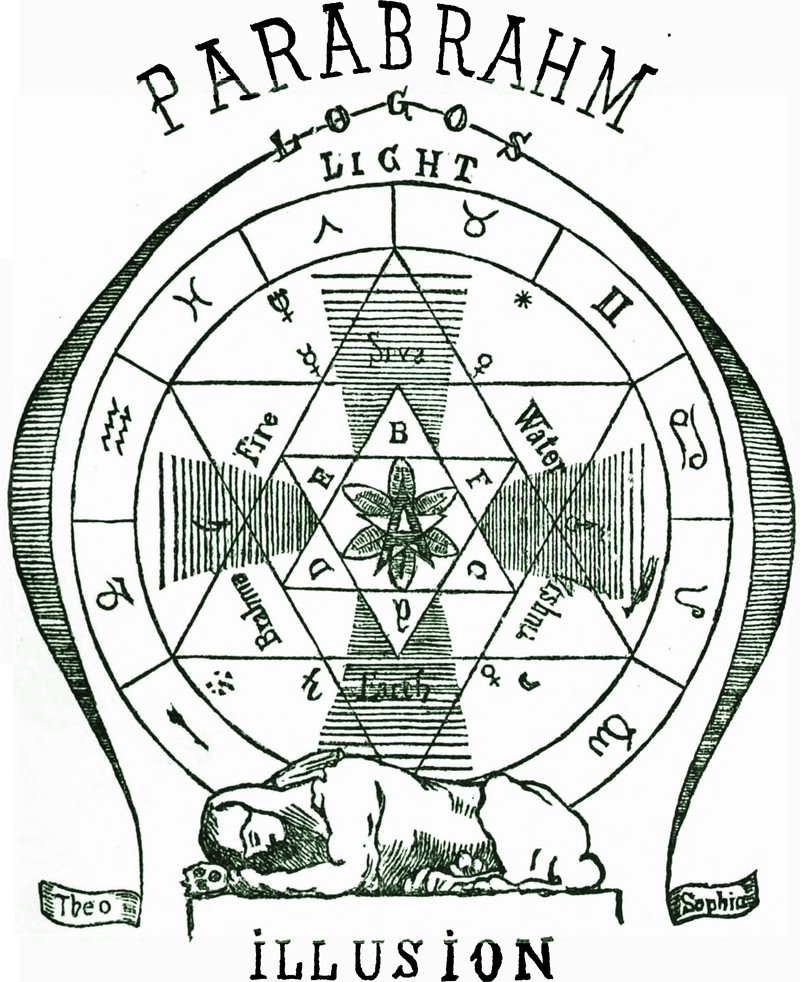
From the Technique yearbook of the Massachusetts Institute of Technology, 1895. (For some unbelievably weird yearbook imagery, see our How to Hoodoo Hack a Yearbook.)
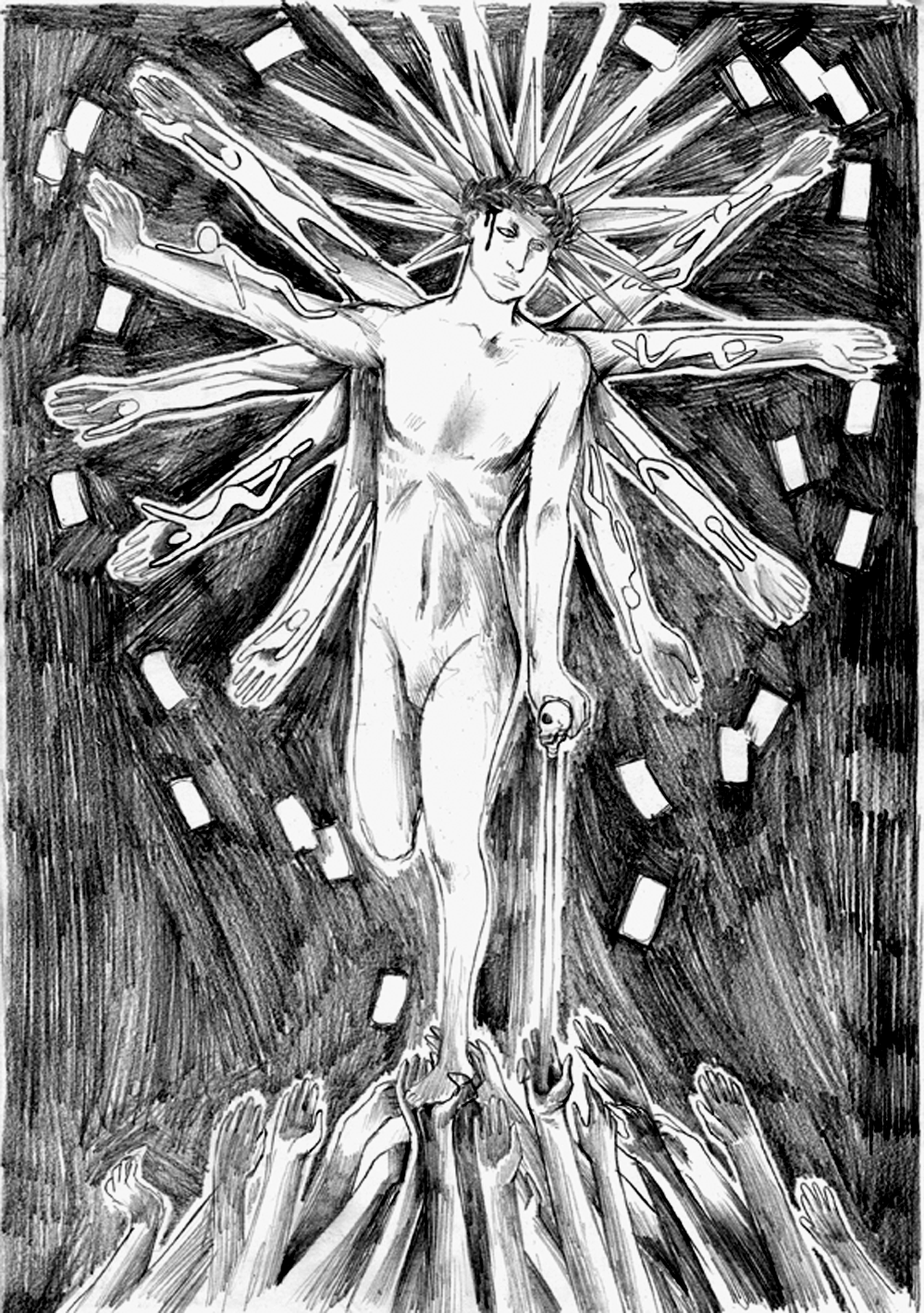
We're honored and astonished that one of our books has been described as engendering the Magician archetype and allowing the reader to touch the face of God. (No kidding!) From "The Magician" chapter of Naked Tarot(coming this autumn):
In the laboratory of life, experimenting with words and meaning can yield incredible insights. My friend Craig Conley, who wrote the Foreword for this book, is someone I consider a modern Magician. I mean, the guy is awesomesauce. Not only is he the smartest person I know, he’s light years ahead of most people in terms of creativity. (Don’t believe me? Go to Amazon.com and put his name in the Search field. His books are just mind-blowing in their inventiveness.) One of those books is The Young Wizard's Hexopedia: A Guide to Magical Words and Phrases. I guarantee if you get that book, and experiment with the exercises, you’ll be as close to the Magician archetype you could possibly get. Who knows? You may even touch the face of God…or rearrange it altogether in a Cubist image of your liking.
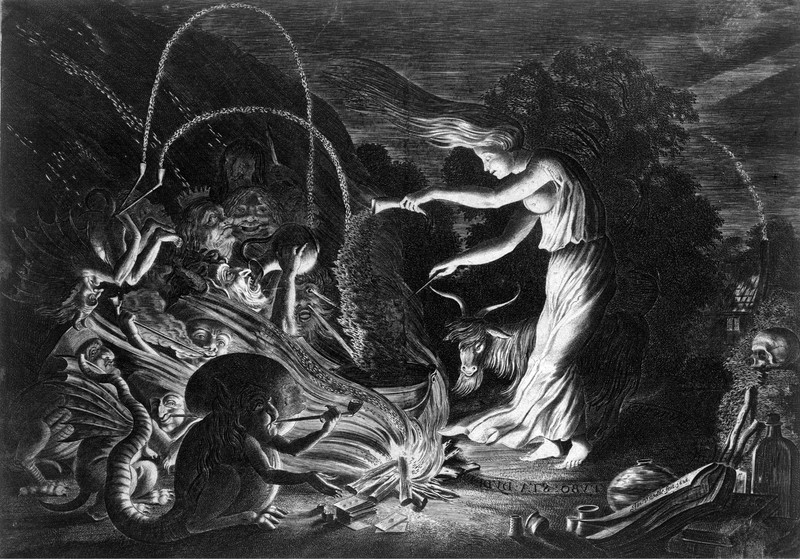
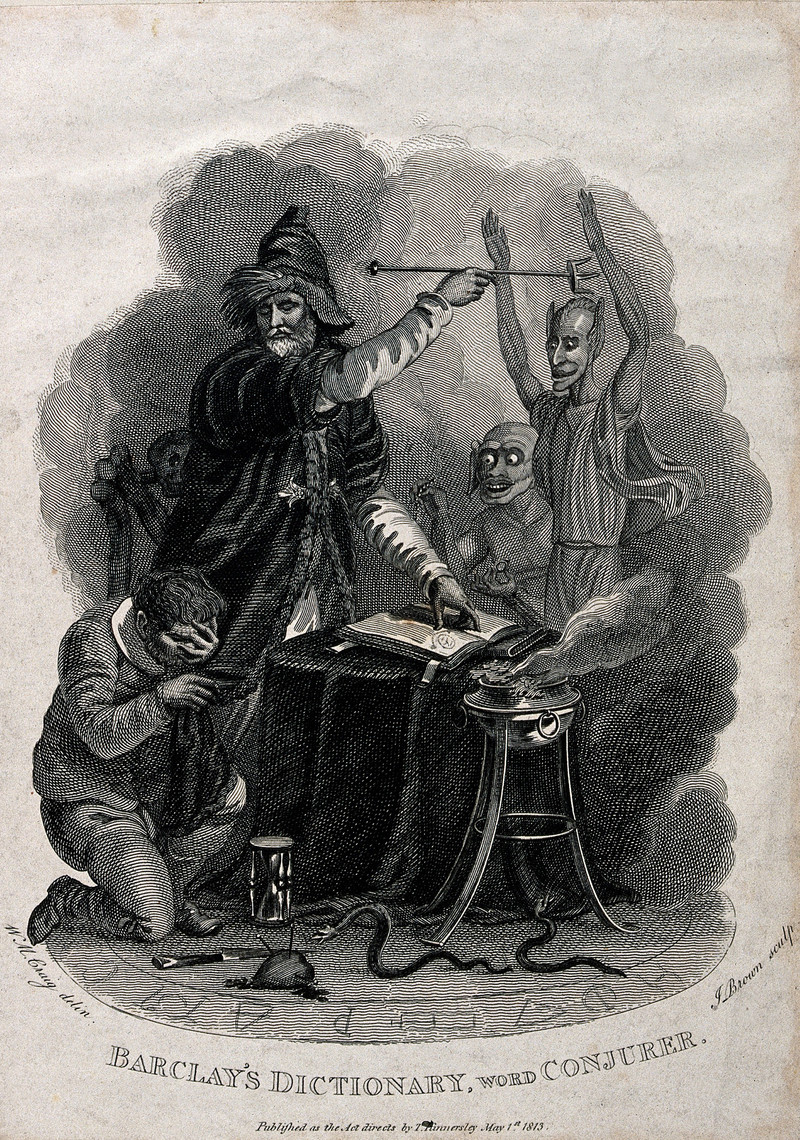
A "word conjurer" wizard casting spells from his magic circle by the light of his cauldron surrounded by creatures. Engraving by I. Wood, 1813, courtesy of the Wellcome library.Also very much of interest:The Young Wizard's Hexopedia.
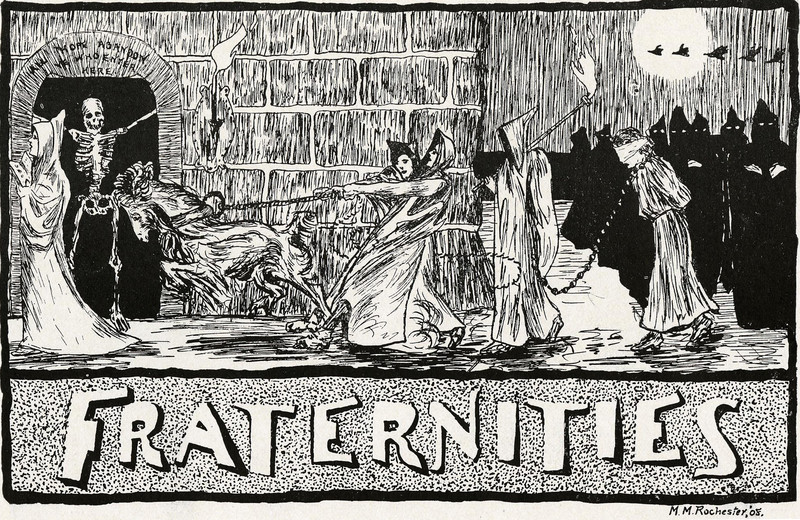
From the Technique yearbook of the Massachusetts Institute of Technology, 1895. (For some unbelievably weird yearbook imagery, see our How to Hoodoo Hack a Yearbook.)
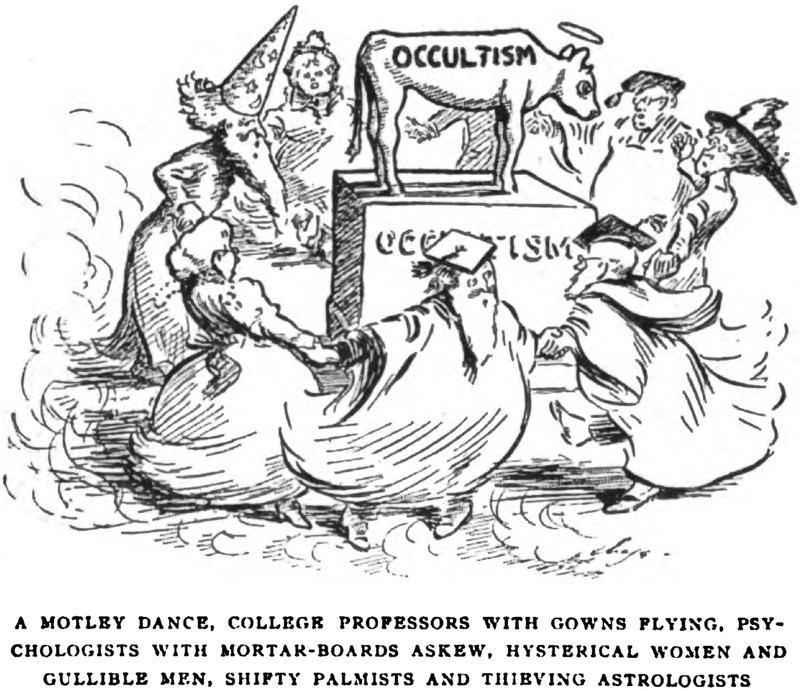
"A motley dance, college professors with gowns flying, psychologists with mortar-boards askew, hysterical women and gullible men, shifty palmists and thieving astrologists." From Pearson's, 1908.
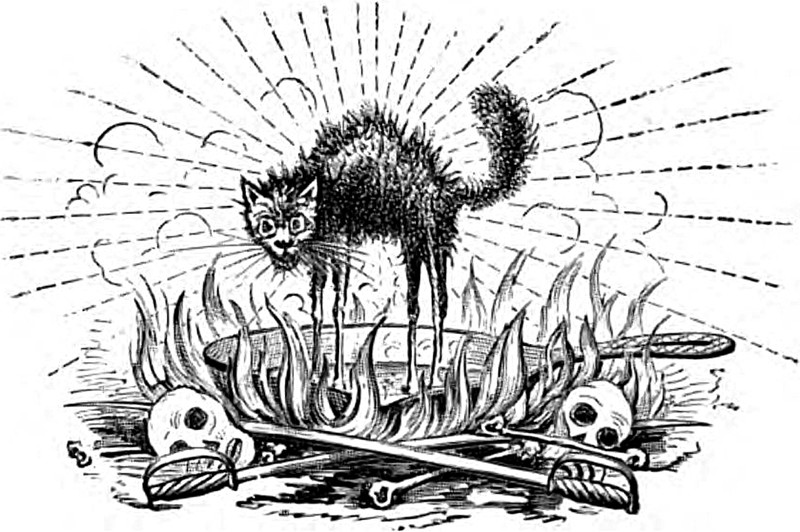
From the Technique yearbook of the Massachusetts Institute of Technology, 1895. (For some unbelievably weird yearbook imagery, see our How to Hoodoo Hack a Yearbook.)This should also be of interest:How to Be Your Own Cat.
Here's a surprising bit of occultism in the world of Big Science. We daren't ask why, but scientists pointed a tadpole's head at a plant to see if it would encourage growth. And it did. The so-called scientific explanation was that invisible radiations from the tadpole's head made it happen. (We aren't making this up.) What's hilarious is that Big Science's explanation is along the lines of what Big Magic thinks is going on. And so this item goes in our very, very slim file of articles in Popular Mechanics that we actually believe. From 1931.