Go Out in a Blaze of Glory |

 |
|
|
 |
 |
 |
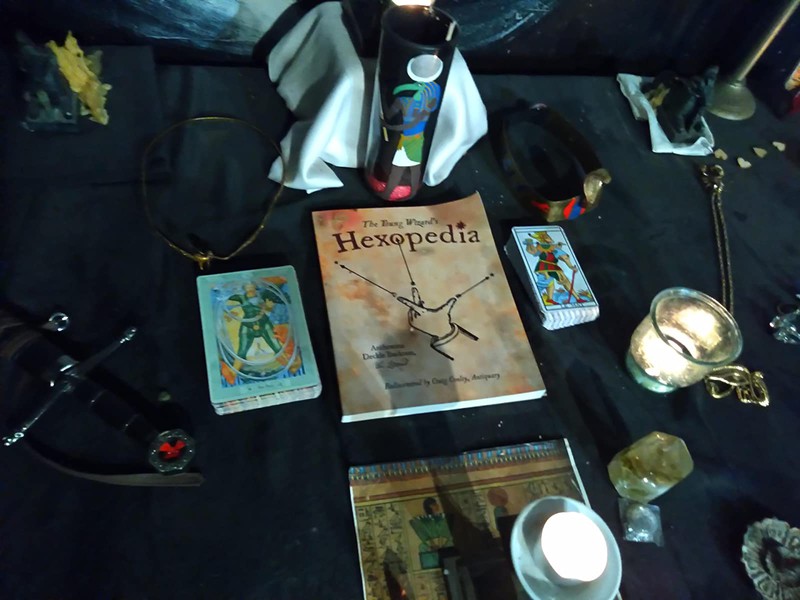
5 stars. Another excellent offering from one of the giants of Magick & Mysticism writing in English today, Professor Oddfellow, brings us a humorous and yet wise and tempered practical guide to Sorcery both ancient and modern and fresh! As always, the Good Professor reaches back in time to make the Wisdom of the Ages accessible to modern readers in a way unique and yet as American as a Mark Twain short story. That isn't to say that an individual from anywhere else in the world wouldn't understand or like this fine book, but to say there is a breezy, almost casual style with which our Sage Professor takes complex ideas and practices and makes them easy for the layman or Neophyte to grasp. Professor Oddfellow has outlined here a neat system of Magick and Mystical thought that could stand alone, or be added to the accomplished Wizard's repertoire for a Greater understanding of The Hidden Mysteries of Life and also the complexities of the English Language, which the Good Professor uses with a graceful ease that soothes and awes the reader. So, whether you are a Neophyte, yet to enter the Ancient Halls of Knowledge, a seasoned Magi ready to add to your vast understanding of the intricacies of the Universe, or just a man amongst men (or woman among women, or just a person among people, as thou wilt) the book will thrill you with interesting excercises, wow you with new perspectives, and keep you coming back for more! So, three cheers for The Good Professor and his Book of Wizardry, Wonders, and Wise Words! —Holy Mountaineer
|

 |
|
|
 |
 |
 |
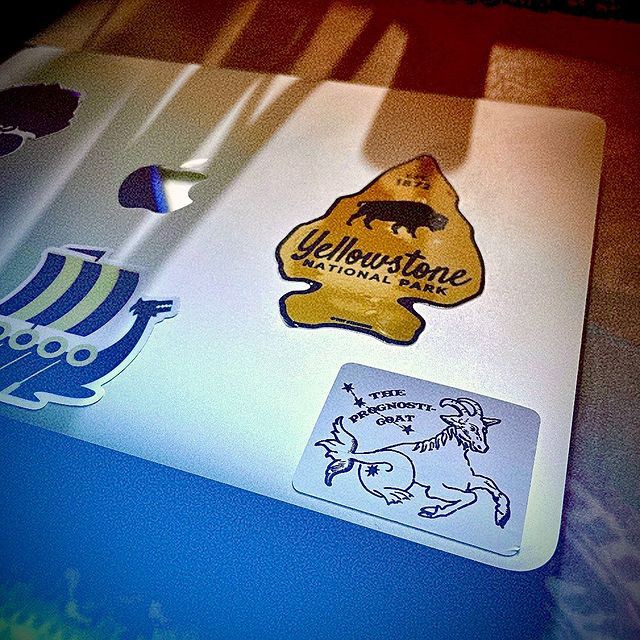
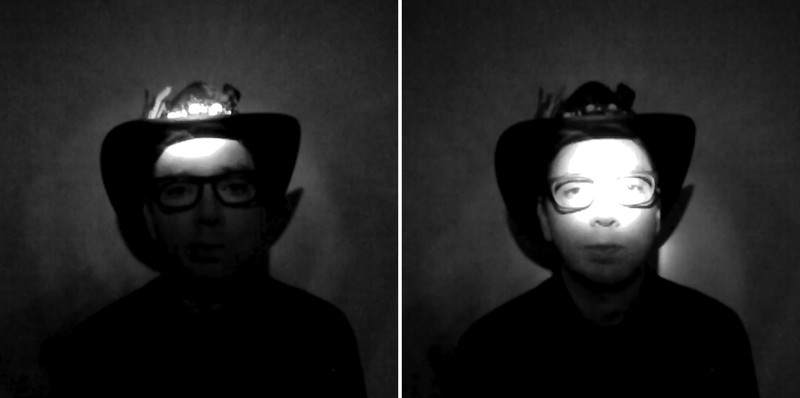
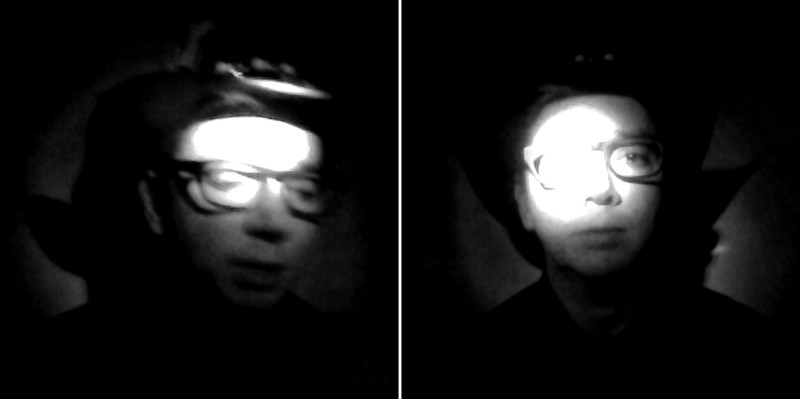
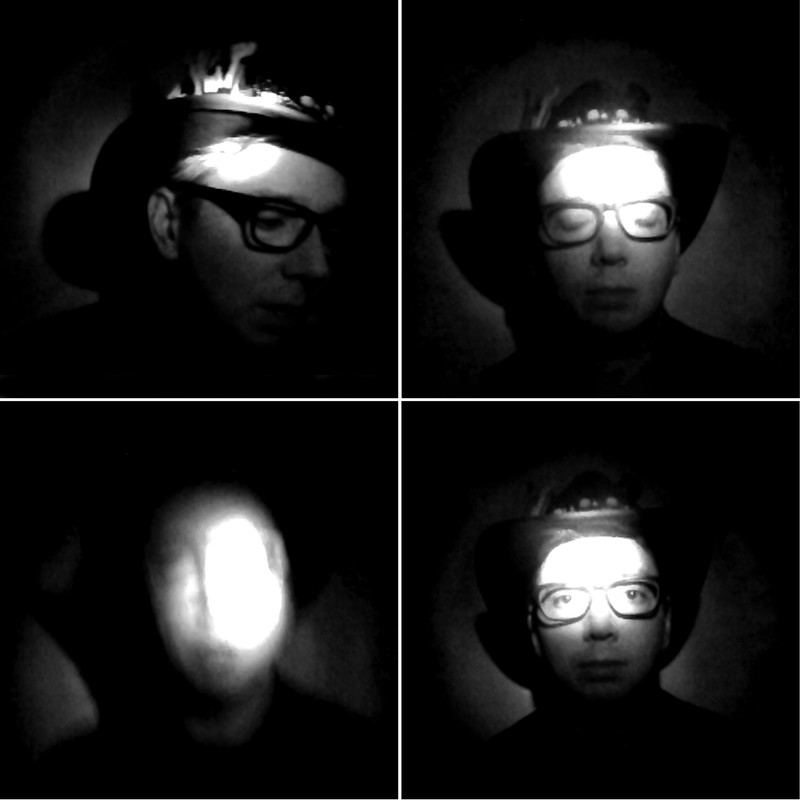
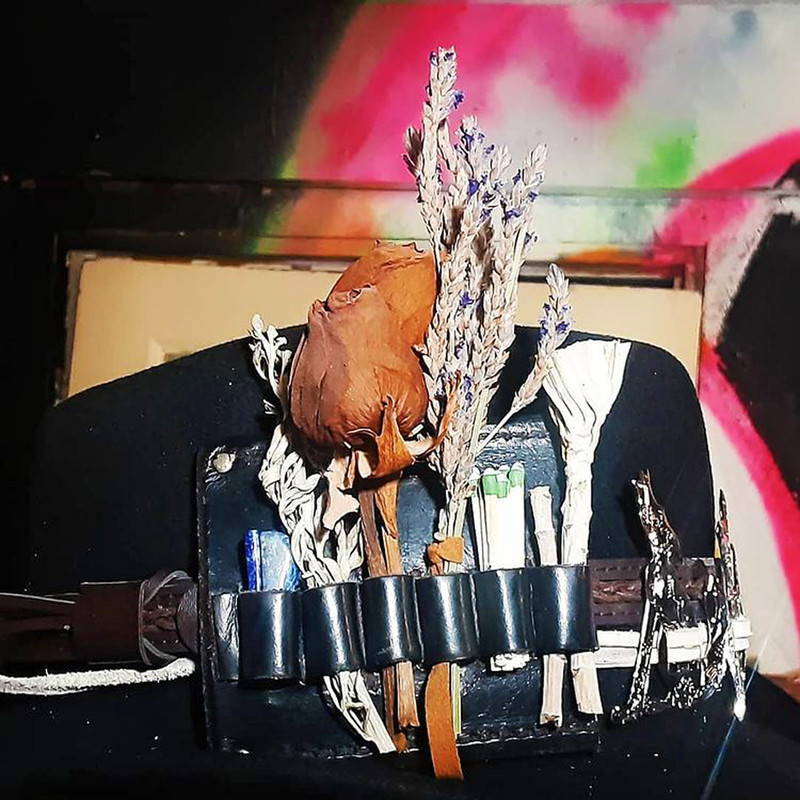
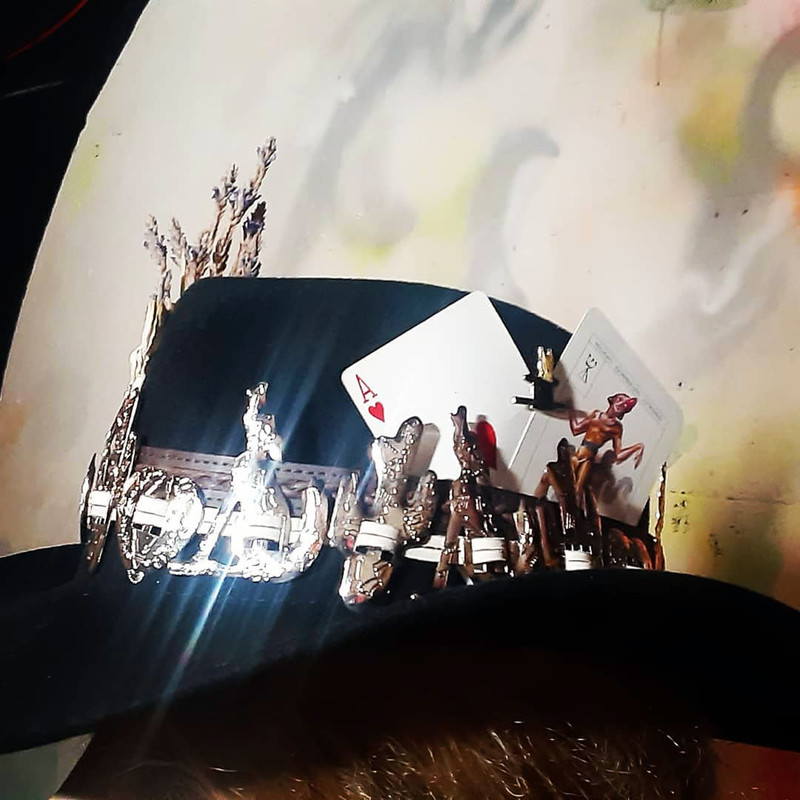
Delightful to see our The Young Wizard's Hexopedia in the mirror world, under the light of a fireball, courtesy of the Holy Mountaineer, who says: " In which the protagonist burns away certain impurities, including the hair on his right hand, in celebration of the Great Work of one Professor Oddfellow, famous Sorcerer, Electronic Musician, Expounder of Ancient Mysticism, and Wise Sage to the Lawless, Wild Interweb."
|


 |
|
|
 |
 |
 |
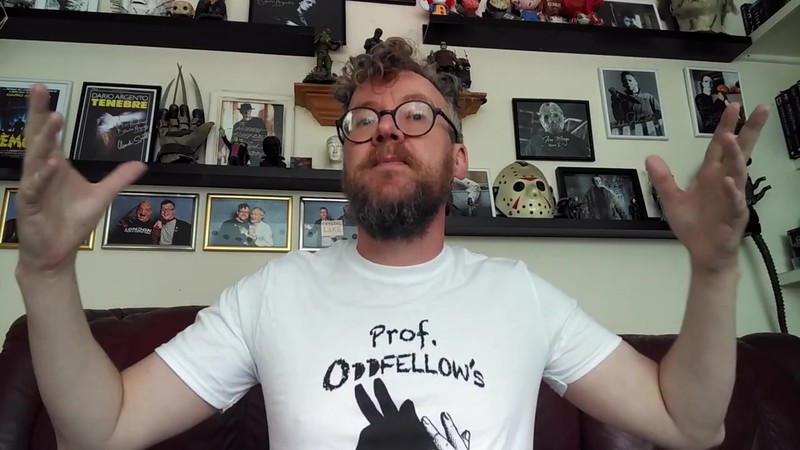
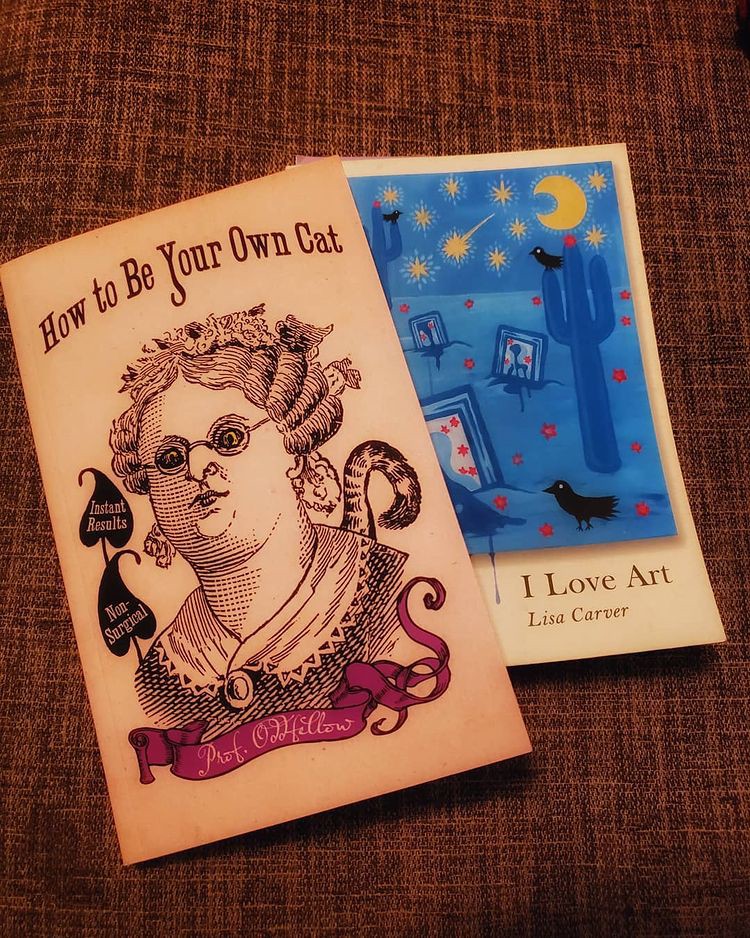
All the while, I presumed every reference was strictly 'pataphysical. I could verify the existence of Gary Barwin and his works first-hand, but surely tomes such as the one-letter-words dictionary, How To Be Your Own Cat, the Hexopedia, et al, were to be found only in the so-called imaginal realms (as if this ain't one). Was I ever staggered to find you've actually materialized such marvels! (Which is perhaps the most 'pataphysical aspect of all.) You know, I would have been grateful for your recent kind words about my own video no matter what, but in context of discovering your work I could not be more honoured. I am going to have a blast exploring your vibrant, distinctive, and superbly fun creations.
Don't miss Mr. Venright's deadpan video, in which he shares his 117 steps to instant gratification. It's a total scream.
|

 |
|
|
 |
 |
 |
How to attain glory by tracing the devolution of a squiggle through the centuries. Yes, we landed the cover of Oxford University Press' On Essays.
|

 |
|
|
 |
 |
 |
Hidden Symbols, Come To Find One Another In The Dark
Five Stars. "Amazing as always, the inimitable Professor Oddfellow's tireless research and enthralling delivery has brought us a Goetic Work unlike any before it! The good Professor's comparisons of traditional Yoruban (and other African diaspora) Vévés and sigils that comprise what is in the West known as Voodoo or, more properly Vodou, but also encskeleton key of solomonompasses many Yoruba faiths like the more widely known Santeria, to European Grimoire traditions, such as the Lesser and Greater Keys of Solomon and many lesser known tomes, is ambitious. Professor Oddfellow simply compares and contrasts, he makes no feeble attempts to justify or negate anything or anyone. The ending of the book simply asks us to consider that perhaps rather than being influenced by one or the other that we all have access to a Universal technology that accesses Worlds and Intelligences far beyond our mundane world. With such a Work that the Professor has undertaken herein, there could be any number of failures and assumptions, which he avoids with tact and grace, leaving us with beautiful questions and the imagery of disparate cultures, both reaching in the dark for a Light." —Holy Mountaineer
|


 |
|
|
 |
 |
 |
"You sir have awoken something in me that has been collecting dust for quite some time now. In a sense, an encounter with bad luck had me concluding that life was too busy for art. Thank you for shining a light far enough for me to find a source of my own. I shall repay the favor and pass it on with each chance that presents itself." --Joshua Batie
|


 |
|
|
 |
 |
 |
5 STARS. If there's anything more wearying than listening to people prattle on about their diets it's listening to them do so while in the thrall of whoever the most famous nutritional guru of the moment happens to be. Such individuals (and there are legions of them) tend to rhapsodize endlessly about the salubrious effects of his or her prescribed culinary regimen as though every last detail were sacred prophesy guaranteed to insure a state of physiological utopia to all unswerving adherents. Or maybe that's just me being a crank. I'm worn out by trying to evaluate 'expert' advice on every area of life and struggling to ascertain how many, *if any*, of the often conflicting recommendations I should follow. One might as well consult Nostradamus as to immerse oneself in the current iteration of The Received Wisdom vis-à-vis proper nutrition ... which is precisely what Craig Conley has done.
Although Nostradamus was a trained and licensed physician, I don't believe this book is intended to promote dietary advice from the 1500s. Instead, what it suggests to me is that universally applicable menu plans are more fanciful than factual because they tend to break down in practice. Thinking adults are better off combining their own common sense with some general research and then adding a secret ingredient: whimsy. Dining should be pleasurable. Even when health and weight concerns are a priority, meals need to provide more than calibrated sustenance. Planning and preparing them can actually be fun if we decide to take a Michel de Nostradamus/Craig Conley approach. 'Think outside the kitchen' and allow your inner chef to be inspired by history or mythology or perhaps a work of art.
A final comment regarding the illustration of Nostradamus Predicted Your Next Diet. Once again, Mr. Conley has outdone himself in providing a plethora of remarkable images to amplify and support his text. They alone are worth the price of the book, in my opinion. My favorite of them appears on the final page and it depicts a Charles Dana Gibson style lady, seemingly thrown into a swoon by the conundrum of how best to prepare her next meal. I can relate; can't we all? —Natasha K.
|

Page 6 of 22

> Older Entries...

Original Content Copyright © 2026 by Craig Conley. All rights reserved.
|