|
|
|
|
|
|
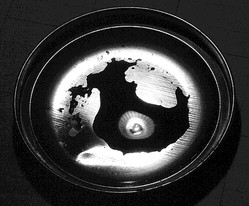
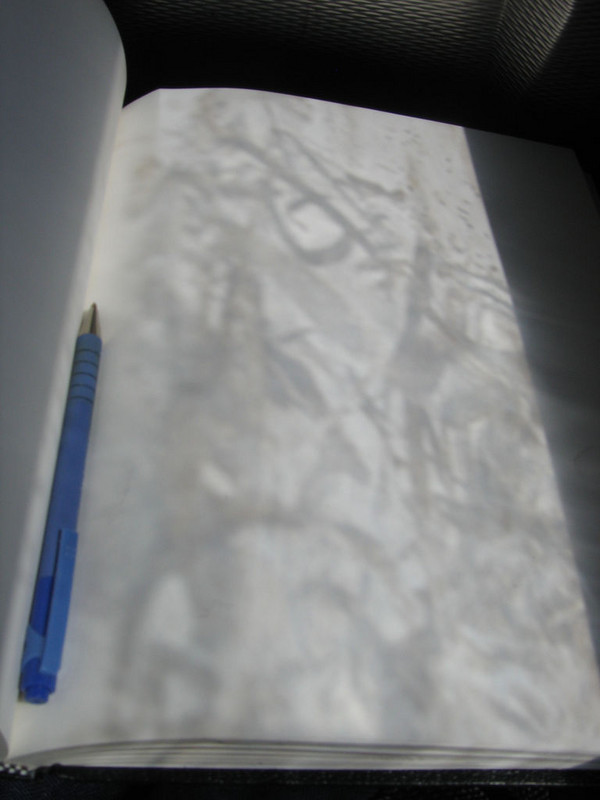
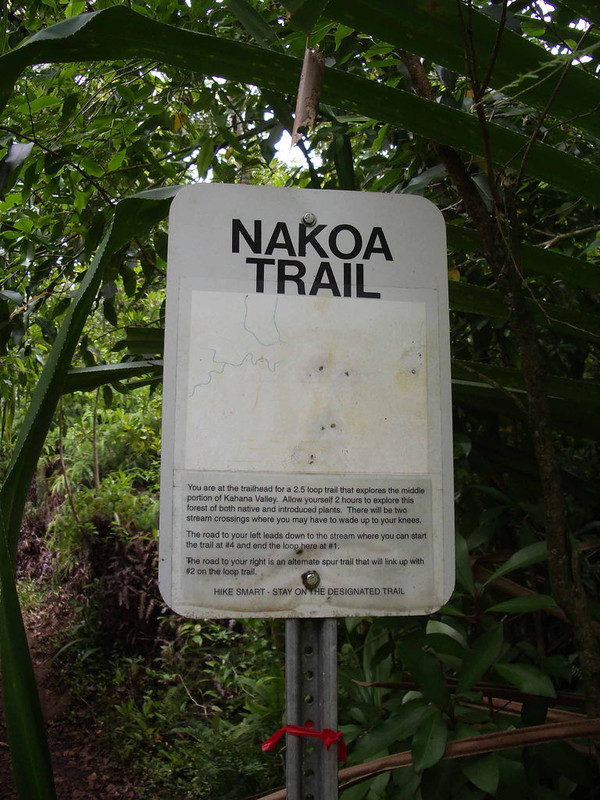
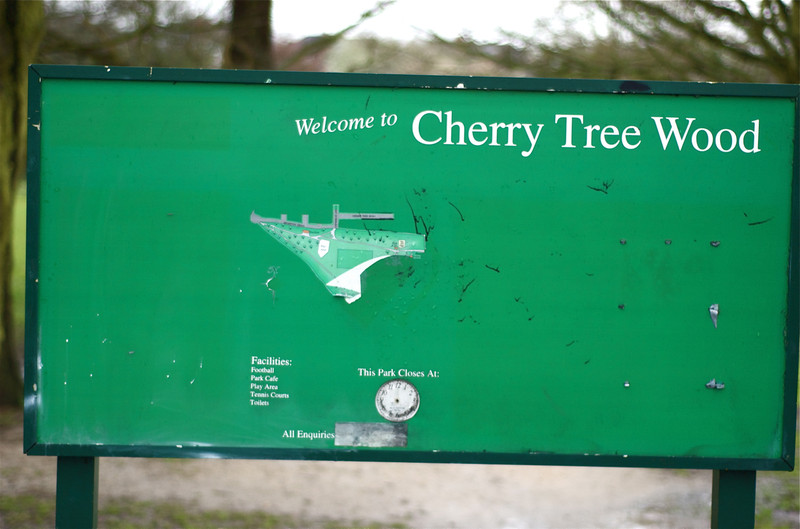
"Before making judgments which will affect the environment and other people, it is vital to reconstruct a map's 'missing essence.' The best way to do so is through imaginative map use." — Phillip Muehrcke & Juliana O. Muehrcke, Map Use (1998) Pictured is a "map's essence," photographed by Dorian Cavé. See full image here. |
|
|
|
|
|
|
"Why didn't you tell me in the map room there was a map missing?" — Gwyn Cready, Aching for Always (2010)

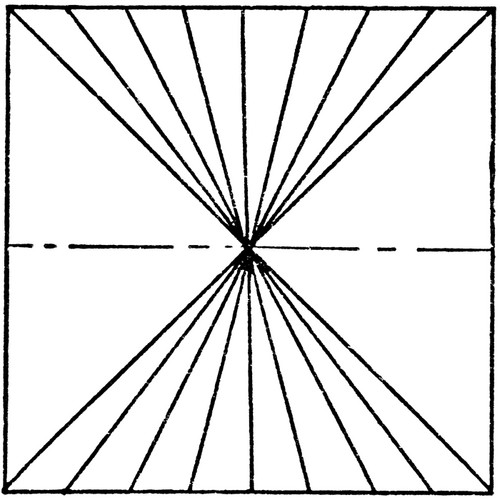
(This delightful snippet is scanned from Book Sales of 1895.)
|
|
|
|
|
|
|
The first page of the maps section in Polybius' Histories was intentionally left blank. (We approve!) |
|
|
|
|
|
|
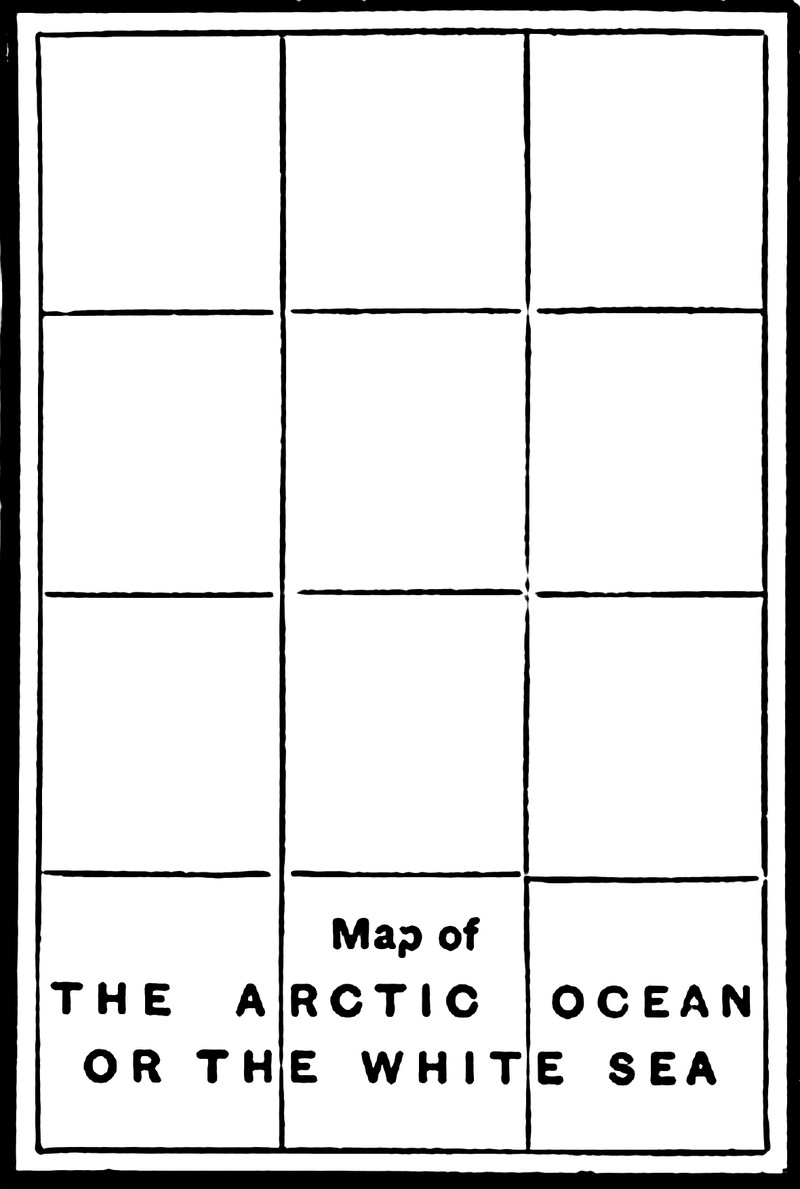
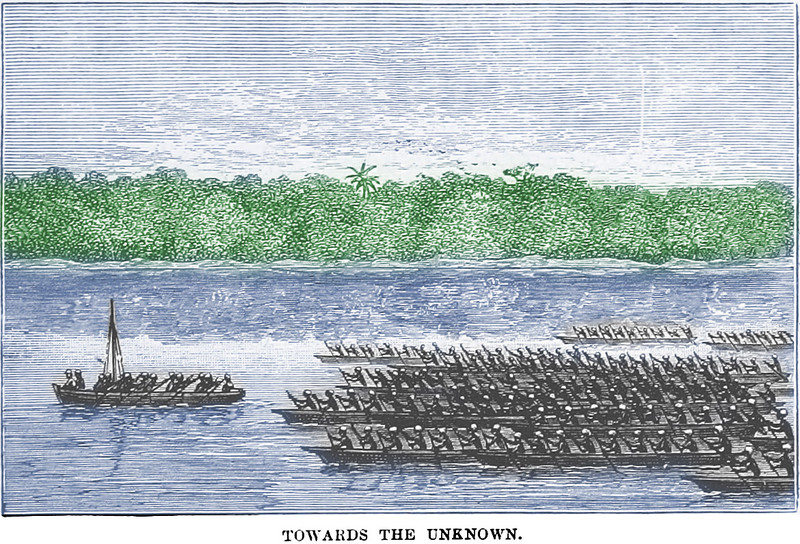
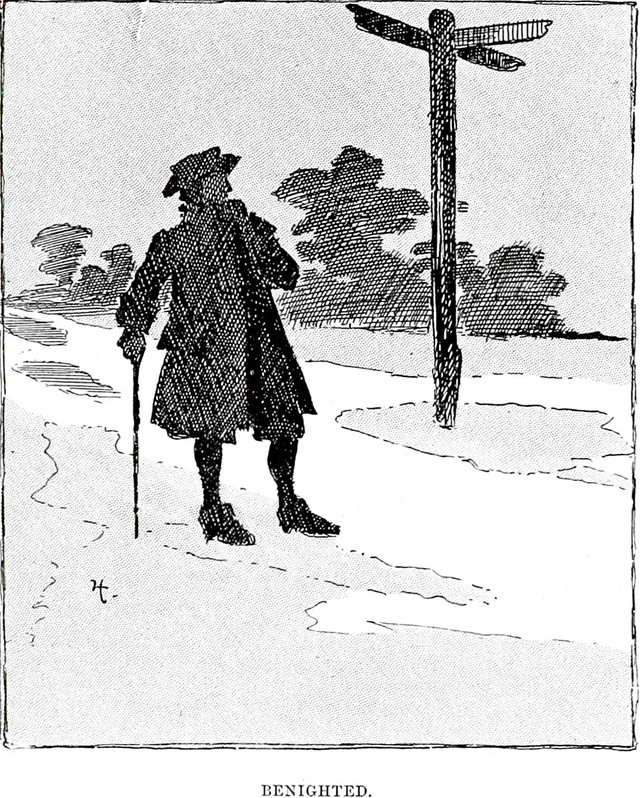
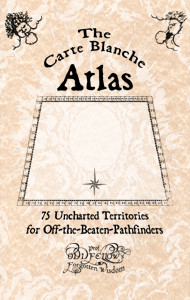
Thanks to the Wacky Web Sites blog, who covered our atlas of blank maps: According to webmaster Craig Conley, there are fundamental differences between a blank page and a blank map. A blank page is empty, whereas a blank map suggests space and orientation and is still designed by a cartographer. Conley takes this one step further, presenting blank maps suggested by history, folklore, or literature such as a landscape purified by snowfall, the unknown path Cleopatra must have taken after Actium, or what Babel looked like before it was built. |
Page 5 of 9
> Older Entries...
Original Content Copyright © 2026 by Craig Conley. All rights reserved.
|