|
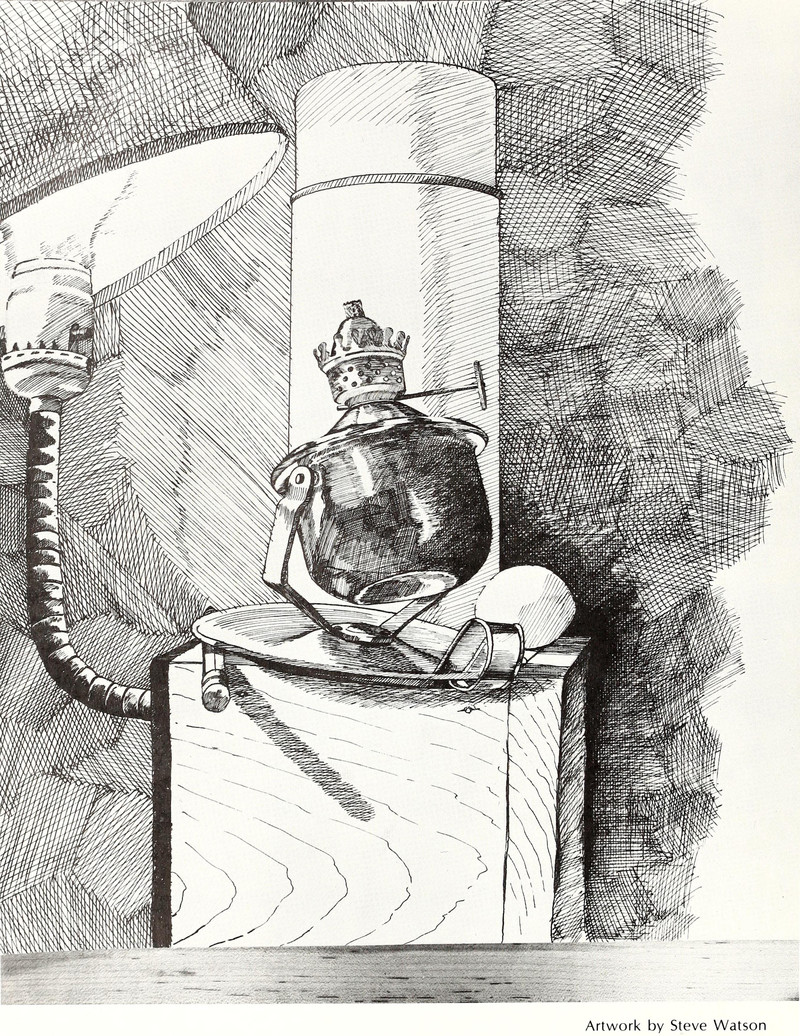
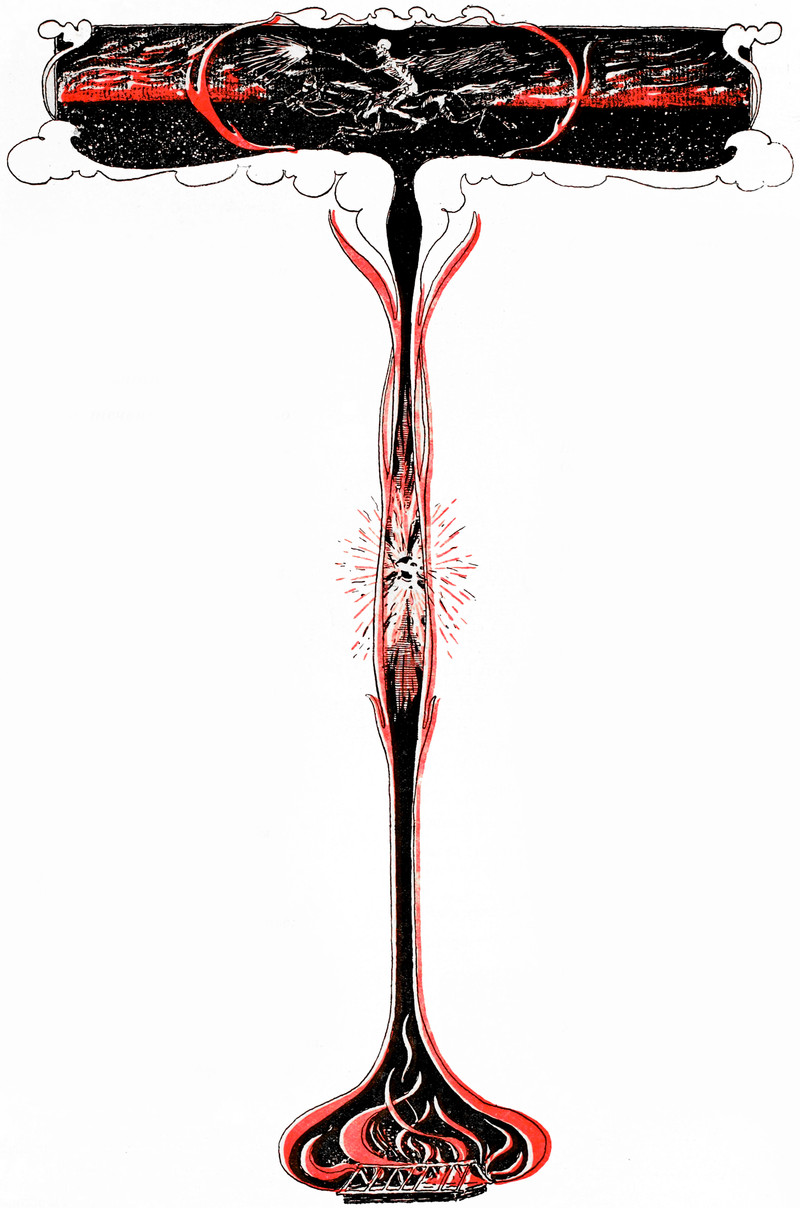
The final exam will take place in the cemetery, as we learn in the Book of the Dead that is Illinois State's 1972 yearbook. See How to Hoodoo Hack a Yearbook.
|
|
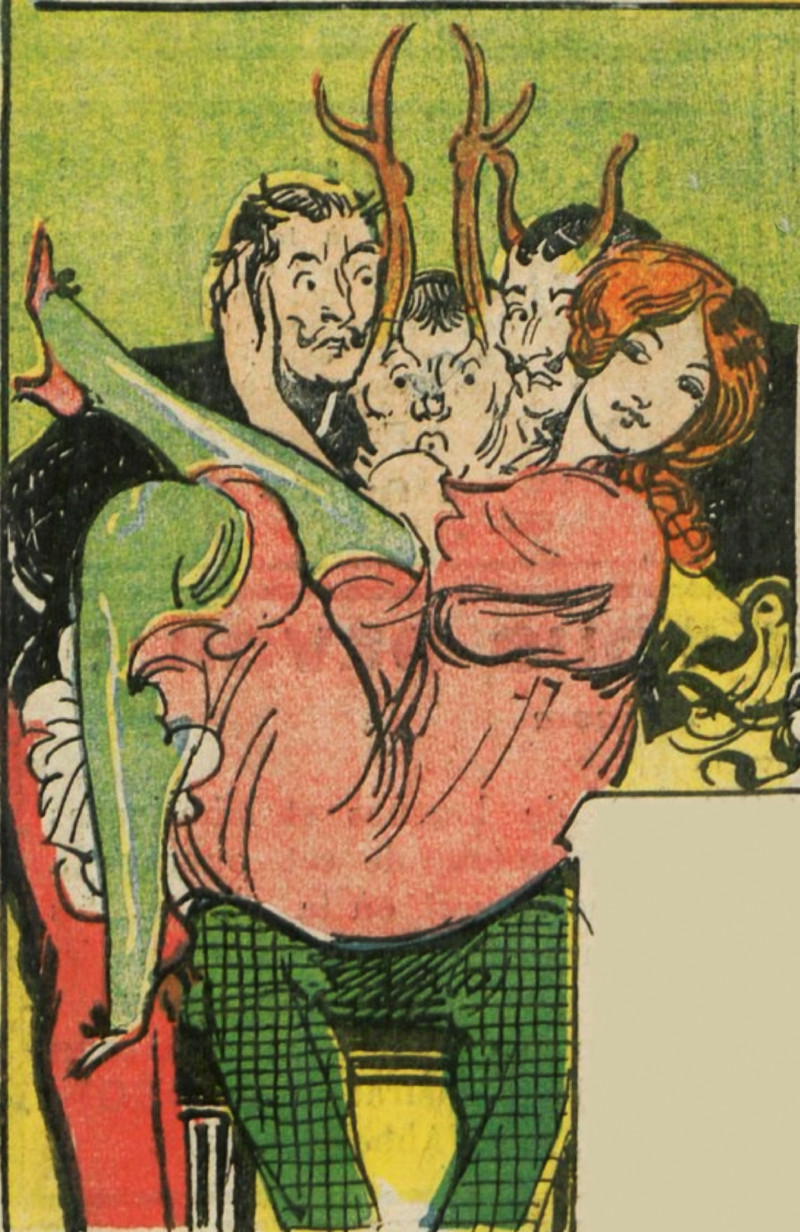
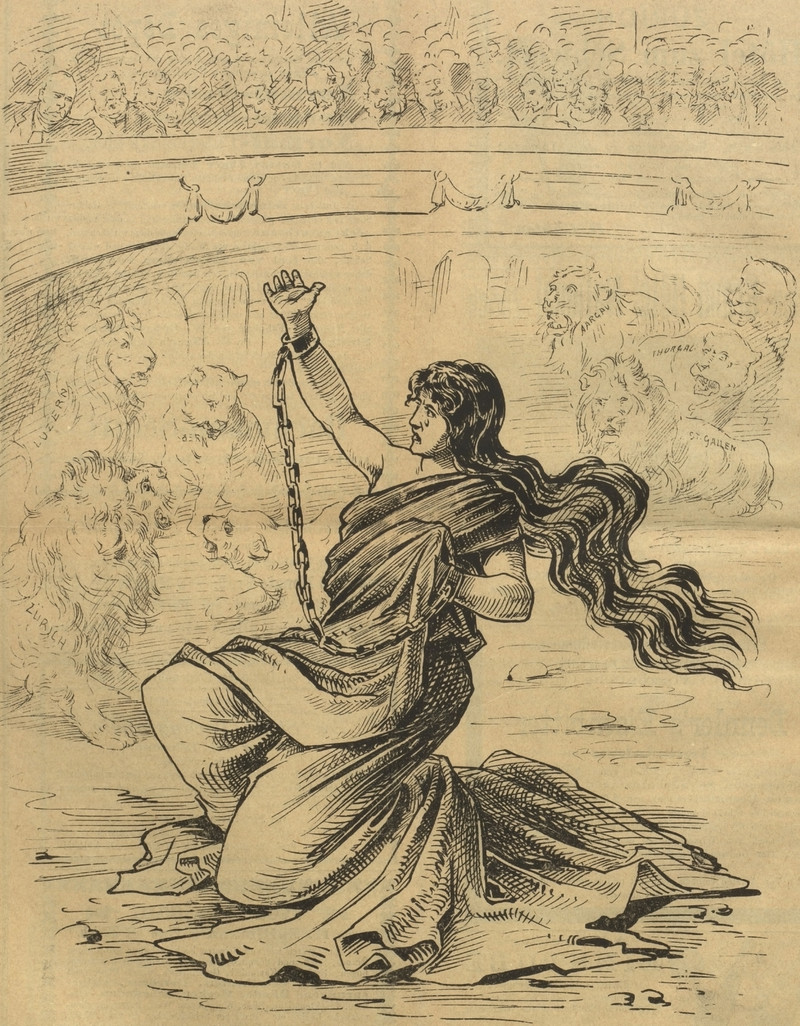
From Lustige Blätter, 1917.
|
|
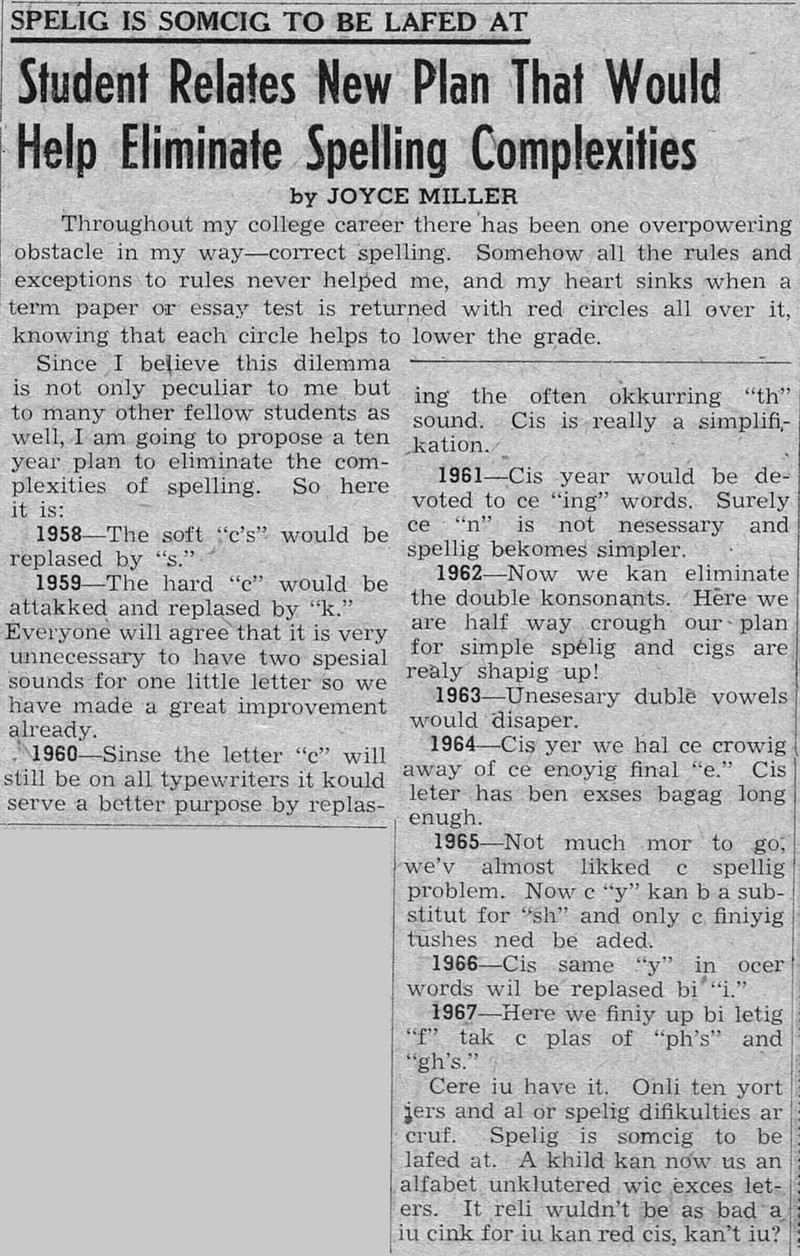
Here's a 10-year spelling simpliciation plan that never happened, and the article itself applies each new rule as it is described. From The Etownian, 1958.
|
|
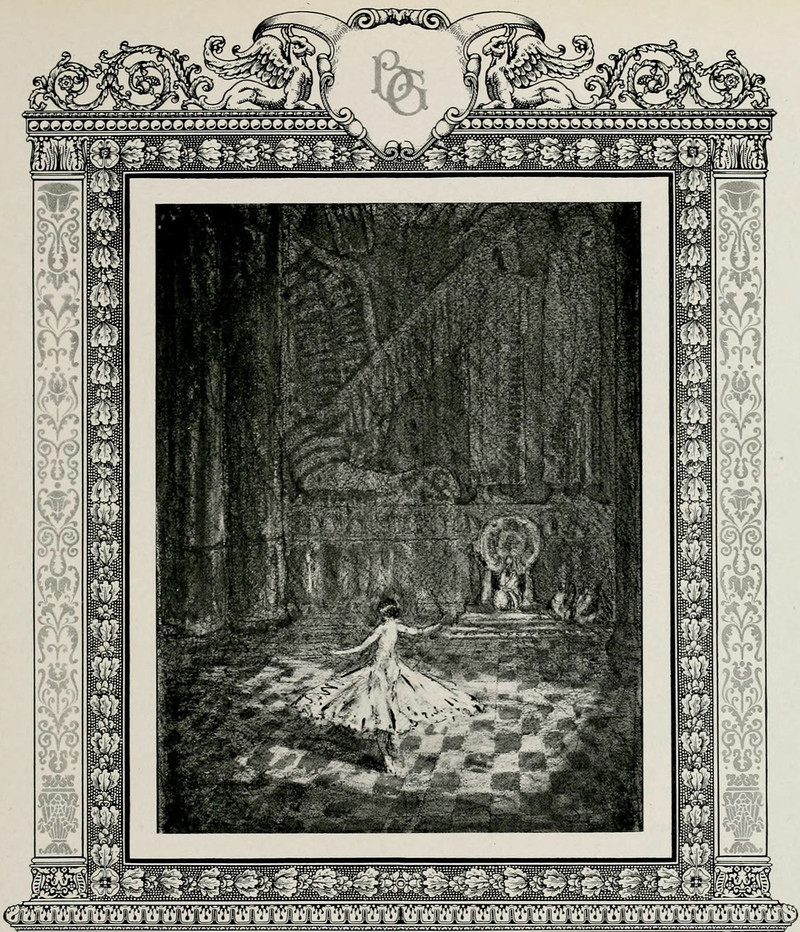
Twirling in a rather ominous temple. From the University of California's 1922 yearbook.
|
|
|
|
We're delighted that J. Keith Vincent called our One-Letter Words: A Dictionary a "chrestomathy" at a symposium about the Japanese author Edogawa Ranpo and whether or not a person could craft an entire narrative out of a single letter of the alphabet. " If Craig Conley could come up with thousands of meanings for the 26 letters of the alphabet, who’s to say how many stories might not be condensed into any one of those letters?" Here's how Vincent's paper begins:
I recently ran across a curious dictionary of nothing but one-letter words. The author of One-Letter Words: A Dictionary spent fifteen years compiling 275 pages of definitions of words consisting of only one letter. This is the dictionary, as one reviewer put it, for “anyone who has forgotten that Z was the Roman letter for 2000.” It also reminds us that “X” has no fewer than seventy meanings in addition to “10,” including everything from “wrong” (“batsu” in Japanese as well) to the place where one’s signature on a ballot should go, to a rating for an adult movie, a power of magnification and, of course, the symbol for a kiss.
I discovered this little alphabetical chrestomathy because its author, Craig Conley, cites as his inspiration a story by a detective novelist that I have written about and translated. “It’s hard to pinpoint exactly when I first got the idea to write a dictionary of one-letter words,” Conley writes. But “I remember once hearing about a bizarre Japanese crime novel from 1929, The Devil’s Apprentice by Shiro Hamao, and how the entire work consisted of a single letter. The single letter was obviously a written correspondence, but I initially envisioned a single letter of the alphabet. And I marveled at how bizarre indeed it would be to write a detective story that all boiled down to a solitary letter of the alphabet!”
Hamao’s story is indeed taken up by a single letter. It is written by a man in jail for murder, and addressed to his former lover, who is also the prosecutor trying his case, and whom the alleged murderer blames for leading him astray into homosexuality and other crimes. Conley’s productive misinterpretation of the story as a novel consisting of a “single letter” (一つとの文字) rather than “a single letter” (一通の手紙) is a great example of what can be gained, rather than lost, in translation. The misunderstanding, based on single scrap of text without context, opens his mind to the signifying capacity of single letters and leads him to produce his dictionary of one-letter words, like some queer companion volume to George Perec’s La Disparition, a detective novel that was famously written without ever using the letter “e.”
Might it be possible to tease a narrative out of just one letter? A single “character” one would have—protagonist perhaps. If not a majuscule, a miniscule character, one who could at least play a minor supporting role in a drama to which our imagination might supply the rest. Conley continues, “I imagined some sort of gritty retelling of Nathaniel Hawthorne’s novel The Scarlet Letter, where a bloody letter A serves as the only scrap of evidence to unravel a seedy tale of adultery, heartbreak, and murder.” If Craig Conley could come up with thousands of meanings for the 26 letters of the alphabet, who’s to say how many stories might not be condensed into any one of those letters?
It was with such silly thoughts in my mind that I happened across a story by Hamao Shirō’s good friend Edogawa Ranpo. The story is titled “Monogram” (モノグラム) and Ranpo wrote it in 1926. As the title suggests, “Monogram” is a story about letters in their singularity. And although the story is written using many more than one letter, a close reading of Ranpo’s text shows that it has quite a lot to say about how one might, or might not, spin a tale out of “a single letter.” ...
[Link to pdf.]
|
|
We applaud the subtlety of the anthropomorphism in this piece. From Memphis State's 1972 yearbook.
|
|
"I am perplexed and astonished, bored -- vain, spontaneous, thoughtful, content, disillusioned --."
From Marion's 1973 yearbook.
|
|
Here are the mechanics of how it happens. From Zarnitsy, 1906.
|
|
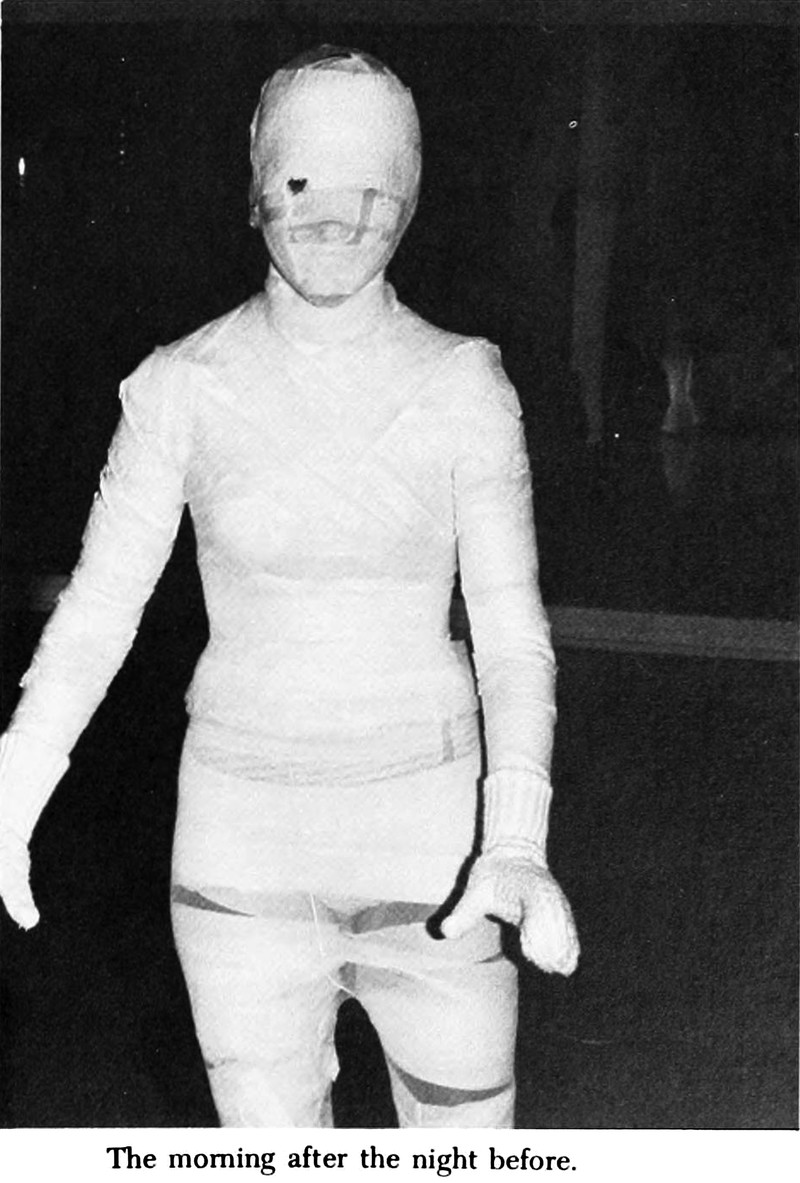
How brilliantly explained: "The feeling of the morning after the night before is not a sensation endured by the dissolute only: every morning, for every human being, is in some sort a morning after the night before: the dissolute merely experience it in a more intense degree. There is an air of decauch about tossed bed-clothes, stale air, cold hot-water bottles, and last night's cast-off clothing, from which even the primmest of maiden laides cannot hope to escape. Sleep is gross, a form of abandonment, and it is impossible for anyone to awake and observe its sordid consequences save with a faint sense of recent dissipation, of minute personal disquiet and remorse." —Patrick Hamilton, The Slaves of Solitude
"The morning after the night before." From Peace College's 1974 yearbook.
|
|
|
|
|
|
From Lustige Blätter, 1917.
J quips: "Spilled milk may be nothing to cry over...but spilled Chianti literally spells [a synonym for] disaster!"
|
|
We're delighted that Lacey Echols called our One-Letter Words: A Dictionary "fool-proof," a "saving grace," "extremely educational, entertaining, and useful." Here's a snippet from the article "My Visit to Grant's Tome" ( Word Ways), in which our dictionary is put to the test: I wanted to find all one-letter, two-letter, three-letter, etc. words in any given word. There was one problem. Even though I have a fairly large vocabulary, I do not know many words which are one-letter words. Ask me to identify three- and four-letter words, and I am at ease. One letter? The only common single letter words are 'a' and 'I'! However, I was fortunate to hear about a book which could be my saving grace, One-Letter Words: A Dictionary, by Craig Conley. I felt my confidence begin to soar because with the help of this dictionary I should easily be able to count all one-letter words in any given word, or could I? Being a bit of a skeptic, I tested my skill with the word 'ait.' 'I' and 'a' are legitimate, but what about 't'? Sure enough, Mr. Conley provides 58 instances in which 't' is used as a word. As an example, 'it suits you to a T' uses 't' as a word. Hallelujah! But 'ait' is a fairly simple word. What about 'Mozambique'? I feel a time-consuming project ahead. Actually, the dictionary is fool-proof. There are thirty-five examples using the word 'z' and even twenty-seven examples of the word 'q'. ... I found [Conley's dictionary and Jeff Grant's Concise Dictionary of 2 Letter Words] to be extremely educational, entertaining, and useful for a novice word counter. Maybe if I never let anyone use these books, I will be able to win all games which include identifying actual words in any given word.
|
|
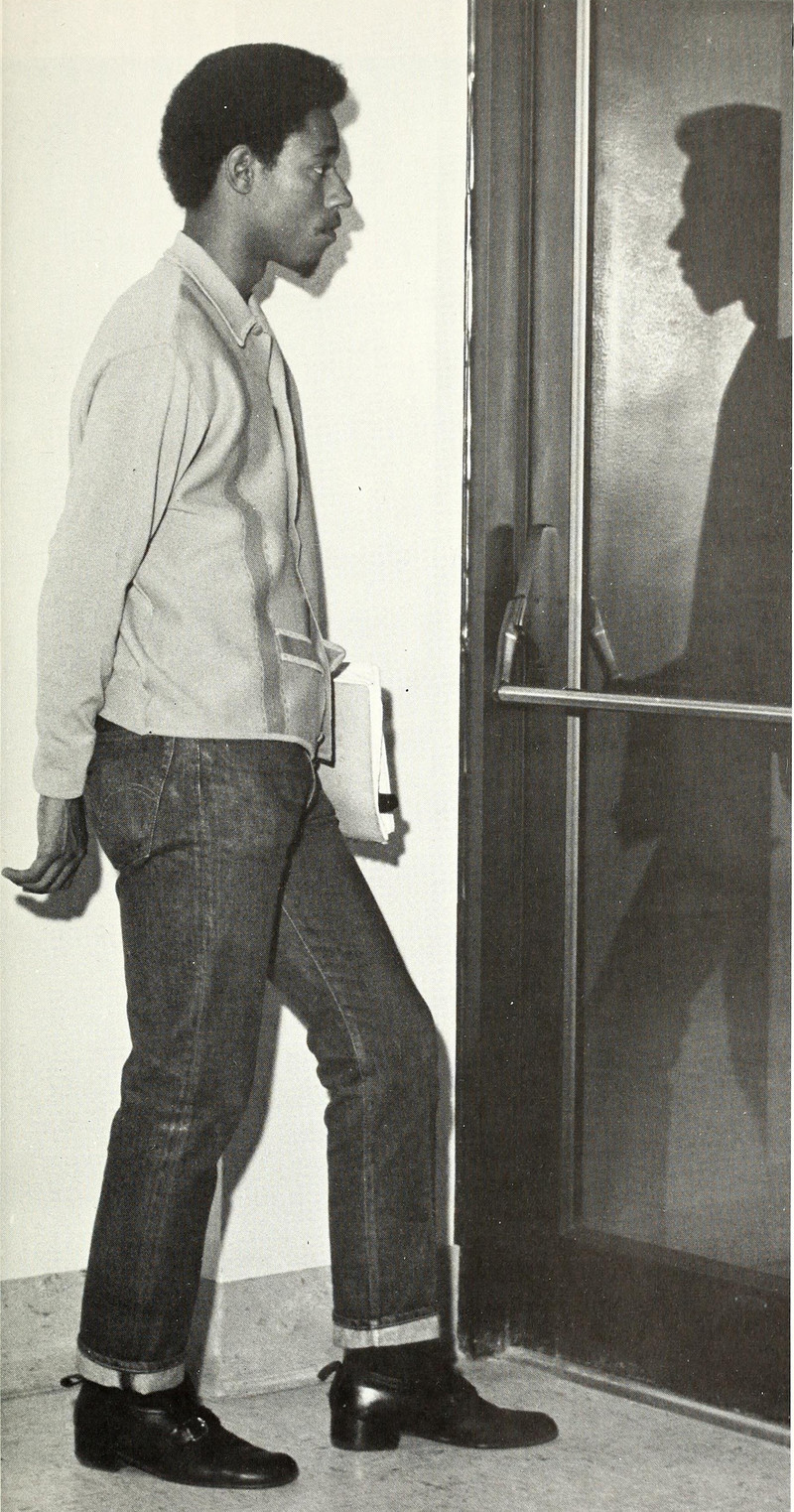
Those who follow our strange peregrinations though old yearbooks will recognize this as an encounter with the shdow self. From Memphis State's 1972 yearbook.
|
|
Viola Dana, from Cine-Mundial, 1922.
|
|
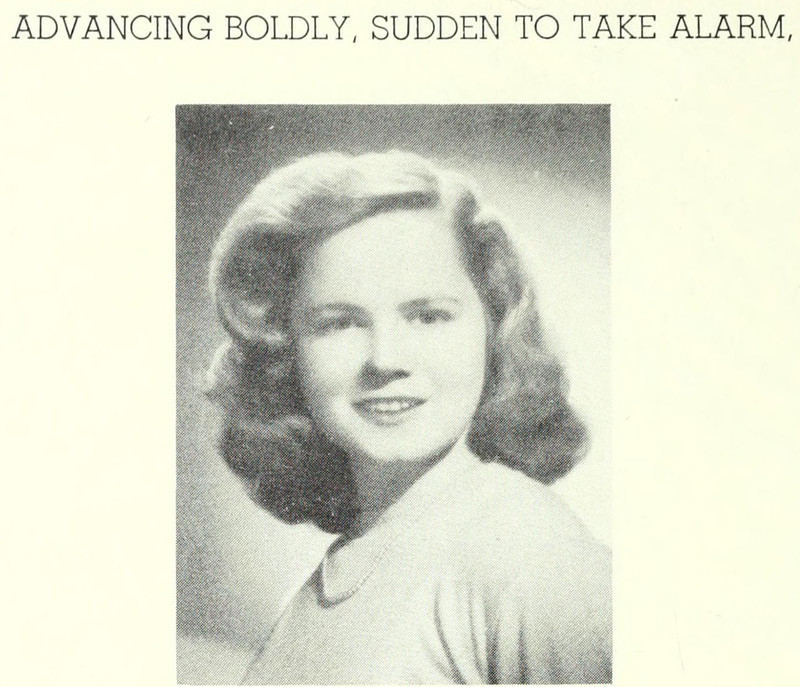
Reblog if you, too, are advancing boldly but sudden to take alarm. From Emerson's 1946 yearbook.
|
|
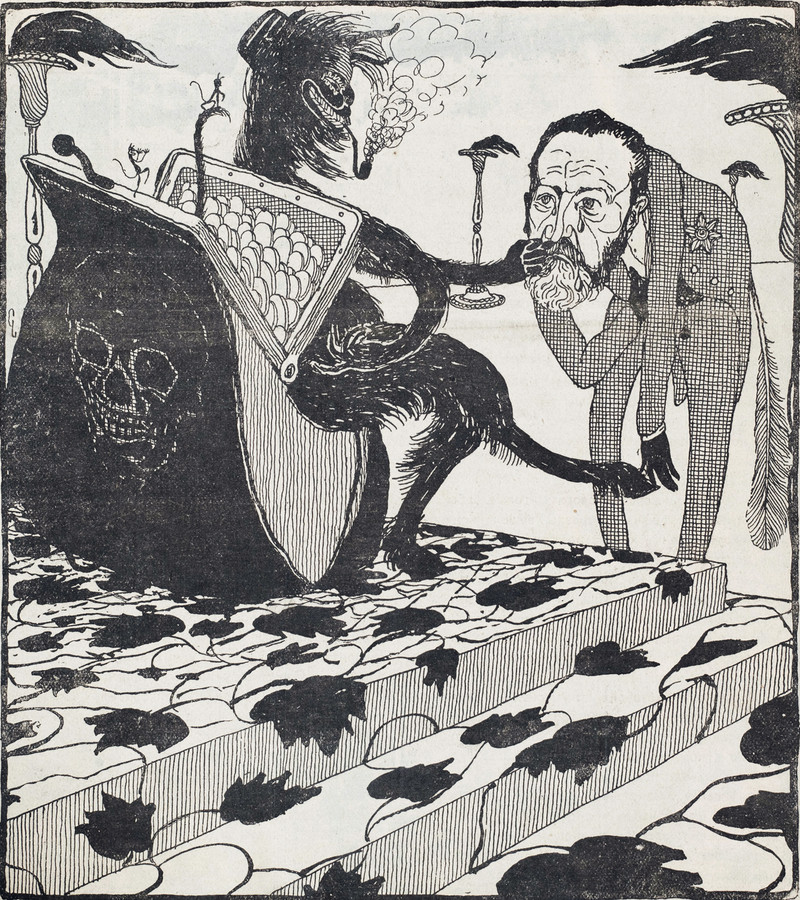
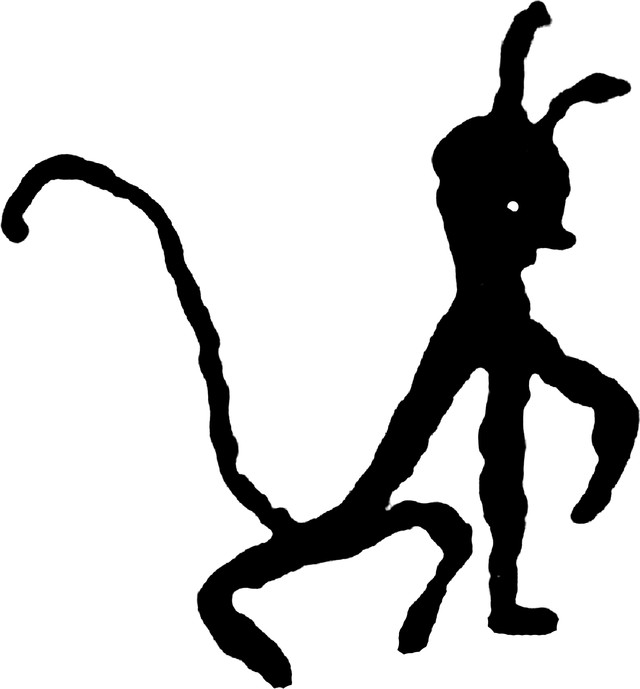
From Zritel', 1906. There are tiny imps on the devil's tail and coin purse throne, which we've enlarged for you.
|
|
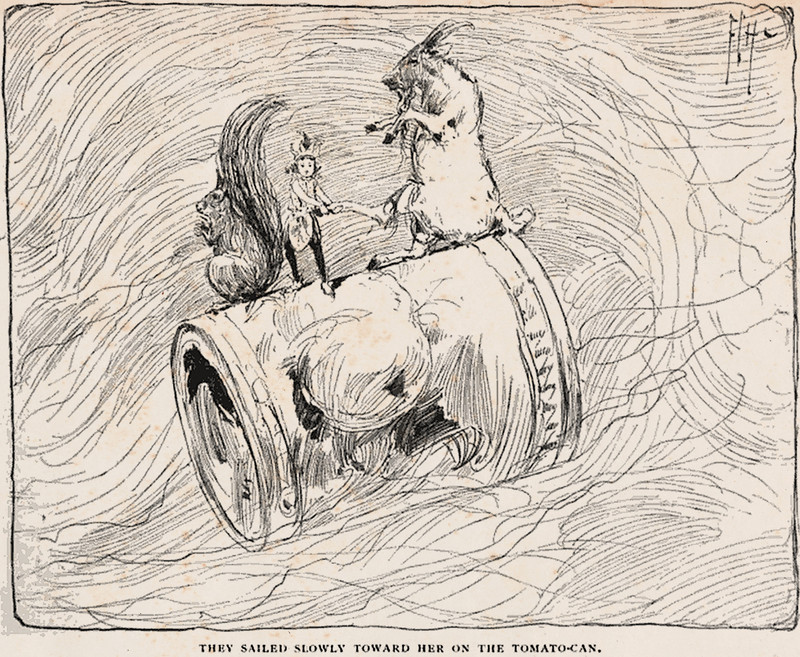
This is the best tiny goat, squirrel and fairy sailing on a tomato can that we've seen in a long while. From In No-man's Land: A Wonder Story by Elbridge Streeter Brooks, 1885.
|
Page 14 of 31
> Older Entries...
Original Content Copyright © 2026 by Craig Conley. All rights reserved.
|