|
|
 |
|
Piecing together the secret of the rosary . . . |
|
|
|
|
|
Santa Luiza the PiousPatron of Religious Atheists. Santa Luiza teaches that humanity invented God, and that God is very, very real. Santa Luiza shelters her flock of unbelievers with a canopy of sacred art, symbols, stories, and histories. The photograph depicts Santa Luiza in her incarnation as the only atheist attending a Catholic wedding. The color palette "Saint of the Atheist" was created in her honor.  (Thanks to Luiza de Camargo!)
|
|
Oh if you ain't got the do re mi, folks, If you ain't got the do re mi, Why, you'd better go back to beautiful Texas, Oklahoma, Kansas, Georgia, Tennessee. — Woody Guthrie, "Do Re Mi," a Dust Bowl ballad of the 1930s |
|
|
|
|
|
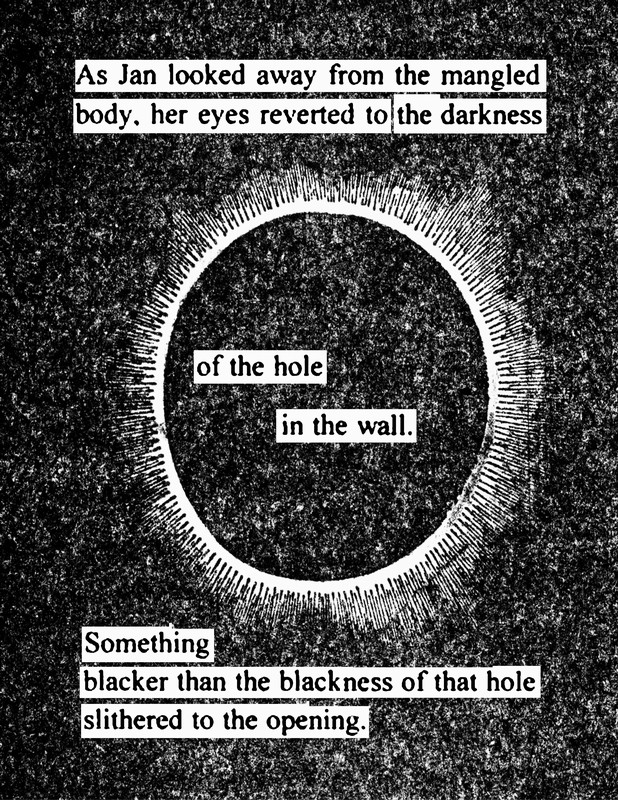
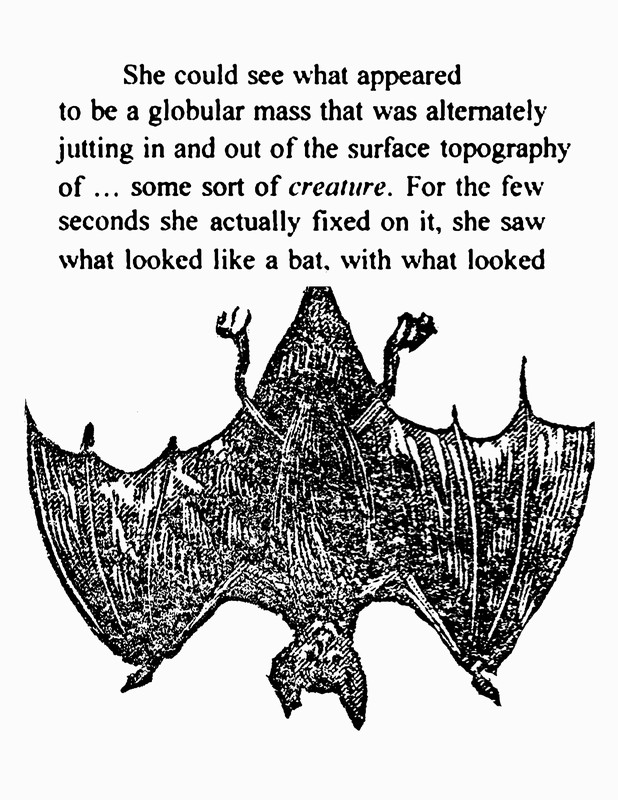
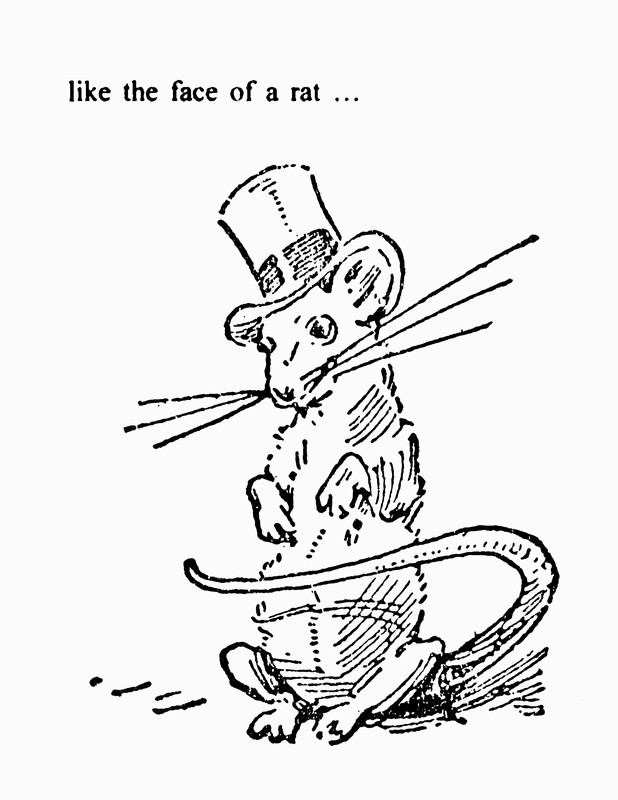
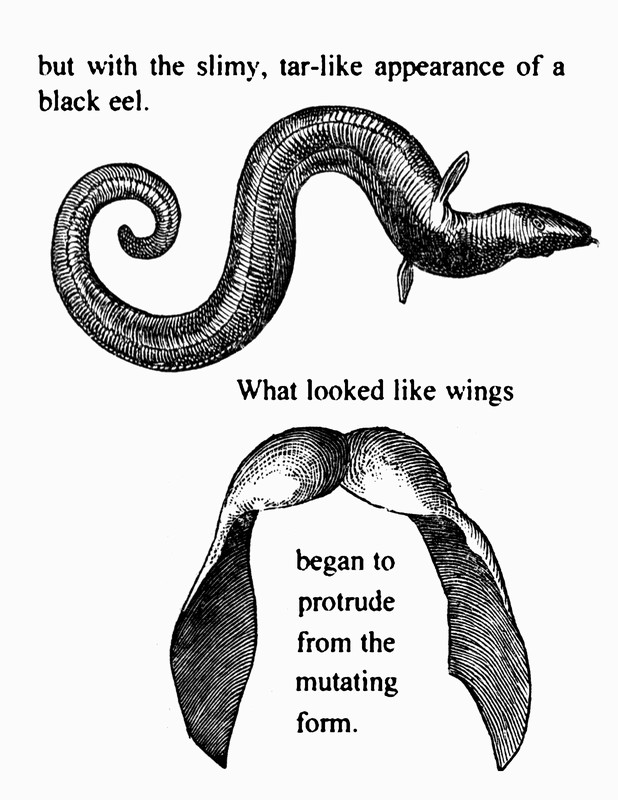
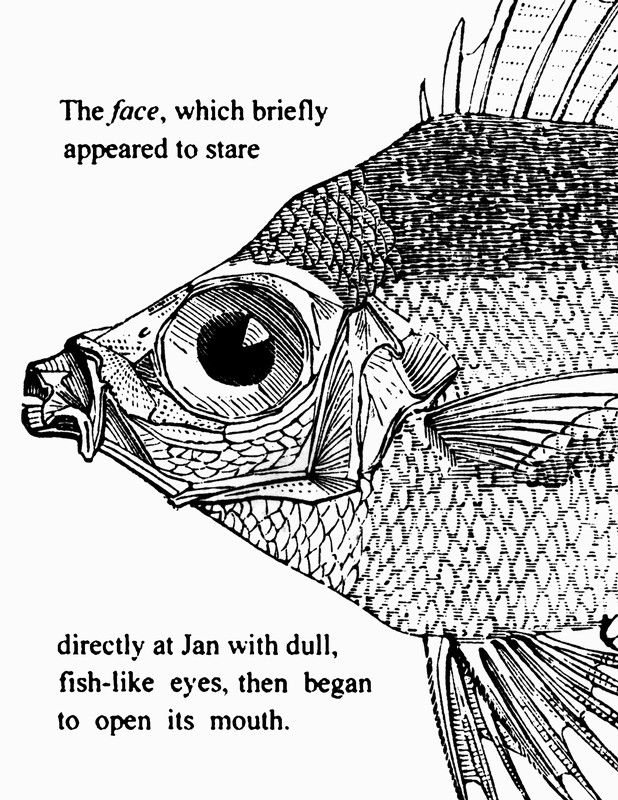
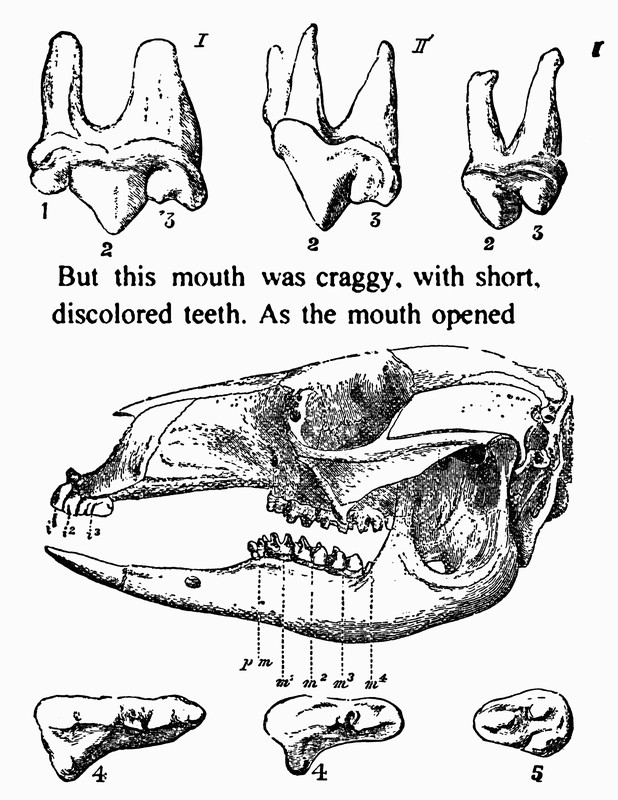
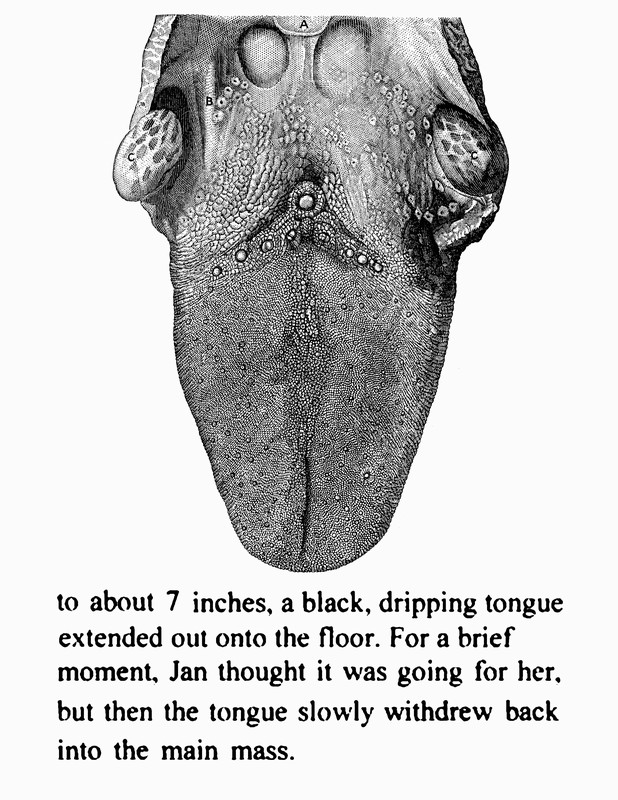
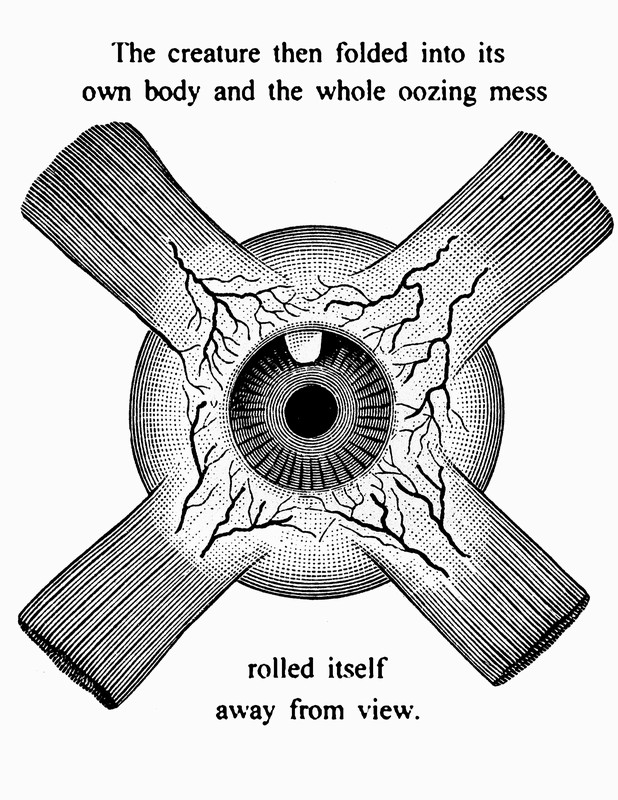
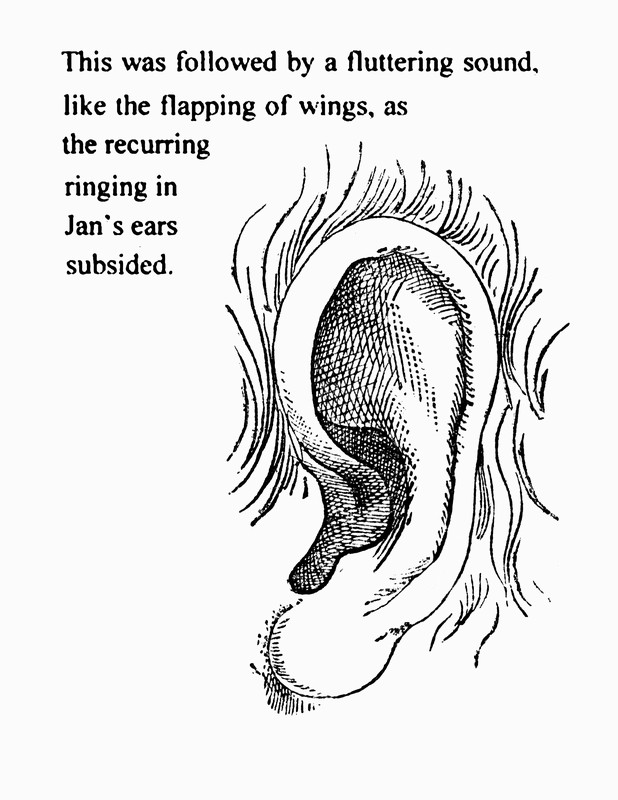
A collaged story we assembled for a singular Jan and henceforth dedicate to all the Jans of the world. Click on the thumbnails below to view an enlarged version in a new window. |
|
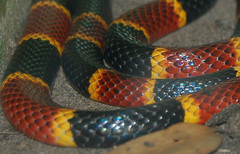
Some folks say that once in a while you’ll find a coral snake in there, he glistening magic in his yellow and vermillion stripes, lying there near your foot like a thing bewitched, the fatal spell of his fangs in his wonderful color: cute thing, pretty little yellow and vermillion snake. Those rattlers in the swamps are of wonderful coloration: white, black, yellow, orange, red, blue, in great diamonds. Not like desert rattlers, dry, dusty in color, but moist in color, refulgent in color.
—Julian Lee Rayford, Cottonmouth, 1941.
|
|
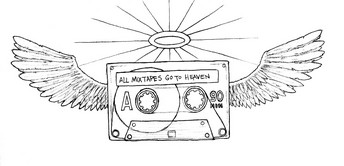
All mixtapes go to heaven. Source. 
Information Prose :: A Manifesto in 47 Points :: Version 1.0 by Jeremy P. Bushnell, jeremy@invisible-city.com 9. You can learn a lot about a person from a mixtape. 10. When at someone’s house for the first time, you tend to look at their bookshelves. 11. Fiction which builds characters without taking this into account has its head in the sand. 12.
The primary goal of the information prose writer is to document the
contemporary mind and environment in a way that takes the contemporary
importance of media and information seriously. 13. Many
contemporary fiction writers are afraid or otherwise unwilling to do
this. I submit as evidence the large numbers of contemporary novels set
in environments which lack informational richness: rural areas, the
past, " magical realism" worlds. 14. Information prose does not
attempt to depict a simplified version of the world. Information prose
attempts to contain as much of the complexity of the world as possible. 15. "Do you understand how tremendously dense? A minute in a room, together." — Don DeLillo, Valparaiso 16.
A fictional American present in which no one watches TV, listens to the
radio, or checks their e-mail is sentimental and false. 17.
Information prose writers should not aim to write work which is
timeless. The value of documentary work never lies in its timelessness. 18.
When writing about characters who inhabit dense fields of information
(both remembered and newly-experienced), the value of quoting,
sampling, and appropriation rapidly becomes apparent. 19.
Creative work utilizing techniques of appropriation has been produced
with regularity for nearly a hundred years now, in all forms of media.
Information prose writers should no longer need to defend these
techniques against charges of novelty. 20. A partial primer,
organized in a rough chronology: the Comte de Lauteamont’s Maldoror,
Dada collages, Tristan Tzara’s cut-up poems, William S. Burroughs’
cut-up and fold-in novels, Robert Rauschenberg’s media silkscreens,
Bern Porter’s found poems, Situationist detournement projects, the
poetry of John Ashbery, Brian Eno and David Byrne’s My Life In the Bush
of Ghosts, the novels of Kathy Acker, the albums of Public Enemy and
Negativland, and the films of Craig Baldwin. 21. All evidence indicates that much of this work is of lasting merit. 22.
All evidence indicates that these techniques of appropriation are
exactly the ones necessary to create a recognizable picture of the
contemporary present. 23. "As artists, our work involves
displacing and displaying bites of publicly available, publicly
influential material because it peppers our personal environment and
affects our consciousness. In our society, the media which surrounds us
is as available, and as valid a subject for art, as nature itself."
—Negativland’s Tenets of Free Appropriation 24. Information
prose writers should not be afraid to plagiarize. It is not their duty
to write citations. Our memories and experiences do not usually come
attended by complete bibliographies. 25. Information prose
writers should not overlook the technique of the fragment. Our
experience of the textuality of the surrounding world is largely
fragmentary; information prose should strive to reflect that. (to be continued) _____ |
|
|
|
|
|
The whole room blazed with light — and not with light alone but with a thousand colours, with all the glories of some painted window; and upon the walls of his room and on the familiar furniture, the glow flamed back and seemed to flow again to its source, the little wooden box. For there upon a bed of soft wool lay the most splendid jewel, — a jewel such as Dyson had never dreamed of, and within it shone the blue of far skies, and the green of the sea by the shore, and the red of the ruby, and the deep violet rays, and in the middle of all it seemed aflame as if a fountain of fire rose up, and fell, and rose again with sparks like stars for drops.
—Arthur Machen, "The Inmost Light," found in the collection Masterpieces of Mystery, 1921.
|
|
|
|
|
|
| I Found a Penny Today, So Here's a Thought |
(permalink) |
|
|
|
  by franz66Test Your Color Memory
Is it possible to accurately remember a given color? Rochester Institute of Technology Professor Mark Fairchild says "no"! Surprisingly, the brain is poorly equipped to remember colors. At best, Dr. Fairchild notes, "we can remember only general categories of color represented by significant color names. That's why there are so many sophisticated ways to name, organize, and measure color." Here's a way to test your own color memory. Close your eyes and imagine a red stop sign at a traffic intersection. It's a color that drivers see every day in the European Union, United States, and many other places. Then open your eyes and see if you can identify the official stop sign color from amongst the following imposters:                     Answer: According to the Manual on Uniform Traffic Control Devices, the official stop sign color is HEX: #B01C2E, RGB: 176, 28, 46, Pantone® 187. It is the last color in our lineup. Did you guess correctly? Here's a second try, with fewer options. Close your eyes and imagine the giant yellow "M" of the McDonald's® franchise. It's an eye-catching yellow known the world over. Then open your eyes and see if you can identify the official McDonald's® yellow from amongst the following imposters:         Answer: According to the McDonald's® Global Logo and Trademark Standards Reference Guide, the official yellow is HEX: #FCC917, RGB: 252, 201, 23, Pantone® 123. It is the first color in our lineup. Did you guess correctly? You can explore Dr. Fairchild's research on color perception and imaging at his website. [Read the entire article in my guest blog at ColourLovers.com.]
|
|
Nonexistence contains existence. Love / encloses beauty. Brown flint and gray steel have orange candlelight in them. Inside / fear, safety. In the black pupil of the eye, many brilliancies.
—Jalal al-Din Rumi (1207–1273), from Paradox. The Soul of Rumi: A New Collection of Ecstatic Poems, translated by Coleman Barks, 2001.
Jonathan responds with a dialog between a Zen master and his disciple:
Disciple: Does the cold flint contain the warm flame, Master?
Master: Tiny, sleeping monks with disposable lighters.
|
|
Piecing together the secret of prosperity . . . |
|
|
|
|
|
| I Found a Penny Today, So Here's a Thought |
(permalink) |
|
|
|
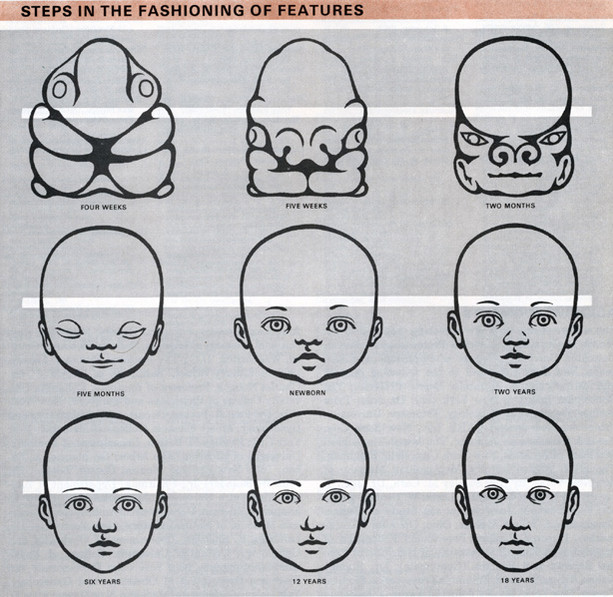
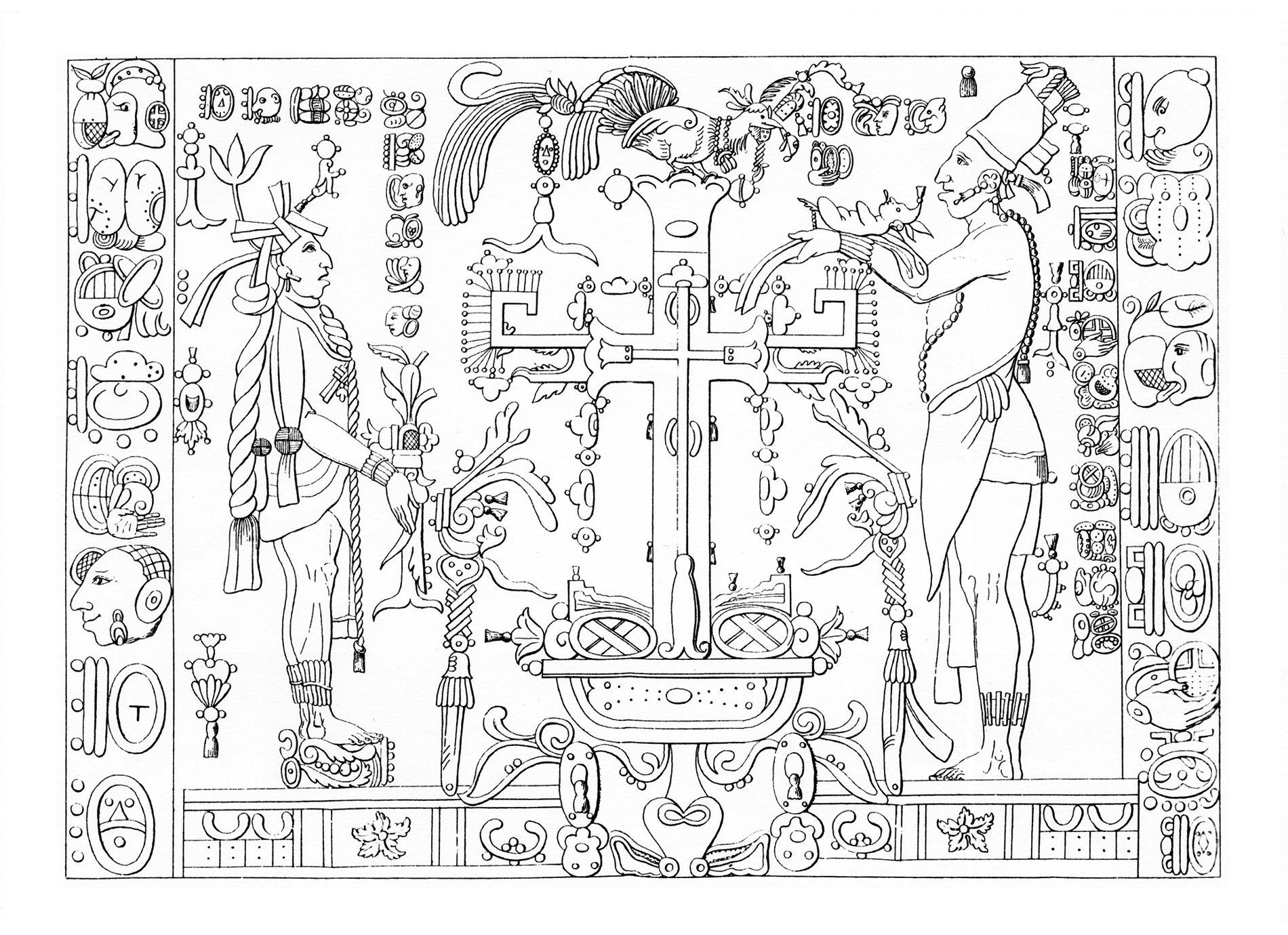
In this diagram of human development, the pictures of the fetus at four and six weeks (top left and middle) bear a striking resemblance to Mayan hieroglyphics. The top right picture, of the fetus at two months, bears an uncanny resemblance to an Olmec head statue.
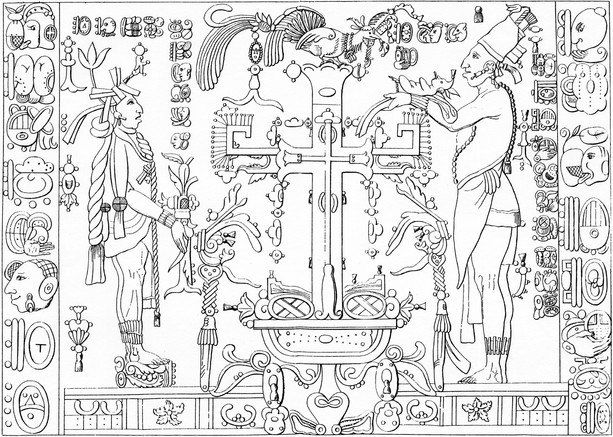
Mayan hieroglyphics. Picture source.
|
|
King Death was a rare old fellow! / He sate where no sun could shine; / And he lifted his hand so yellow, / And poured out his coal- black wine / Hurrah! for the coal- black wine!
—Thomas Morton, The School of Reform; or, How to Rule a Husband, A Comedy in Five Acts, 1805. As quoted in Artist of Wonderland: the Life, Political Cartoons, and Illustrations of Tenniel by Frank Morris, 2005.
|
|
|
|
|
|
Around the pale- blue dome of the heavens a few pearl- colored clouds hung motionless, as though the wind had been withdrawn to other skies. Not a crimson leaf floated downward through the soft, silvery light that filled the atmosphere and created the sense of lonely, unimaginable spaces. This light overhung the far- rolling landscape of field and meadow and wood, crowning with faint radiance the remoter low- swelling hill- tops and deepening into dreamy half- shadows on their eastern slopes. Nearer, it fell in a white flake on an unstirred sheet of water which lay along the edge of a mass of sombre- hued woodland, and nearer still it touched to spring- like brilliancy a level, green meadow on the hither edge of the water, where a group of Durham cattle stood with reversed flanks near the gleaming trunks of some leafless sycamores. Still nearer, it caught the top of the brown foliage of a little bent oak- tree and burned it into a silvery flame. It lit on the back and the wings of a crow flying heavily in the path of its rays, and made his blackness as white as the breast of a swan. In the immediate foreground, it sparkled in minute gleams along the stalks of the coarse, dead weeds that fell away from the legs and the flanks of a white horse, and slanted across the face of the rider and through the ends of his gray hair, which straggled from beneath his soft black hat.
—James Lane Allen, "Two Gentlemen of Kentucky," originally published in The Century Magazine, April 1888.
|
|
From Prof. Oddfellow's sketchbook:
|
Page 4280 of 4337
Original Content Copyright © 2026 by Craig Conley. All rights reserved.
|











 by