|
|
|
|
|
|
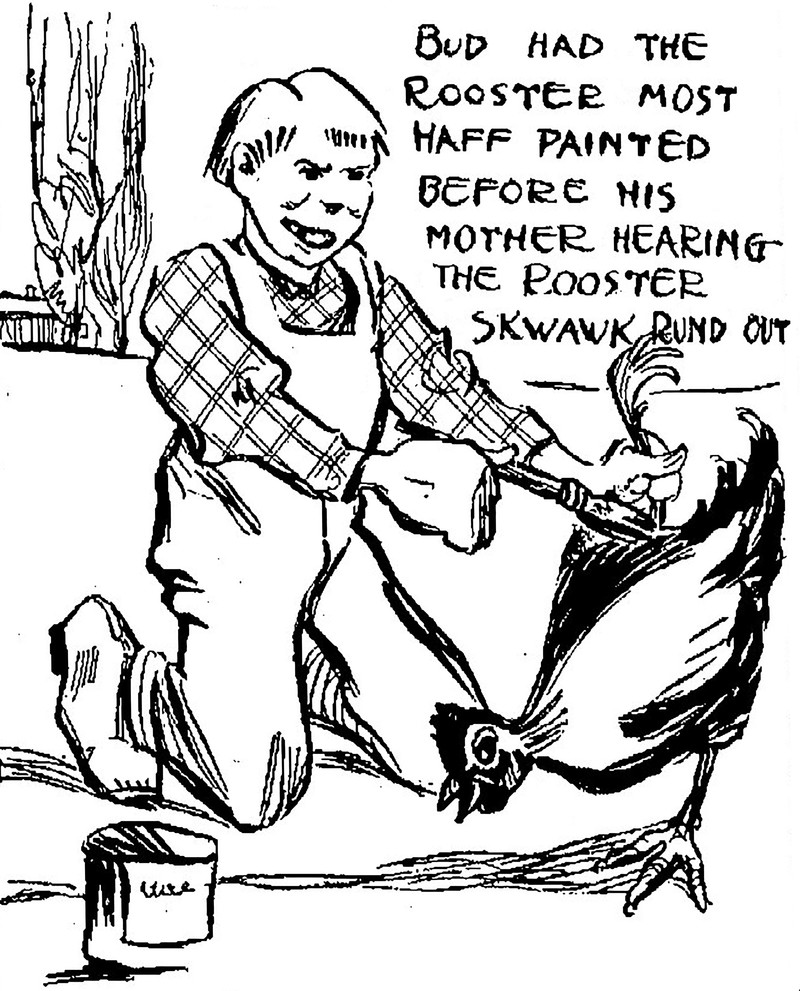
Before Why Paint Cats?, there was the painting of roosters. From the Fort Wayne Sentinel, 1914.
|
|
|
|
|
|
|
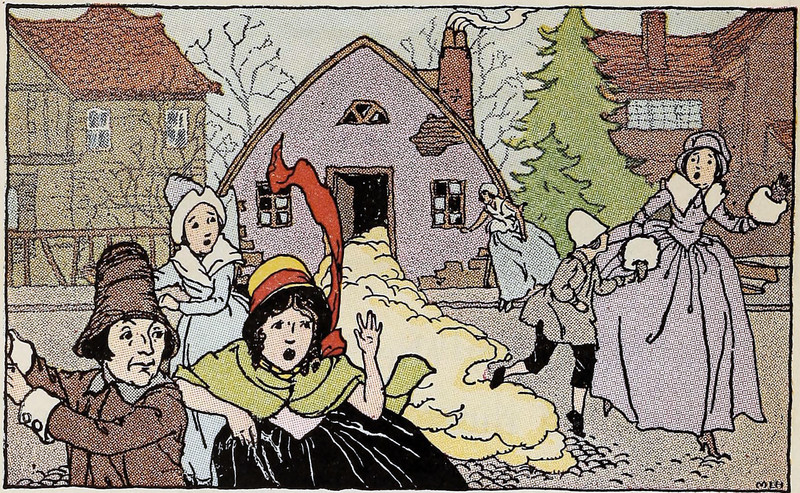
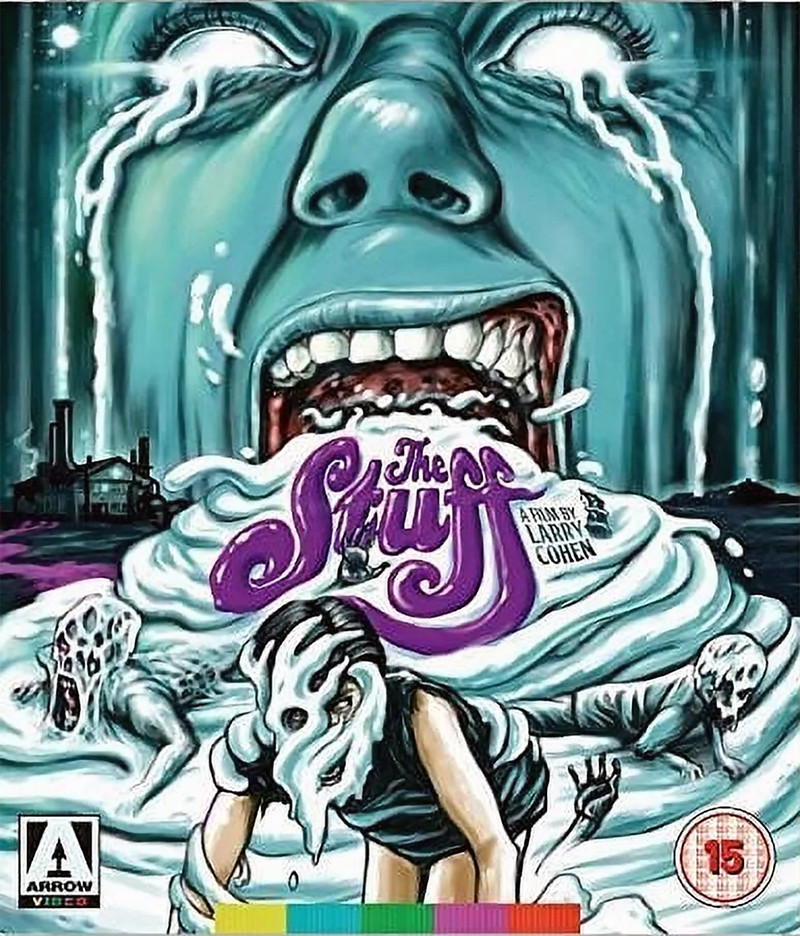
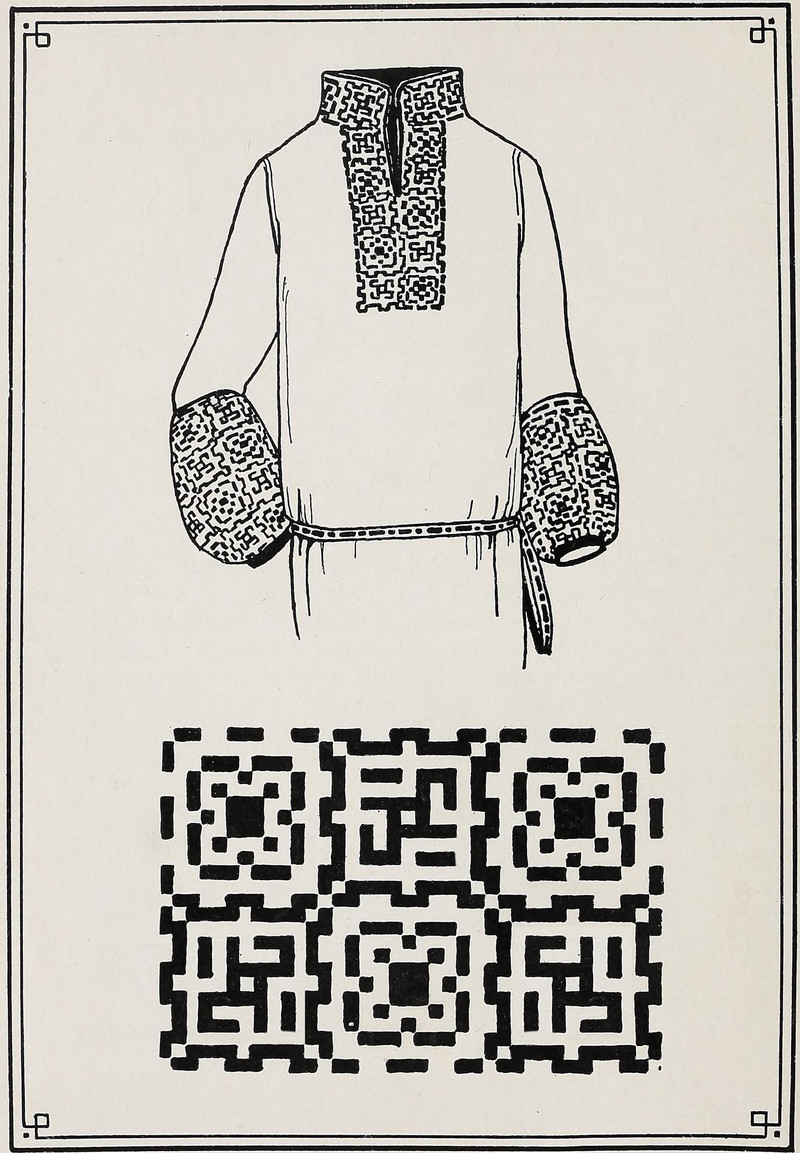
Before The Stuff, there was the Brothers Grimm's "The Porridge." From Elson-Gray Basic Readers, Book One, 1937.
|
|
|
|
|
|
|
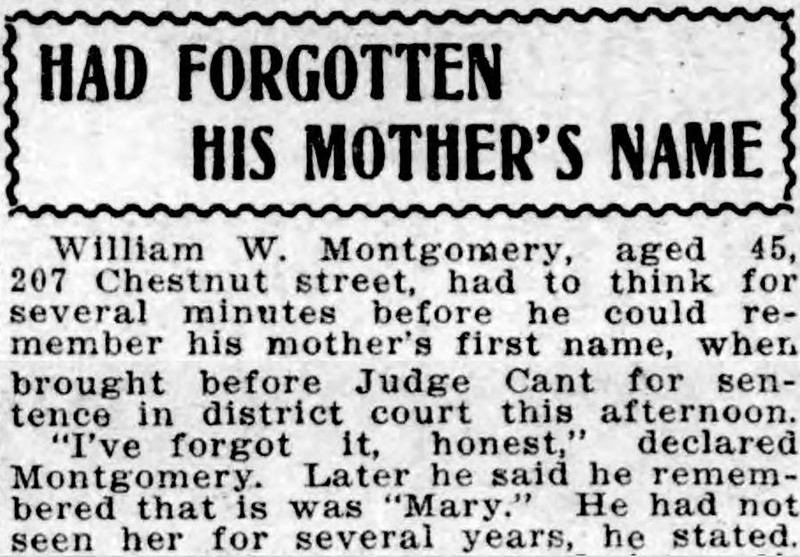
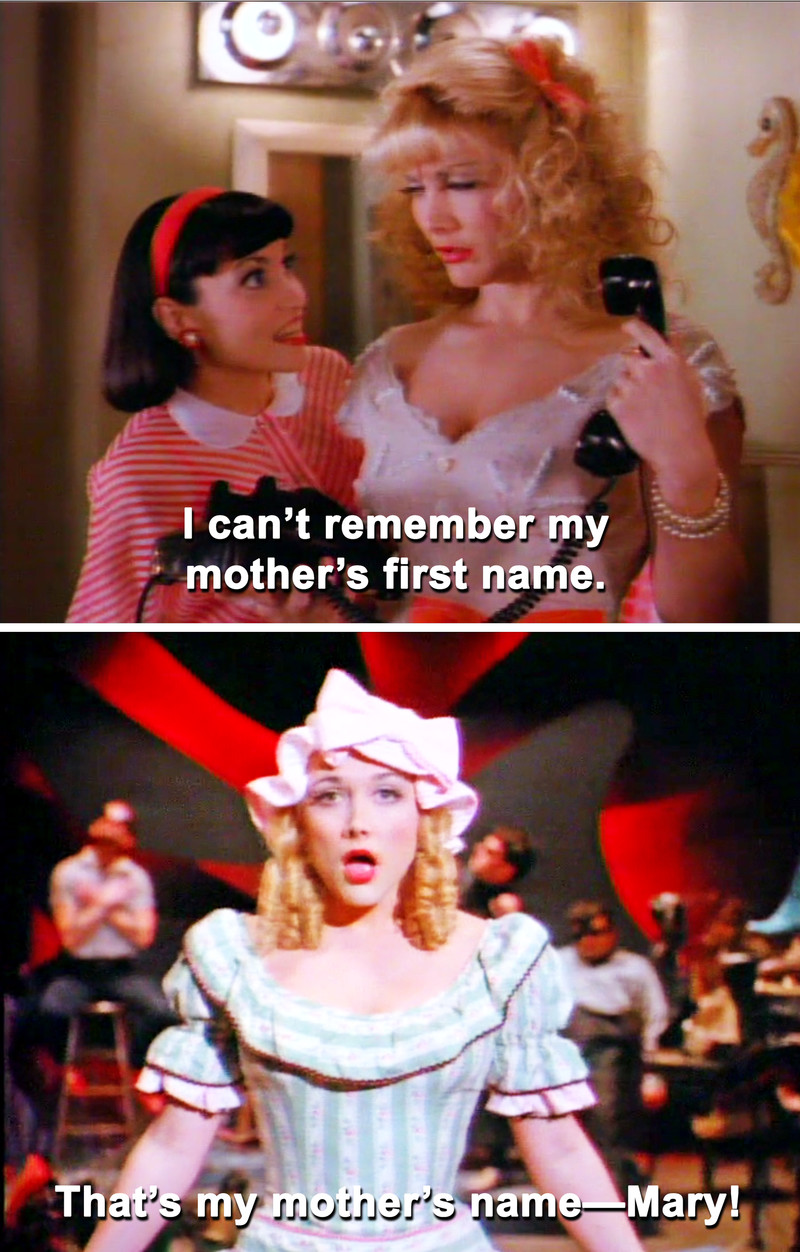
Here's a precursor to David Lynch's brilliant series On the Air, in which a character can't remember her mother's first name, which turns out to be Mary. In the Duluth Herald of 1912, a man forgets his mother's first name, which turns out to be Mary. His excuse was that he hadn't seen her in several years.
|
|
|
|
|
|
|
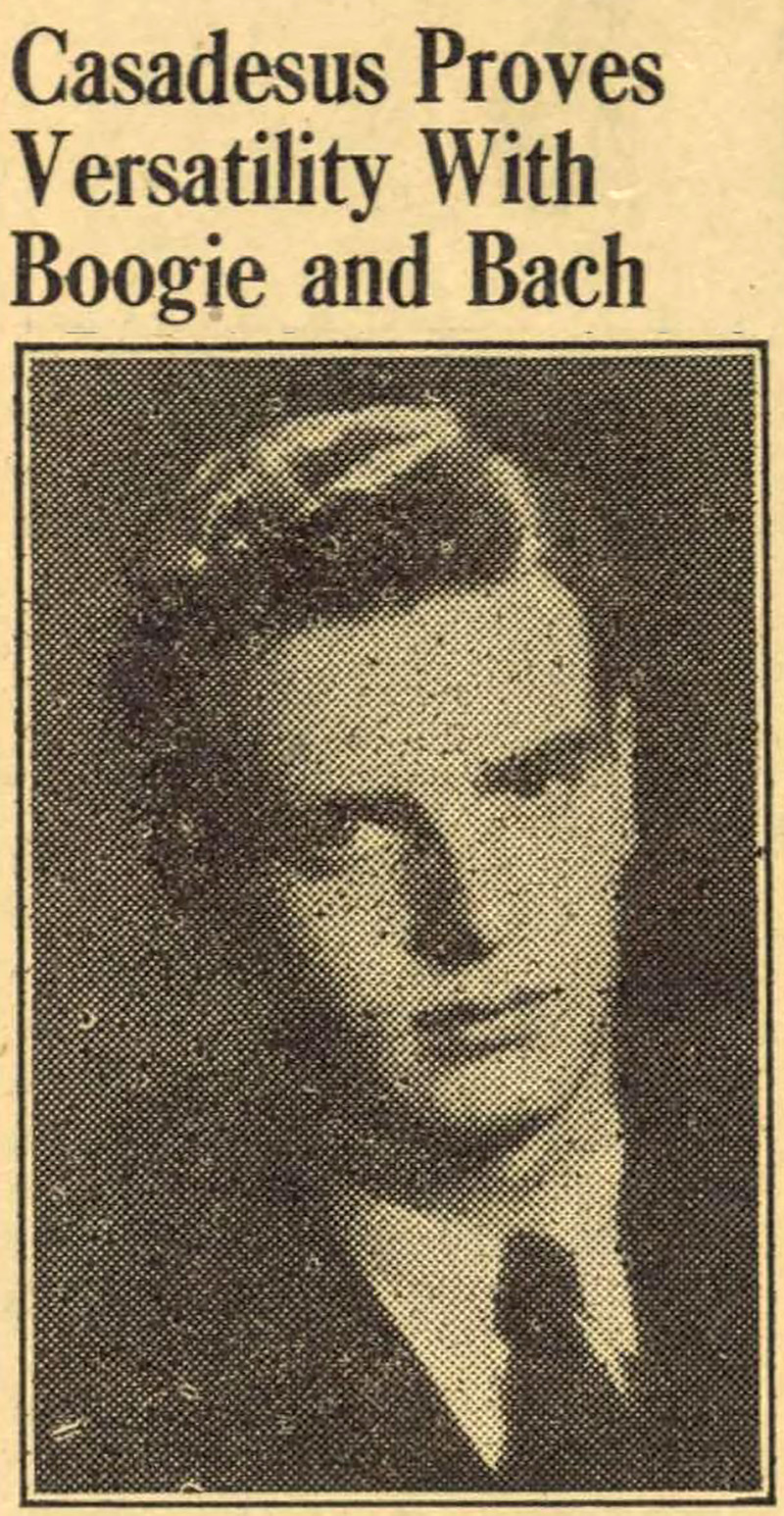
Before Wendy Carlos' synthesizer album Switched-On Bach (1968) and the disco of Hooked on Classics (1981), there was Jean Casadesus' versatility with boogie and Bach. From The Current Sauce, 1950.
|
|
|
|
|
|
|
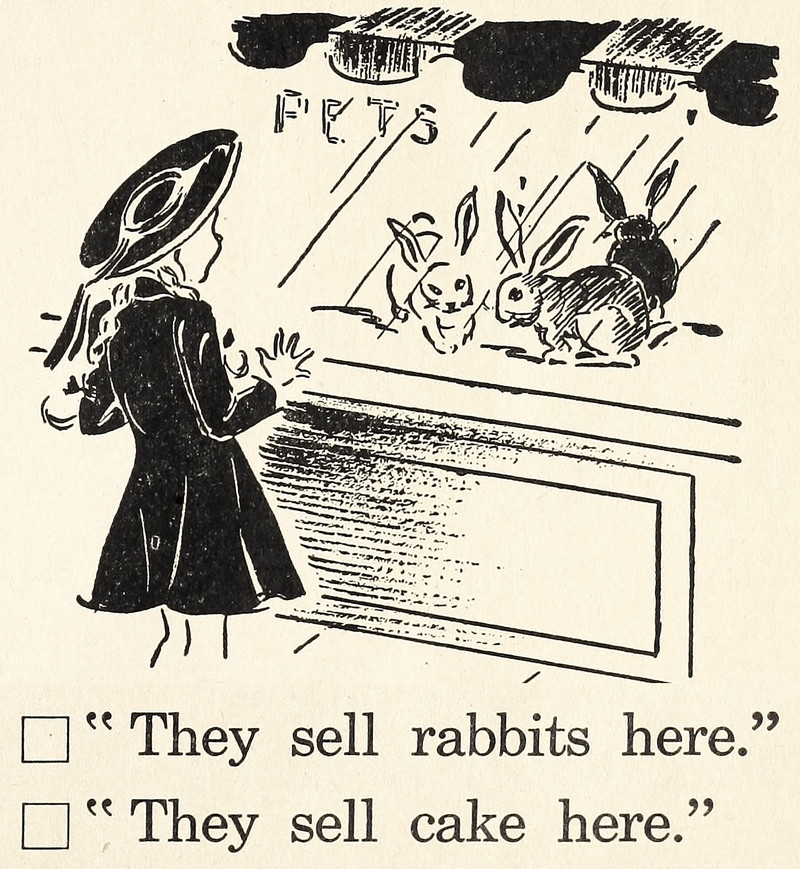
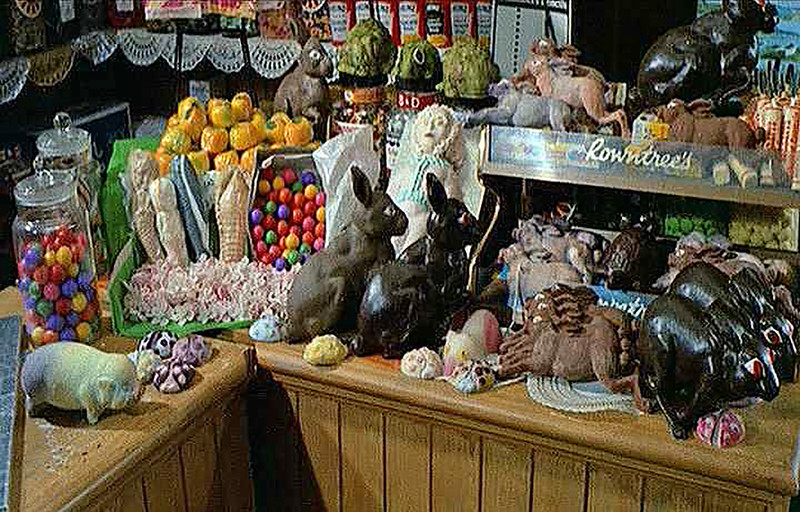
The answer is supposed to be "They sell rabbits here," not "They sell cake here," but of course in The Wicker Man, it can be both. (Though, as Summerisle shopkeeper May Morrison says, ""Those are hares, not silly old rabbits. Lovely March hares.") From My Do and Learn Book to Accompany On Cherry Street by Russell & Ousley, 1948.
|
|
|
|
|
|
|
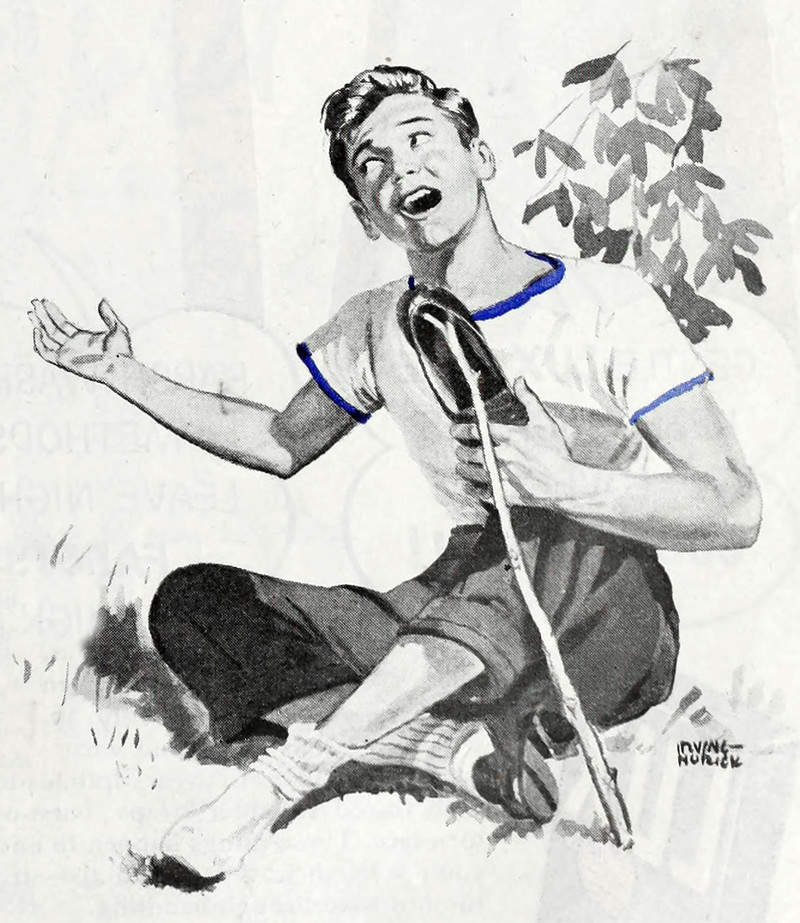
Two decades before Maxwell Smart talked into a shoe in Get Smart, this guy sang into his. The biggest difference is that this guy is actually singing about sanitary napkins. From The Ladies' Home Journal, 1945.
|
Page 4 of 72
> Older Entries...
Original Content Copyright © 2026 by Craig Conley. All rights reserved.
|