|
| I Found a Penny Today, So Here's a Thought |
(permalink) |
|
|
|
|
|
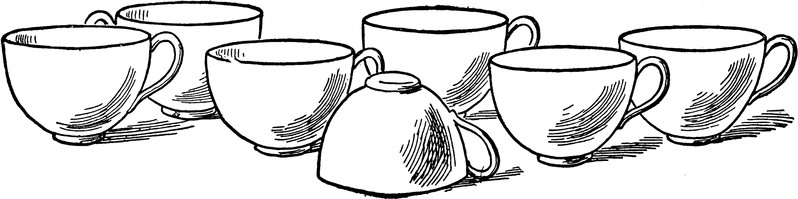
Q: Which teacup contains the tempest? (You might wonder if it's the upside down cup, but then you might wonder whether the upside down cup is too obvious.)
A: (Highlight to reveal.) It's the upside down teacup.
|
|
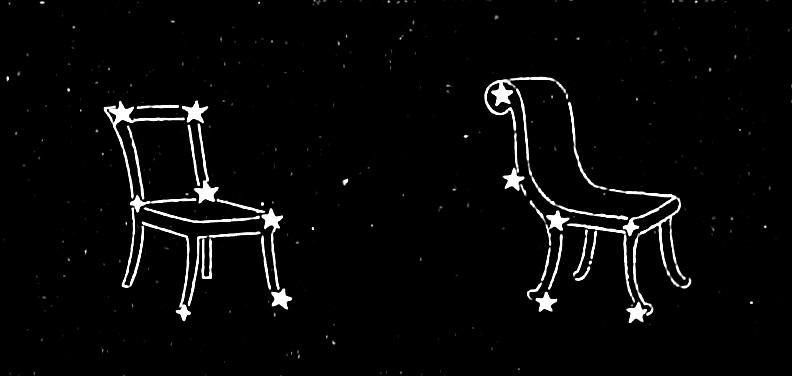
Did you know that the night sky features both a chair and the Platonic ideal of a chair? Our illustration appears in St. Nicholas magazine, 1877.
|
|
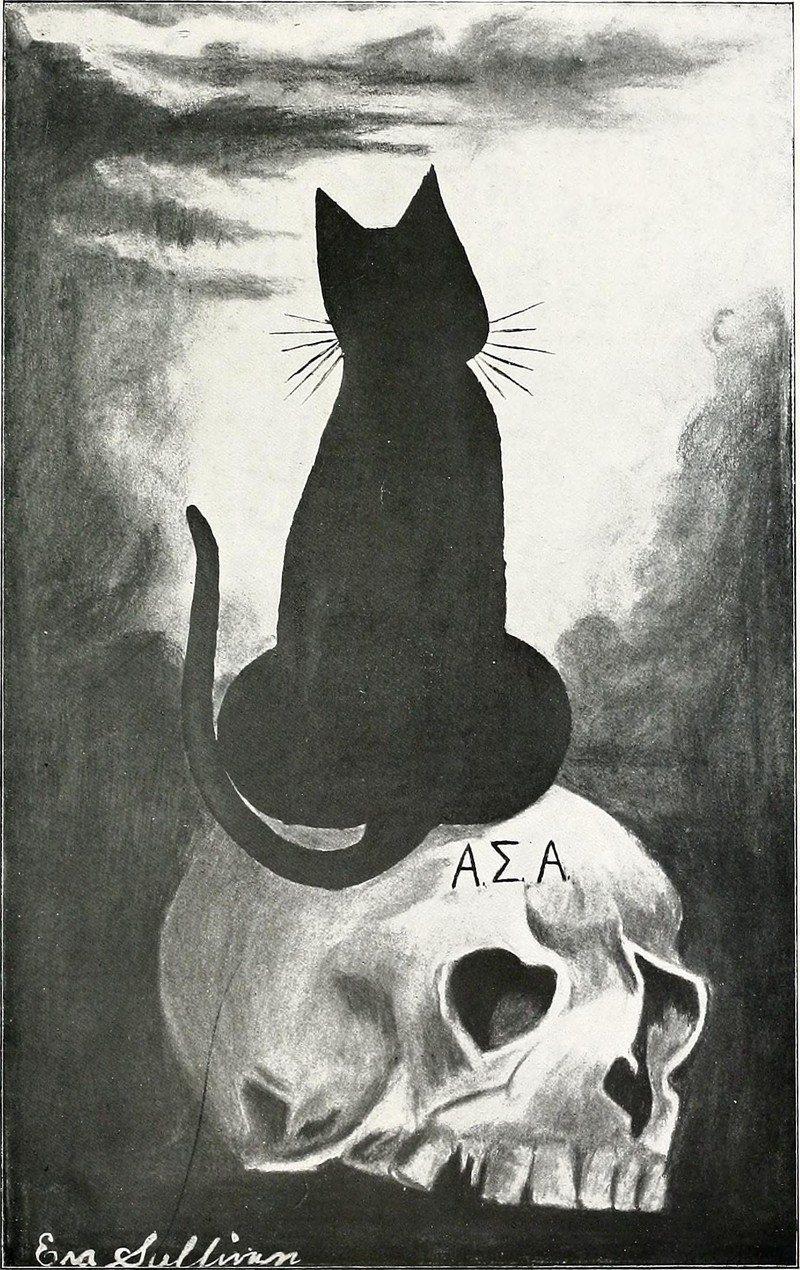
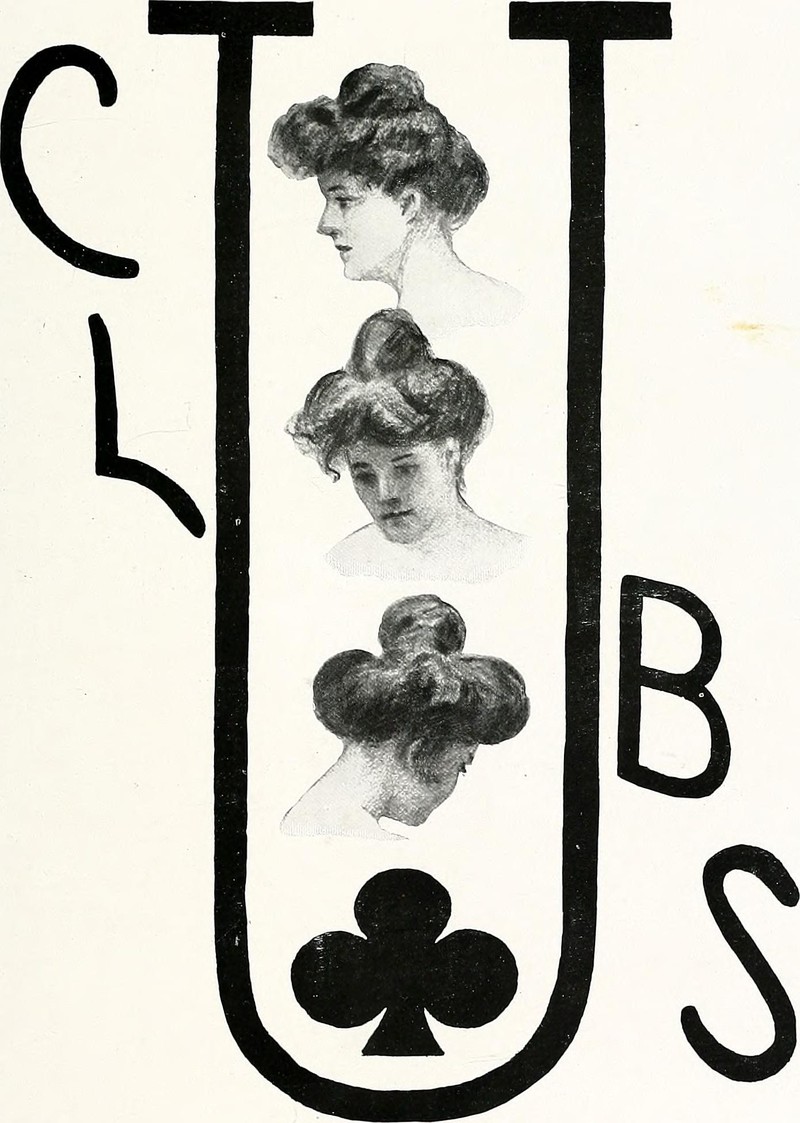
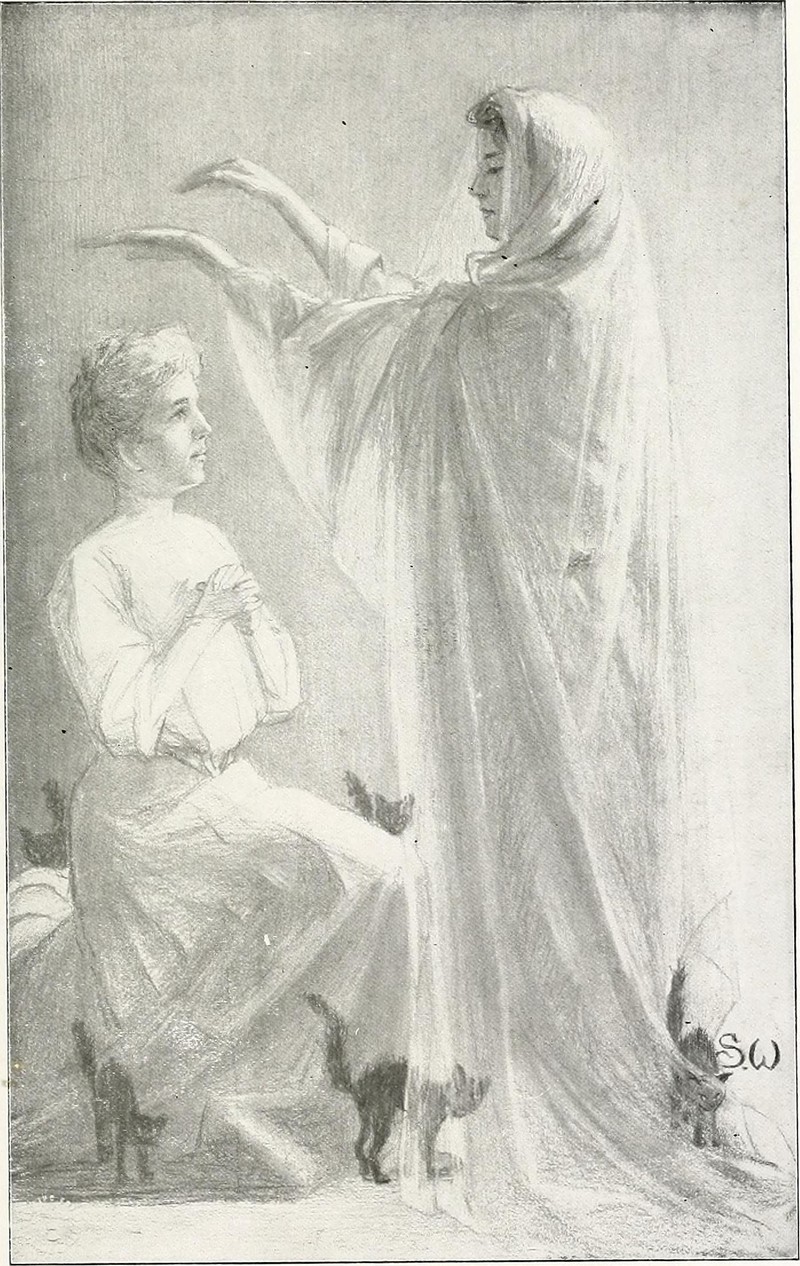
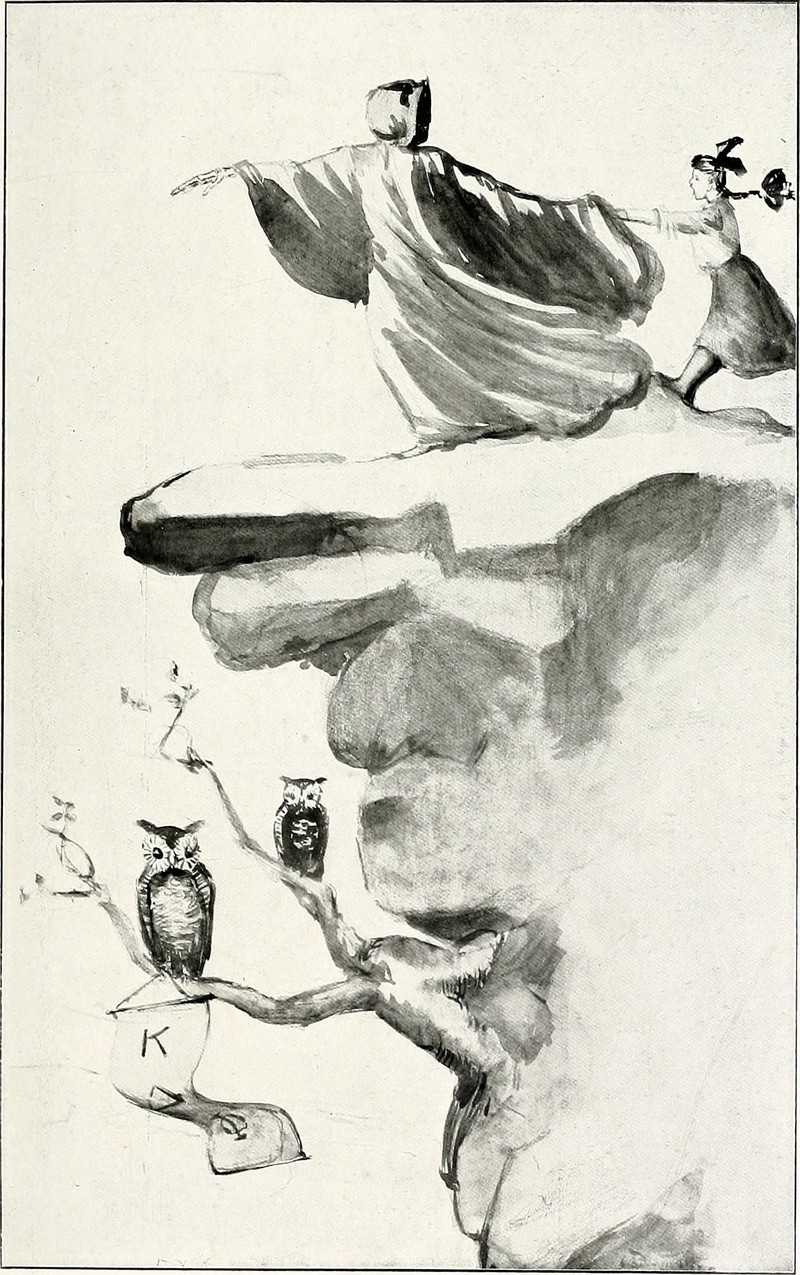
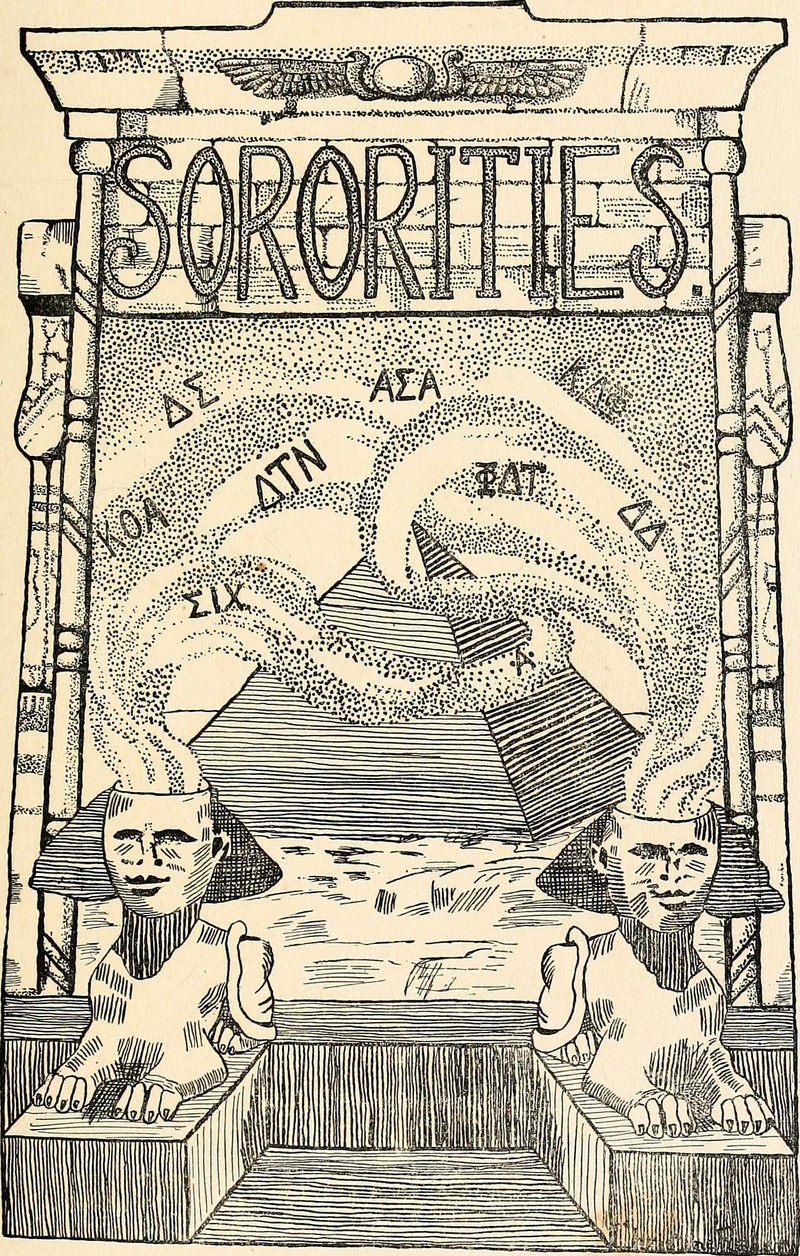
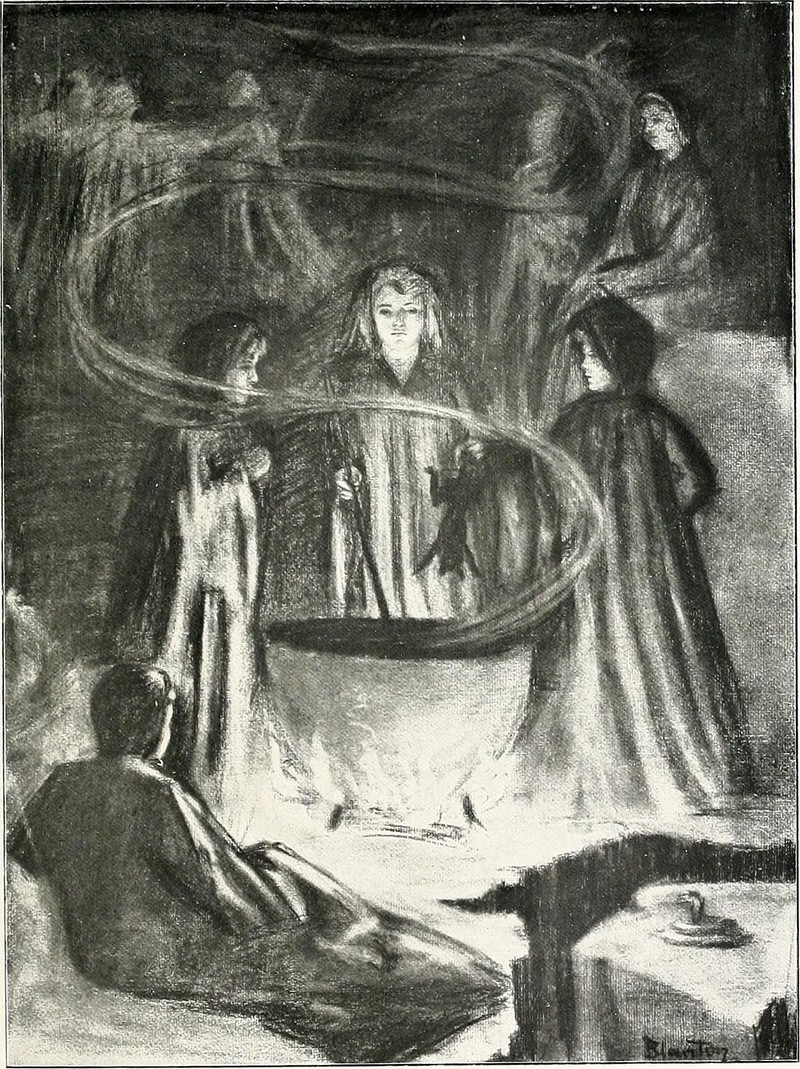
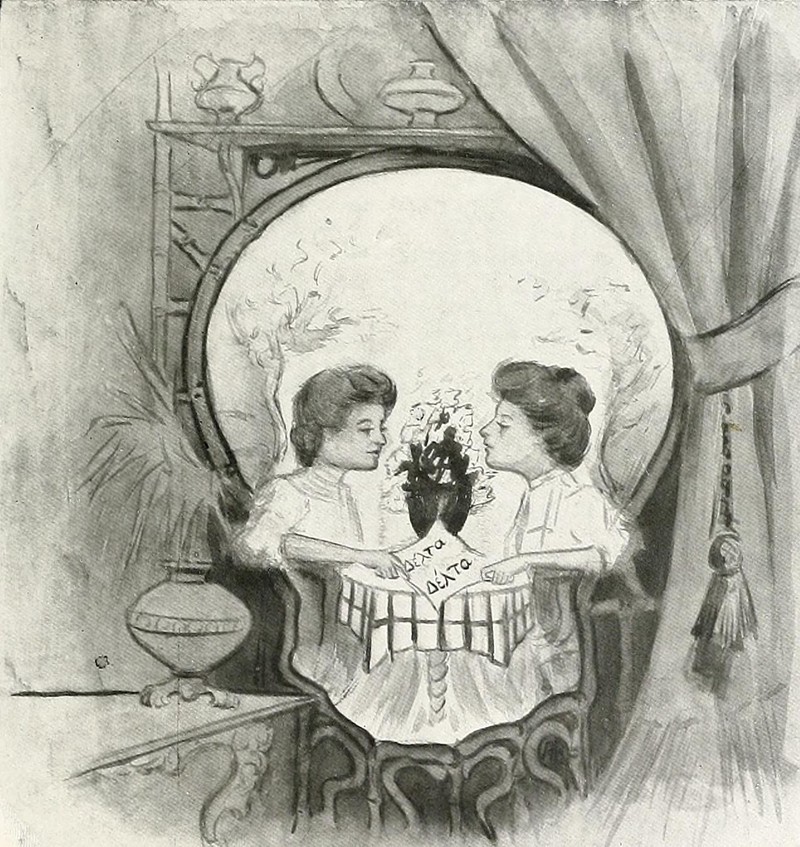
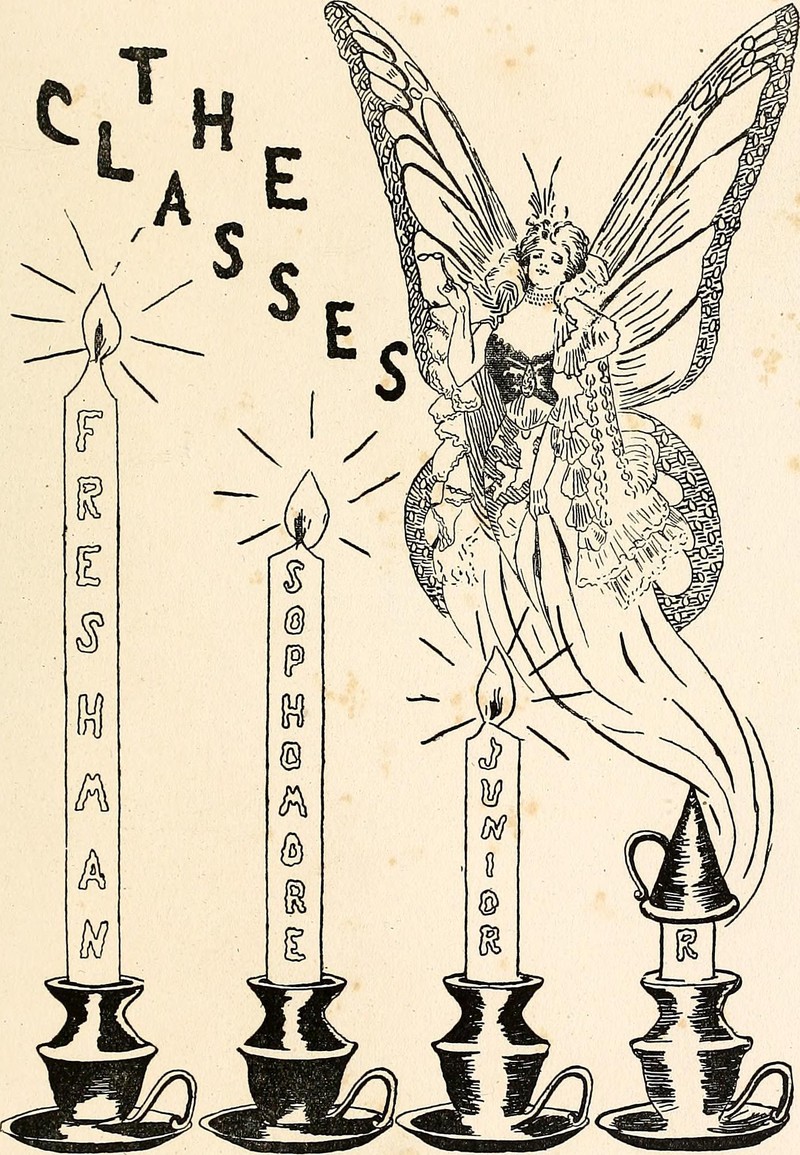
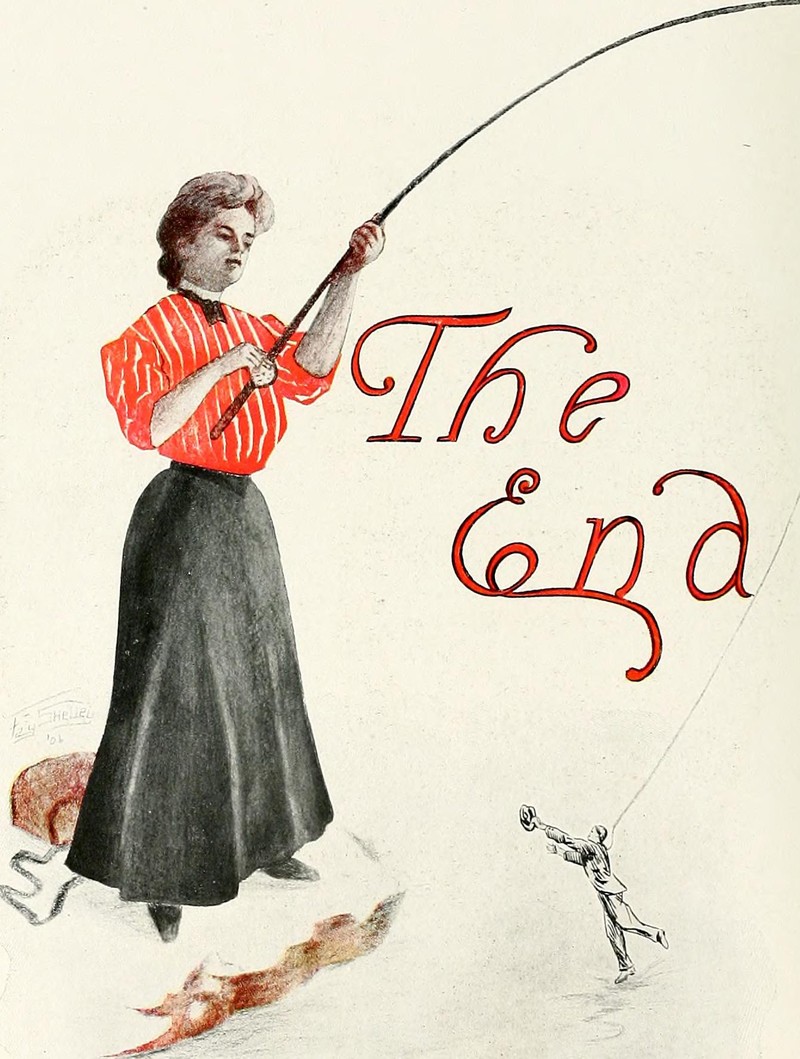
This is how we imagine the yearbook at the witch's coven masquerading as a ballet school in the great film Suspiria. Here are nine surprisingly occult illustrations from the Iris yearbook of Ward Seminary, 1906. You'll recall that the iris flower figures importantly in Suspiria. See How to Hoodoo Hack a Yearbook.
|
|
|
|
|
|
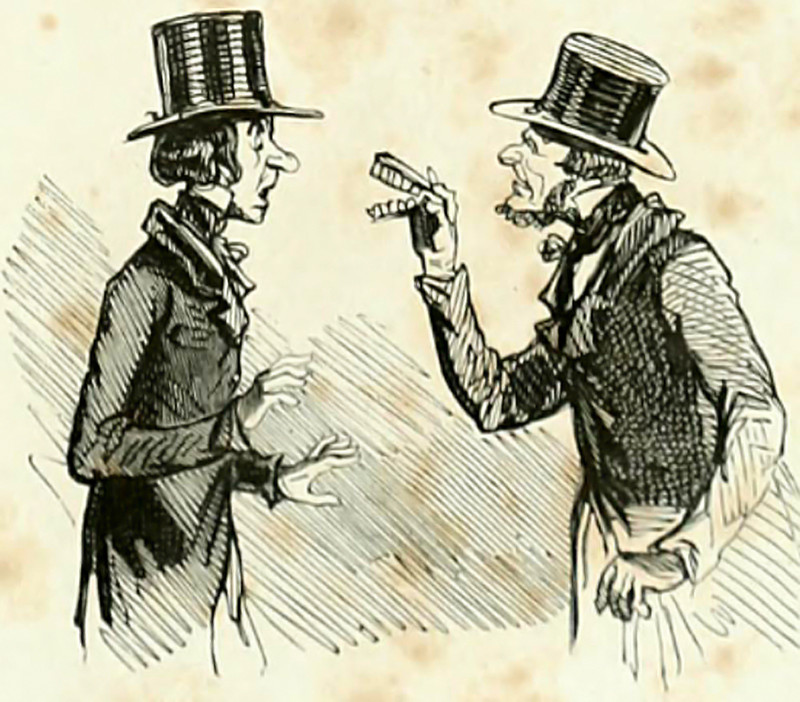
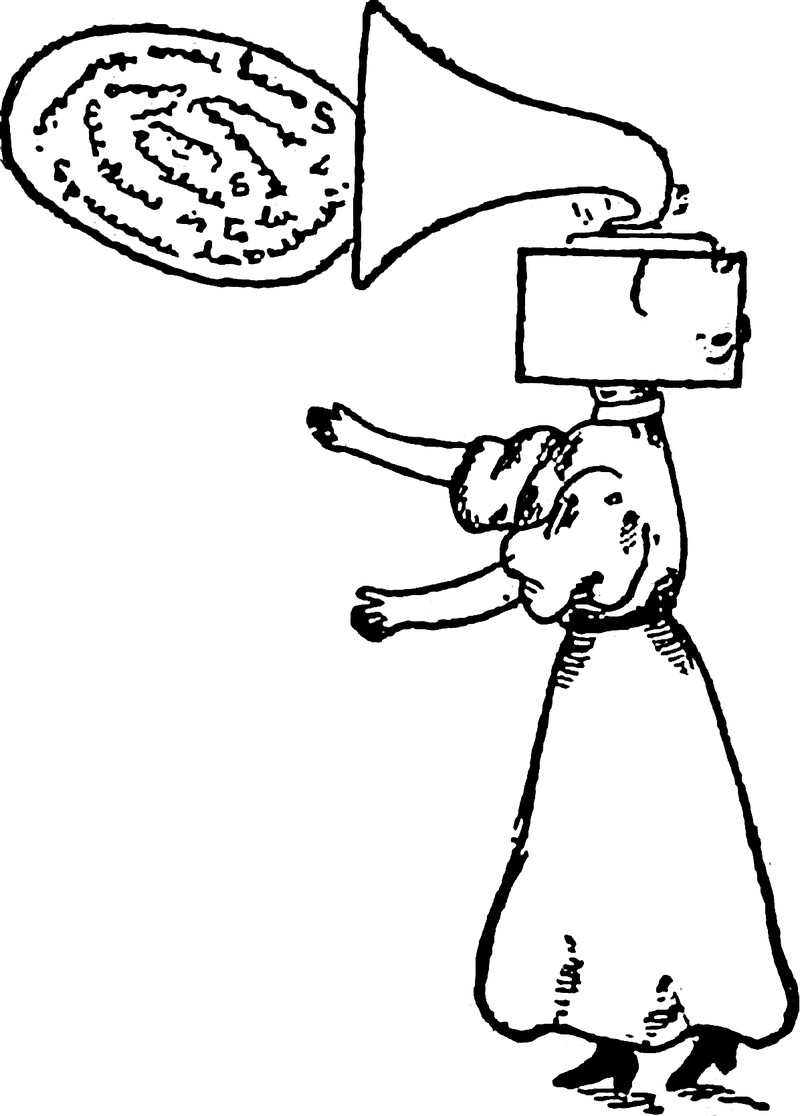
The wind-up false-teeth gag, " Yakity-Yak," dates back to 1950, but here's precursor from Cham journal, 1853.
|
|
Our Unicorn Book is Officially Accused of Being Too Esoteric, Like a Book of Spells! Huzzah!
This review of our Field Guide to Identifying Unicorns by Sound is a must-read, even if the critic (who didn't buy the book and who self-identifies as mentally ill) rated the book with a single star. We've identified that single star as the one Sappho called "the fairest of all the stars":
I have rented this book from my local library, and attempted to read it. I was expecting some semblance of argument for the reality of Unicorns as a species, or at the very least salient information on Unicorns. Instead, it should be said that this book is a work of esoterica, and could be classified alongside books of spells or psychic channeling. The entire book consists of instructions of various places and ways to sit down in the quiet of nature, and listen. According to the author, the reader is supposed to be listening for singing unicorns, anyone availed of folkloric or mythological knowledge, will find a distinct absence of singing unicorns from the works of Pliny, the Bible, and other books considered primary sources on unicorns (unless one counts the Shadavar, which undoubtedly sings, but whose nature as a true unicorn is tenuous). I'll give you an example of my own, one night in bed, I was convinced that my tinnitus was actually the result of me hearing radio waves, needless to say I was actually mentally ill at the time. I am not accusing the author of being crazy, but I will willingly accuse him of being very separated from skepticism and reality. If you obey this book, you would be sitting out in nature meditating, which is fine, but I doubt you will hear any singing unicorns unless you mistakenly convince yourself that you are hearing them. What is wrong with communing with nature via meditation, to simply experience nature and commune with it? You need no new age or esoteric beliefs to do THAT, in fact, even Atheists often admit a reverence for nature. In the words of Carl Sagan, the garden is just as wonderful, even if it does not have fairies at the bottom of it.
Yes, we're reframed this negativity into something positive, as part of our personal museum of coping mechanisms. Indeed, the writing life is full of foul challenges. See this video, in which we reveal our secrets for landing a major book deal, even if you don't have a best-selling idea, weren't born into the right families, and don't work very hard: https://youtu.be/GuvJpPTawGs
---
Adam writres:
I found A Field Guide to Identifying Unicorns by Sound to be a delightful excursion into my own mind and spirit. An exercise in thinking for myself and better understanding the world and my place in it. A journey that cannot end because I will never stop finding new questions to ask or roads to travel… I would suggest that this reader is like far too much of our society. Incapable of thinking for themselves. They expect to be told what to think and believe in then blindly follow the masses to do the bidding of the few in power. I believe these people should just stay confined in their Church of Facebook and leave reading books to those of us who still use our brain cells…
|
|
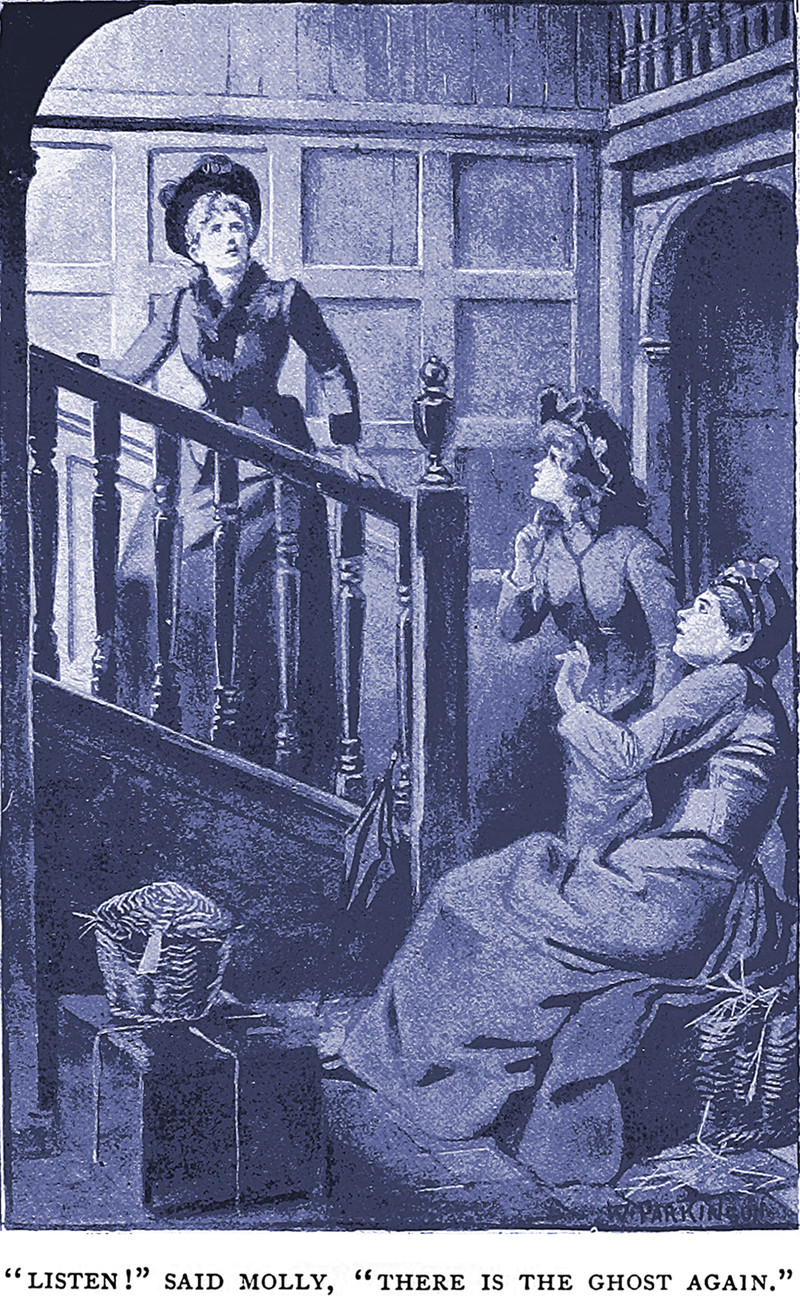
"'Listen!' said Molly, 'there is the ghost again." From Three Bright Girls by Annie E. Armstrong, 1892. |
|
|
|
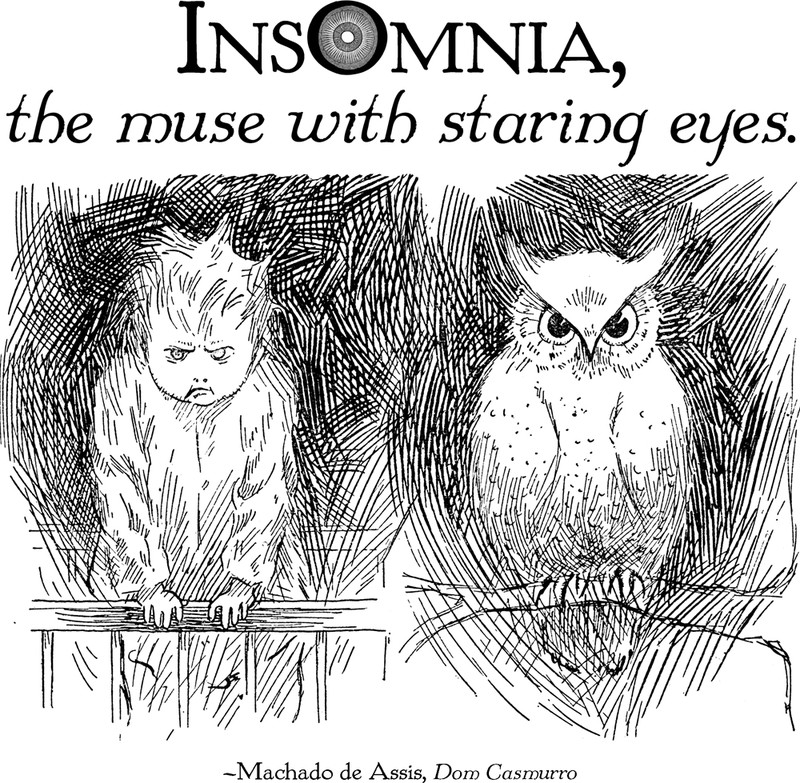
"I went to the window to ask of Night the reason why dreams must be so tenuous that they break and shred at the slightest opening of the eyes or turning of the body, and do not endure. Night did not answer me straightway. She was deliciously beautiful; low hills were pale with moonlight and the space died into silence. As I insisted, she made known to me that dreams were no longer under her juristiction. When they dwelt on the island that Lucian had given them, where she had her palace, and from whence she sent them forth with their faces of divers aspect, she might have given me possible explanations. The times had changed everything. The ancient dreams had been pensioned off, and the modern ones dwelt in a person's brain. And these, though they tried to imitate the former, could not do it: the isle of dreams, like the isle of love, and all the islands of all the seas, are now the object of the ambition and rivalry of Europe and the United States." —Machado de Assis, Dom Casmurro
|
Page 5 of 11
> Older Entries...
Original Content Copyright © 2026 by Craig Conley. All rights reserved.
|