|
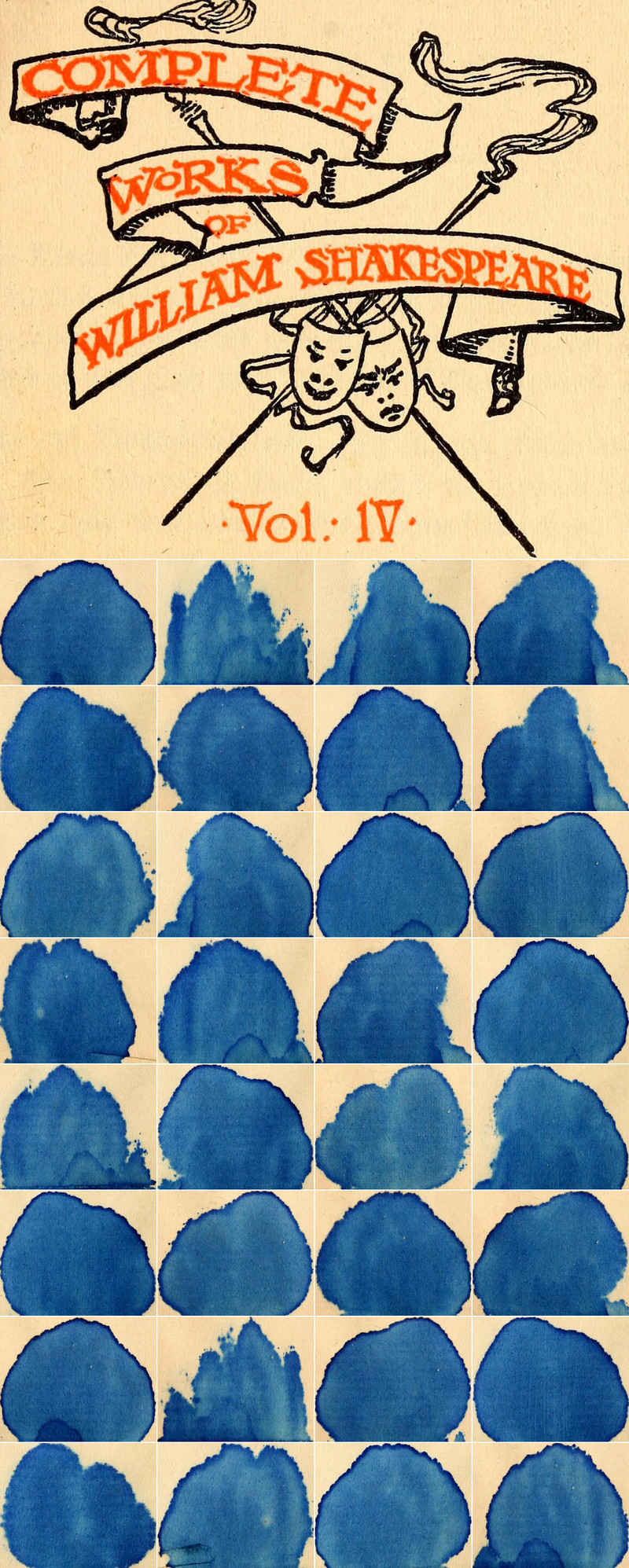
Thirty-two blue inkblots? It's the complete works of Shakespeare (volume four), as scanned by the Internet Archive. And if you're reading into those blots what we're reading into those blots, this is a rich literary collection, indeed! (Insert your own "Out, damn'd spot!" joke here.)
|
|
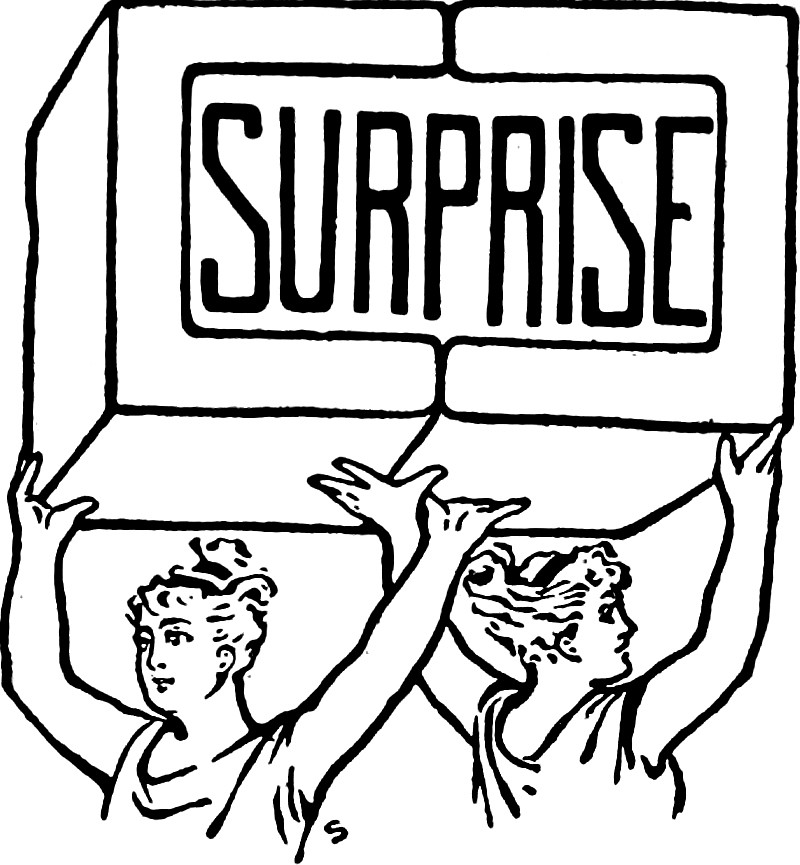
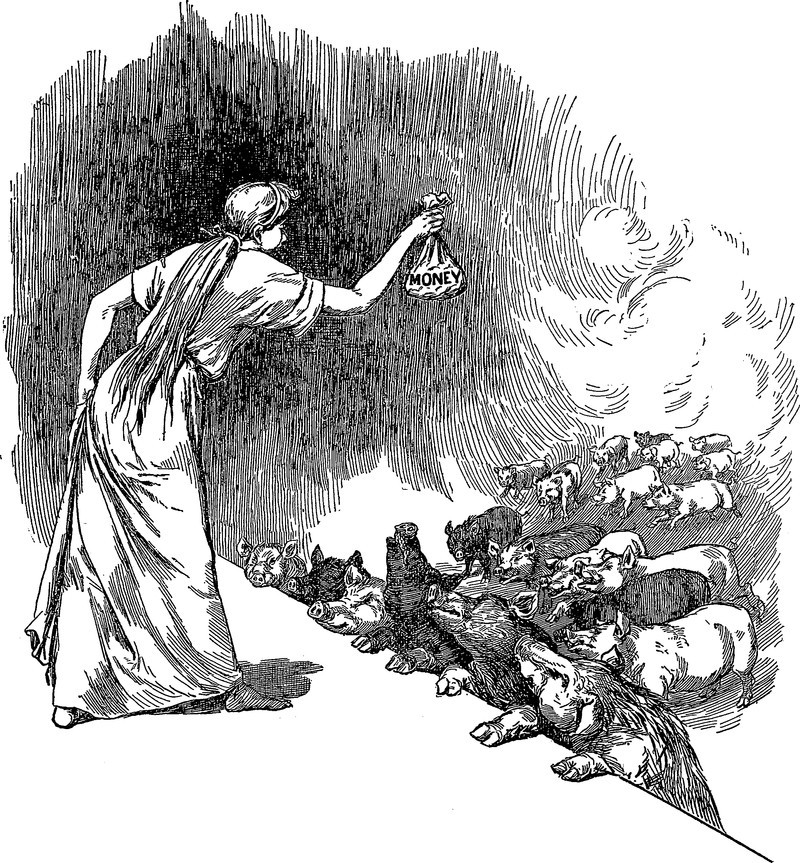
You know about caryatids, but what exactly they were holding up might be a surprise. From Canadian Grocer, 1892.
|
|
|
|
|
|
We're honored that the computer game we programmed in 1980, in which one raises a virtual exotic flower, is a precursor to a new video game called Viridi, in which one raises virtual succulents.
|
|
| I Found a Penny Today, So Here's a Thought |
(permalink) |
|
|
|
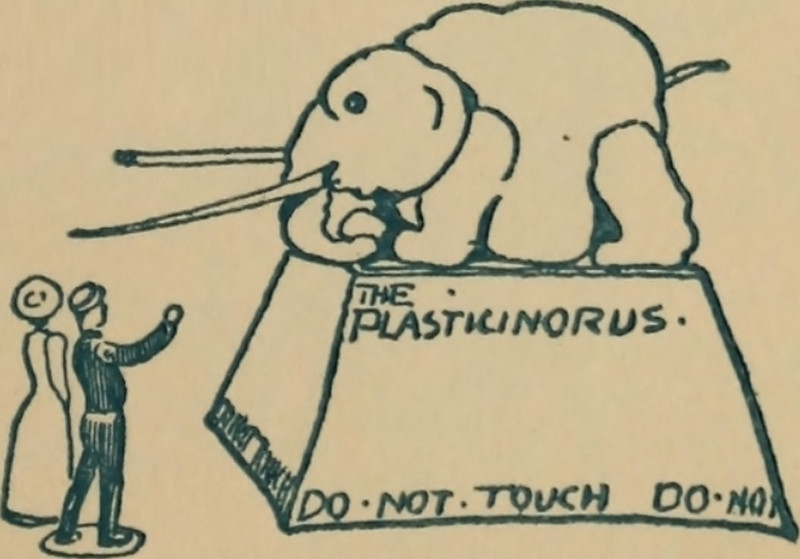
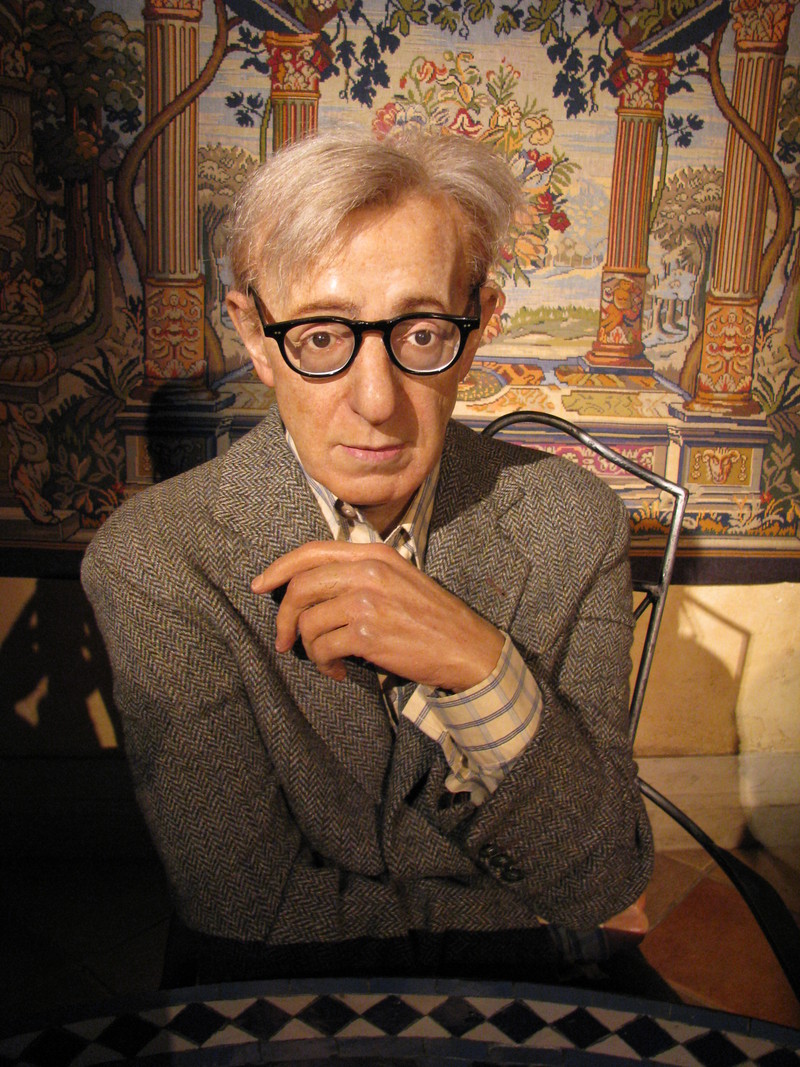
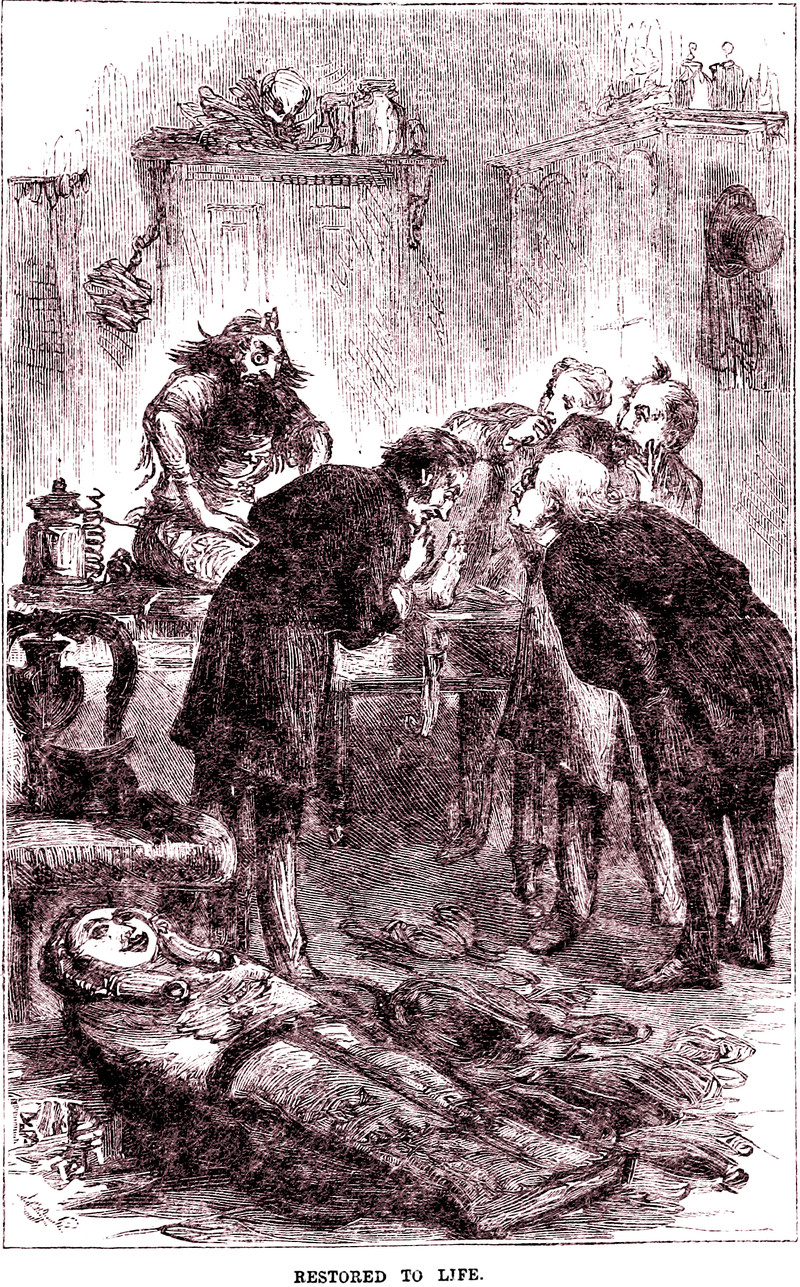
We once tried to buy a photograph of Woody Allen. We called the photographer to ask about availability, and he laughed at us. "That's not Woody Allen," he explained condescendingly. "That's a wax figure of Woody Allen." Then he began hemming and hawing, talking about how much trouble it would be to find the negative and make a print. (Artists, bless 'em, can be real pieces of work themselves.) Flustered by the entire conversation, we politely told him not to put himself out and decided not to pursue the acquisition. But here's the lingering question: had the photo been of Woody Allen himself and not an uncannily lifelike wax figure, might we have worked past the photographer's primadonna attitude and secured a print? I mean, we loved the photo, but did it feel somehow less authentic in its waxy afterglow? Here's what we do know about wax figures:
- "Every day a wax figure is taken for a live man, and live people are mistaken for wax." —Richard Panchyk, New York City History for Kids, 2012
- "The complexion of a wax figure is indeed a work of art." —American Cloak and Suit Review, 1918
- "A wax figure is not cheap, especially a good one." —Dry Goods Reporter, 1906
- "A wax figure is a material thing." —L. W. Forguson, "Has Ayer Vindicated the Sense-Datum Theory?"
- "A wax figure is understood by us as something constructed by an intelligent mind." —Jehangir Nasserwanji Chubb, Faith Possesses Understanding, 1983
And yet:
|
|
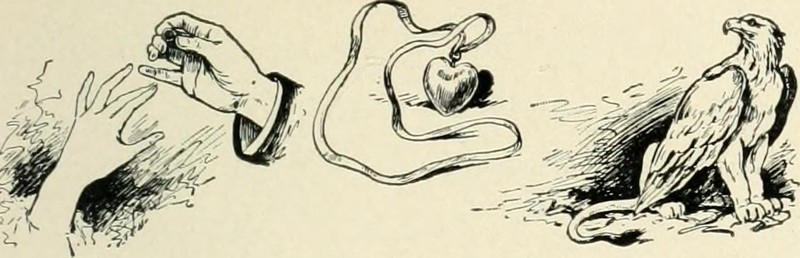
Can you guess why a griffin is depicted alongside a wedding ring and a heart locket? Pomponius Mela explains: "G riffins, a savage and tenacious breed of wild beasts, love—to an amazing degree—the gold that is mined from deep within the earth" (Pomponius Mela's Description of the World by Frank Romer, 1998).
|
|
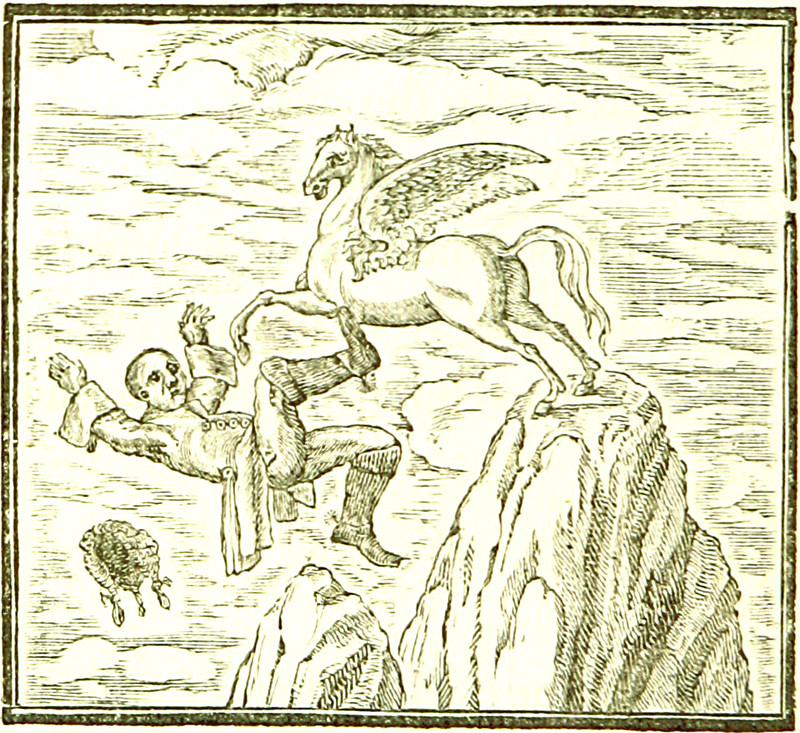
Here's a guilty-looking Pegasus from Poems by Robert Lloyd, 1762.
|
|
|
|
|
|
|
|
| Hindpsych: Erstwhile Conjectures by the Sometime Augur of Yore |
(permalink) |
|
|
|
It's been said that theatre reveals what is behind so-called reality and that a text exists only as an event that reveals the reader’s self. And so we present our new Mimetic Oracle, which draws from 92 characters in six vintage plays, with 166 spoken lines and 31 stage directions in the mix. With the system, you randomly draw five characters and generate a script to illuminate whatever drama of life you find yourself in. There’s a detailed F.A.Q. which explains how the scripts are created, how to make sense of the dialogues, how to determine whether a reading is positive or negative, what to make of the various characters, and why these specific 6 plays were chosen for the system: http://www.mysteryarts.com/play/.
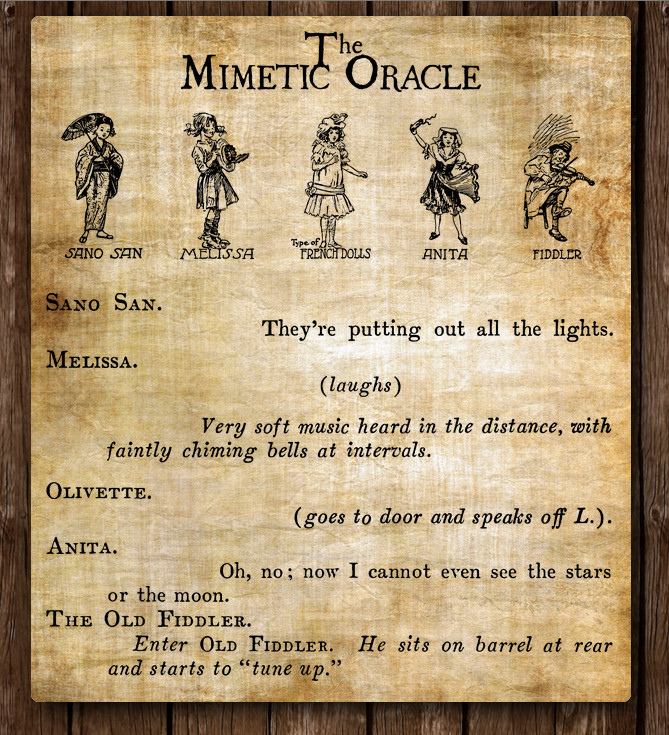
We generated a reading concerning the blood moon this evening:
Our scene begins somewhat ominously, with a deepening darkness: “They’re putting out all the lights.” We aren’t told who “they” are, but there’s a force beyond our immediate control that is behind the darkness. But then a character laughs, and soft music is heard in the distance along with some faintly chiming bells, so the feeling is less sinister than we might have first felt. Another character bemoans that it’s so dark she can’t even see stars or the moon, yet at that moment an old fiddler comes on stage, sits on a barrel, and begins tuning up. So the darkness isn’t foreboding but rather in preparation for a musical performance; house lights go down in advance of stage lights coming on. The fact that the scene ends with a fiddler indicates that there will be harmony. This is a decidedly positive reading, assuring us that any darkness associated with the blood moon is merely preparatory to something favorable.
|
|
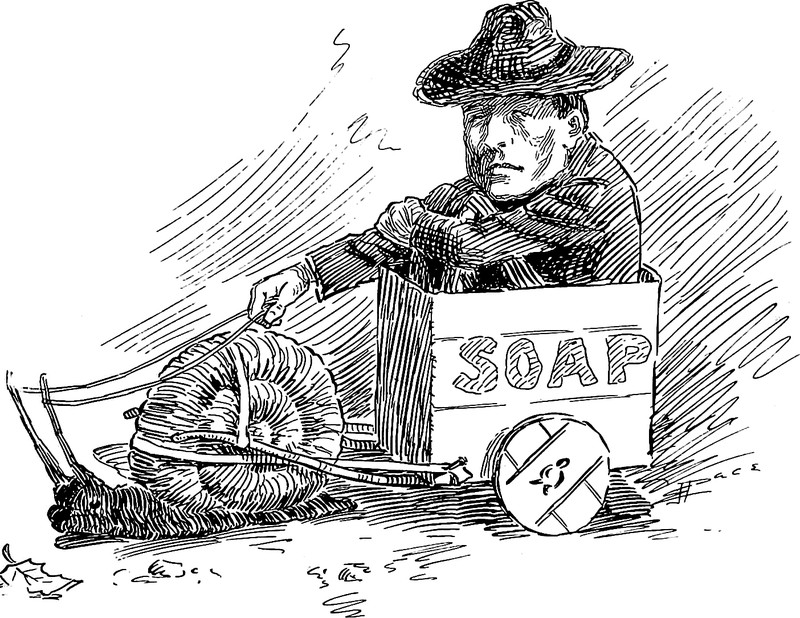
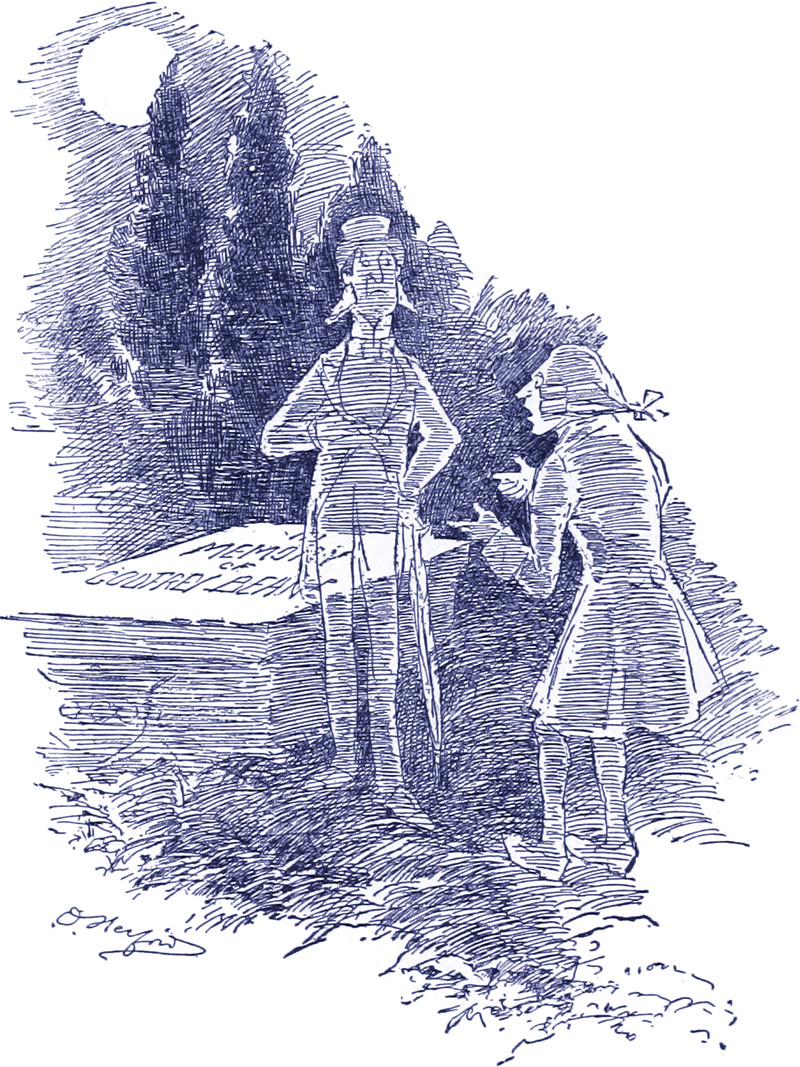
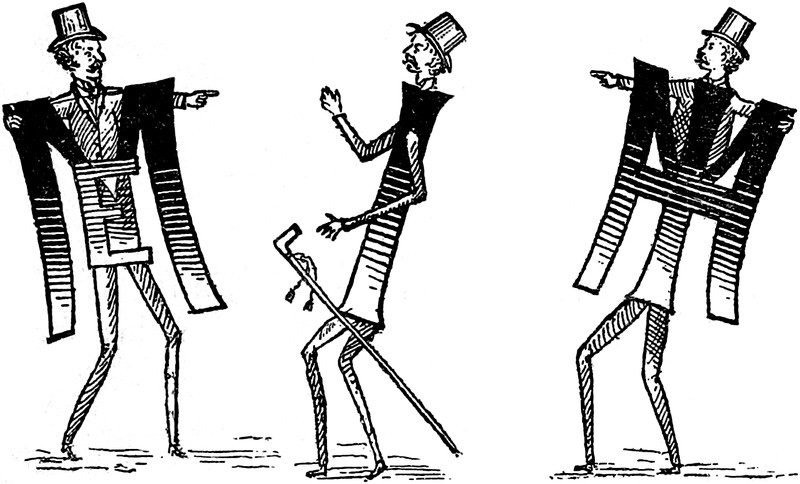
I, Me, and Him, 3rd edition, 1891.
|
|
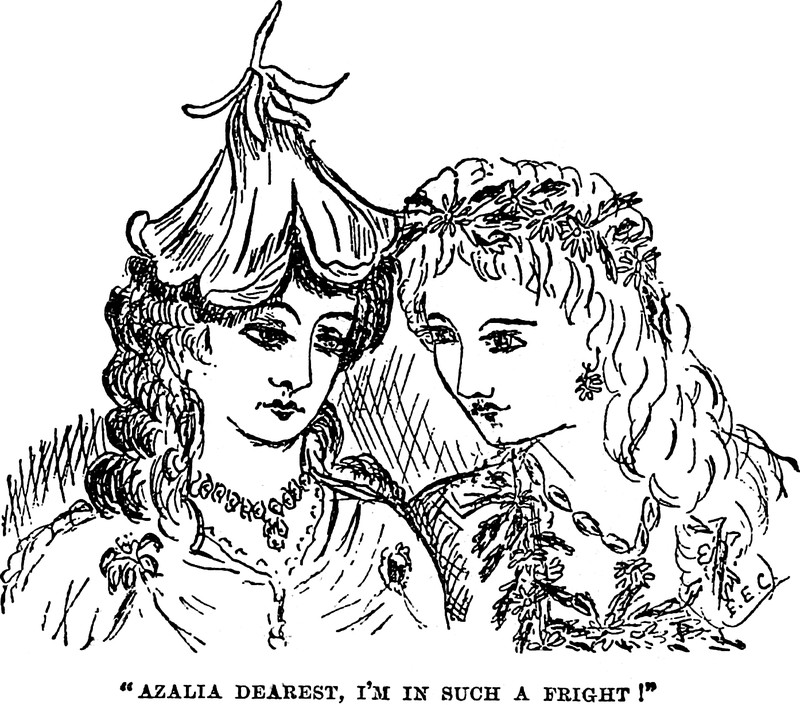
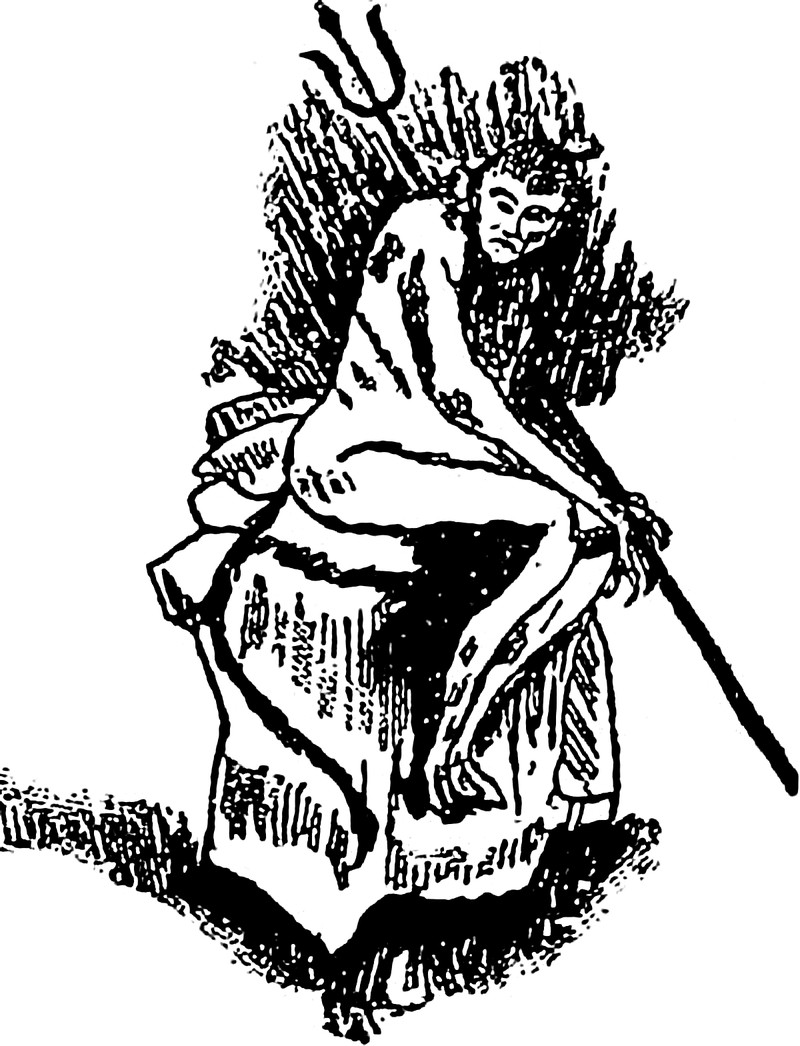
From the Guidon of the State Female Normal School, Farmville, Virginia, 1909.
|
Page 3839 of 4334
Original Content Copyright © 2026 by Craig Conley. All rights reserved.
|