|
| I Found a Penny Today, So Here's a Thought |
(permalink) |
|
|
|
"I'm afraid ... the more absences there are, the more things are possible. And so if there's an absence the size of God, then there probably isn't anything so appalling that we can count on not meeting it." — Tim Powers, The Stress of Her Regard (the astonishing secret history of the tragic lives of the Romantics) |
|
From Prof. Oddfellow's sketchbook:
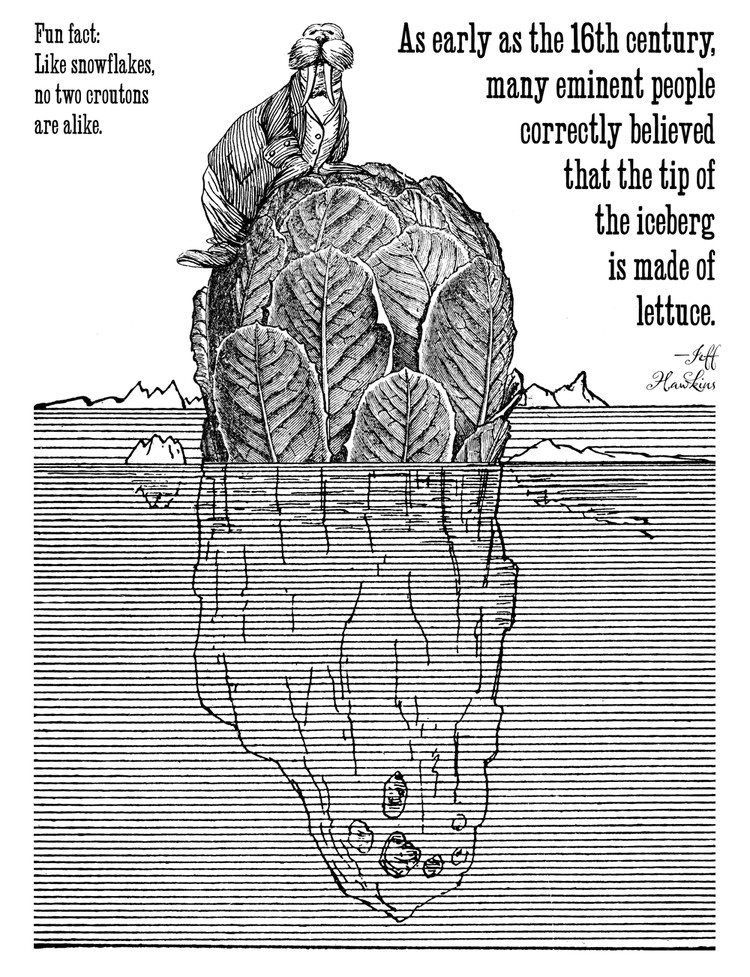
Inspired by and for Jeff Hawkins. The caption reads: "As early as the 16th century, many eminent people correctly believed that the tip of the iceberg is made of lettuce. Fun fact: Like snowflakes, no two croutons are alike."
|
|
|
|
|
|
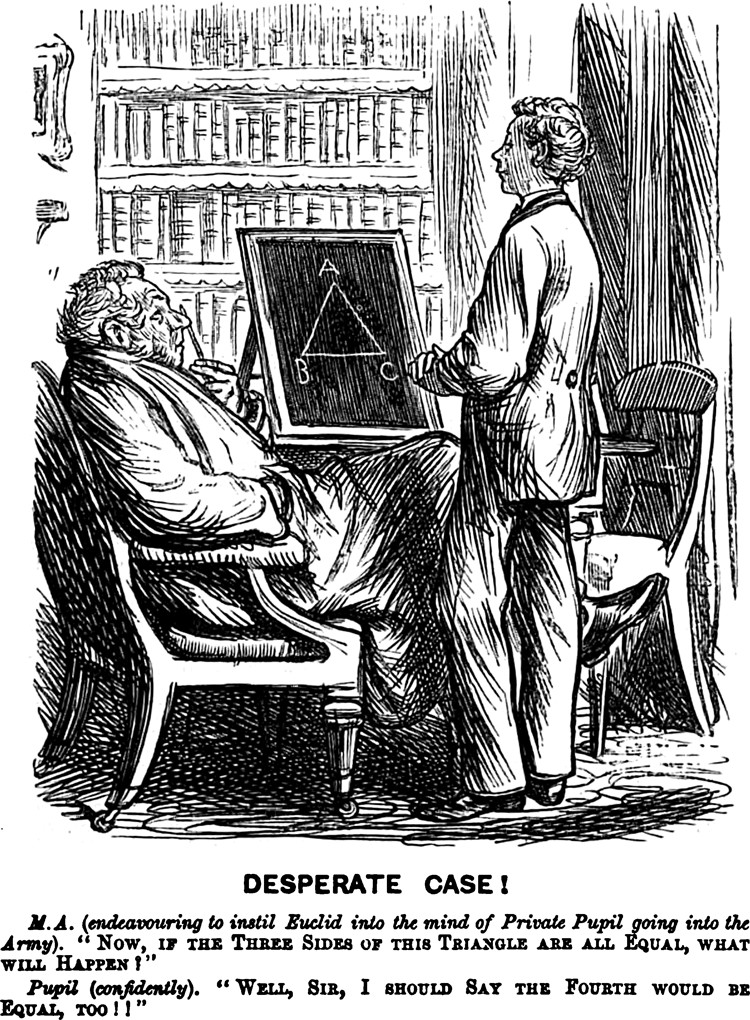
The (seemingly improbable) fourth side of a triangle, identified in this comic panel from Punch (1871), wasn't officially measured until 1993 by the University of Adelaide's B. F. Sherman ( Mathematics Magazine, Vol. 66, No. 5). |
|
|
|
|
|
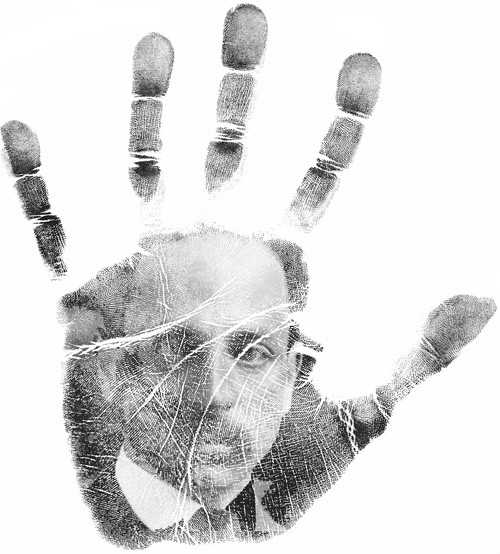
Q: Why didn't Rilke just write, "Consider your life sacred. Consider all other lives sacred." Why did he have to be such an asshole? (asks William Keckler) A: "Rilke was distressed because he could not find an adequate German word for 'palm of hand.'" [He rejected Handfläche, flats of the hand, and the archaic Handteller, hollow of the hand.] (André Gide via Beckett via Mark Nixon.)
|
|
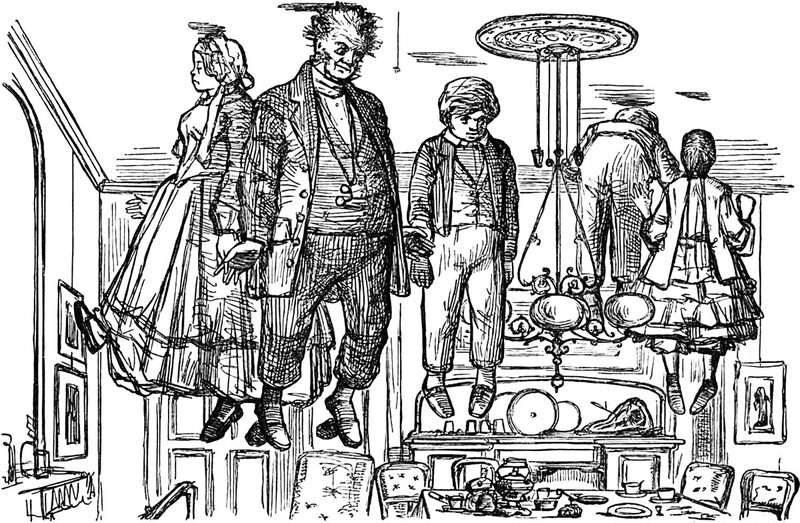
An illustration from an 1860 issue of Punch magazine. |
|
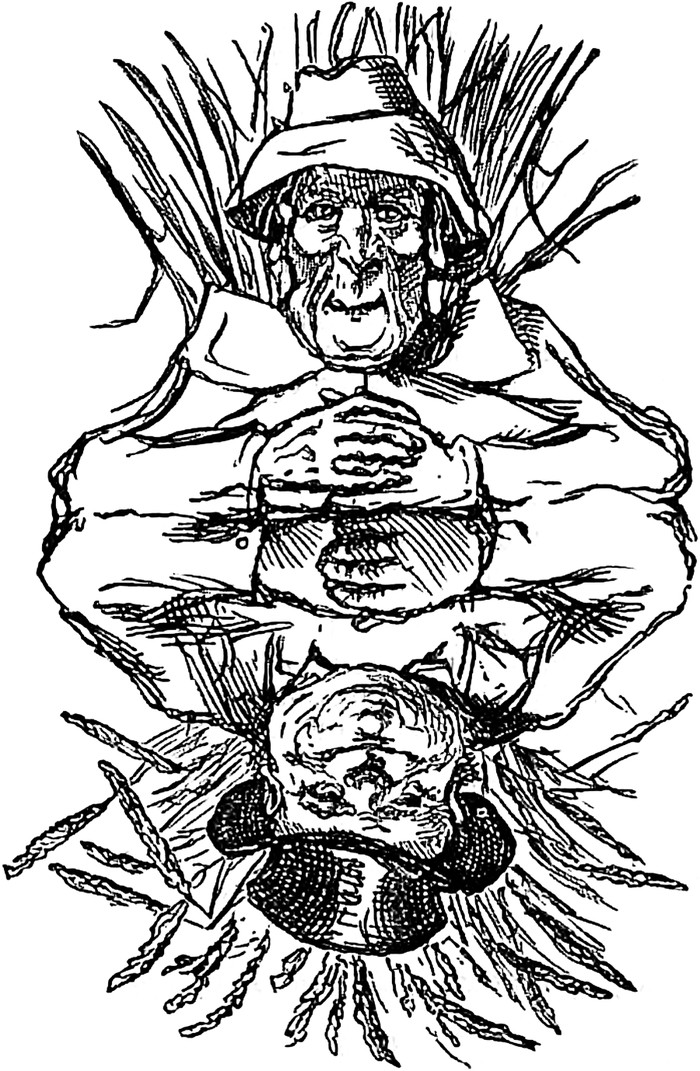
Feast and famine, windfall and shortfall, prosperity and hardship, abundance and scarcity: a twofold wheat spirit from Punch, 1868. |
|
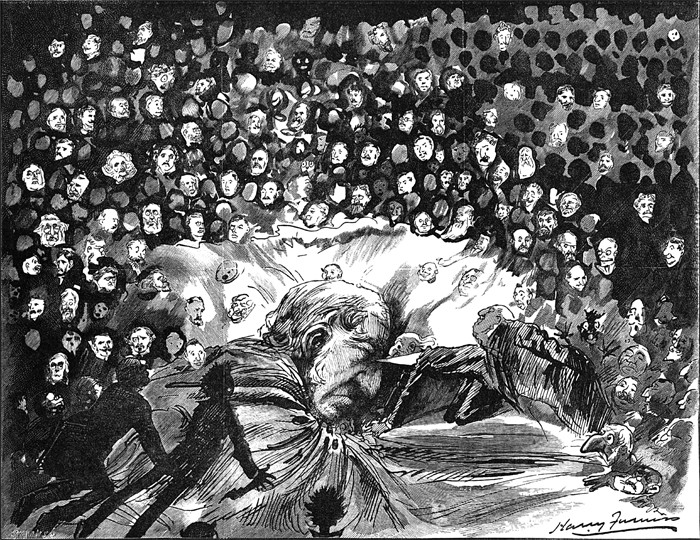
"I had been dreaming a crowded dream full of unfamiliar characters—people I hadn't had time, or whom it hadn't seemed necessary, to name or even make distinct from one another. It was a mob, practically, but its intent was unclear. For what purpose had they congregated?" — Rebecca Wolff, The Beginners (2011) This depiction of a crowded dream is from Punch, 1893. |
|
|
|
|
|
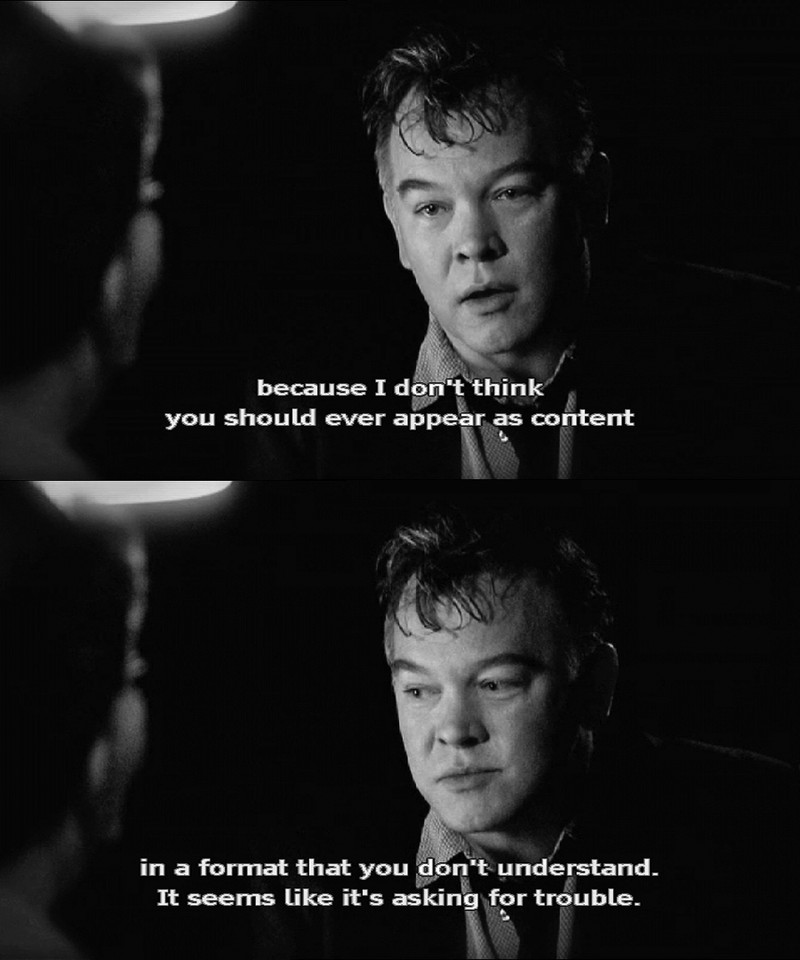
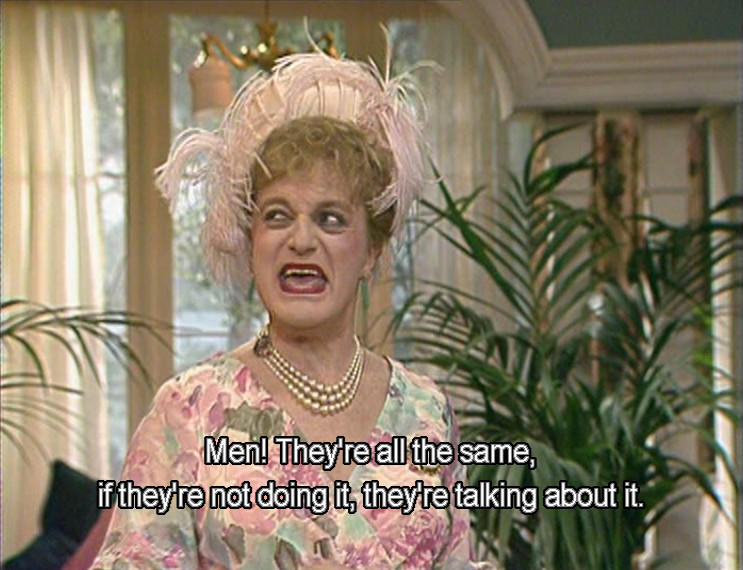
"Men! They all the same, if they're not doing it, they're talking about it." A still from Dear Ladies, series one. |
|
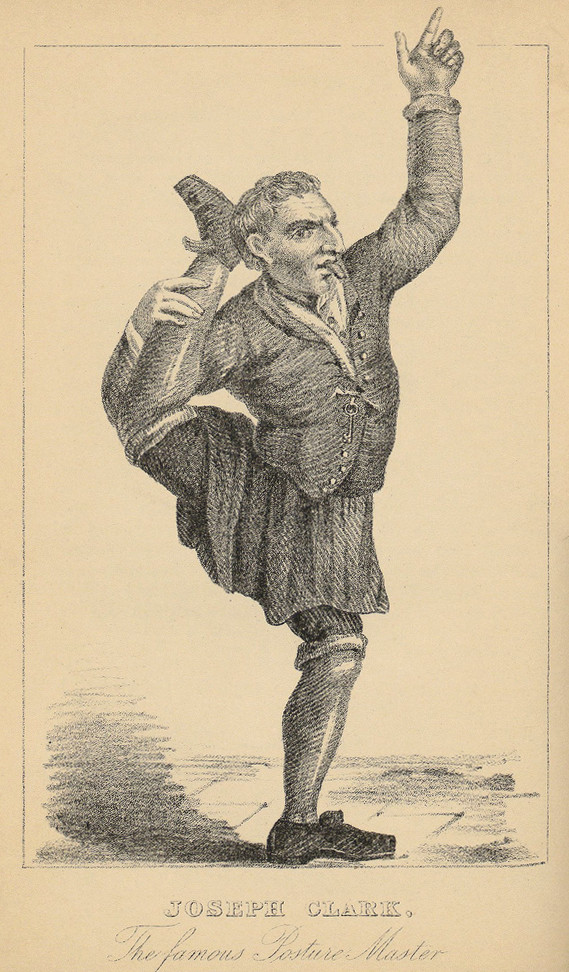
Joseph Clark, The Famous Posture-Master, depicted in The Book of Wonderful Characters: Memoirs and Anecdotes of Remarkable and Eccentric Persons in all Ages and Countries, Chiefly from the Text of Henry Wilson and James Caulfield, 1869. Image via Bibliodyssey.
|
|
| I Found a Penny Today, So Here's a Thought |
(permalink) |
|
|
|
"The truly creative mind in any field is no more than this: A human creature born abnormally, inhumanly sensitive. To him ... a touch is a blow, a sound is a noise, a misfortune is a tragedy, a joy is an ecstasy, a friend is a lover, a lover is a god, and failure is death. Add to this cruelly delicate organism the overpowering necessity to create, create, create -- so that without the creating of music or poetry or books or buildings or something of meaning, his very breath is cut off from him. He must create, must pour out creation. By some strange, unknown, inward urgency he is not really alive unless he is creating." — Pearl S. Buck |
Page 4028 of 4336
Original Content Copyright © 2026 by Craig Conley. All rights reserved.
|





 "If you've never made a personal balance sheet before, you may be quite surprised at your net worth."