|
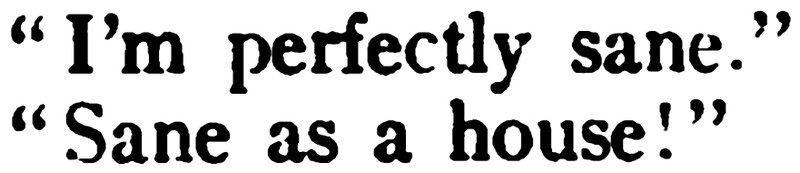
You've heard of being "safe as houses," but here's someone "sane as a house," which is a Googlewhack. From "My Wife's Wedding Presents" by Owen Johnson, in Pearson's, 1910.
|
|
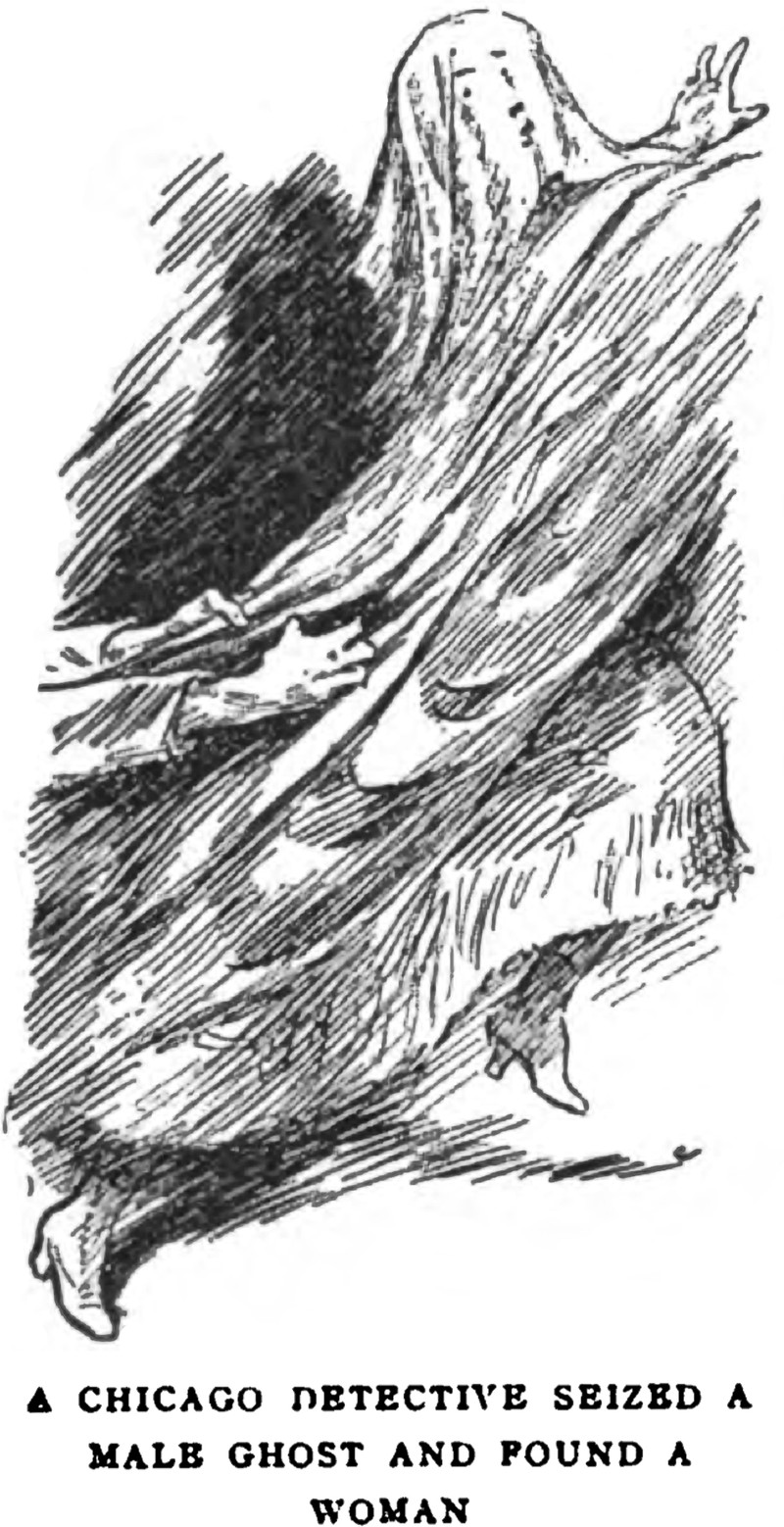
Here's a vintage transsexual sheet ghost. "A Chicago detective seized a male ghost and found a woman." From Pearson's, 1908.
|
|
INSTRUCTIONS: Click to reveal the companion shapshot. 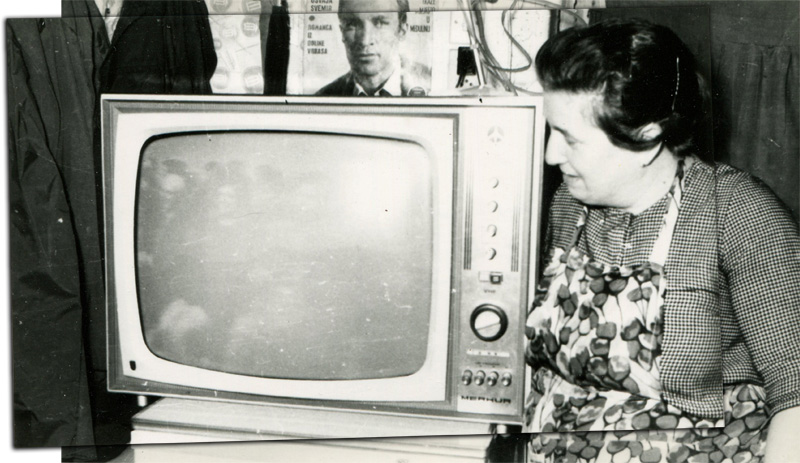
|
|
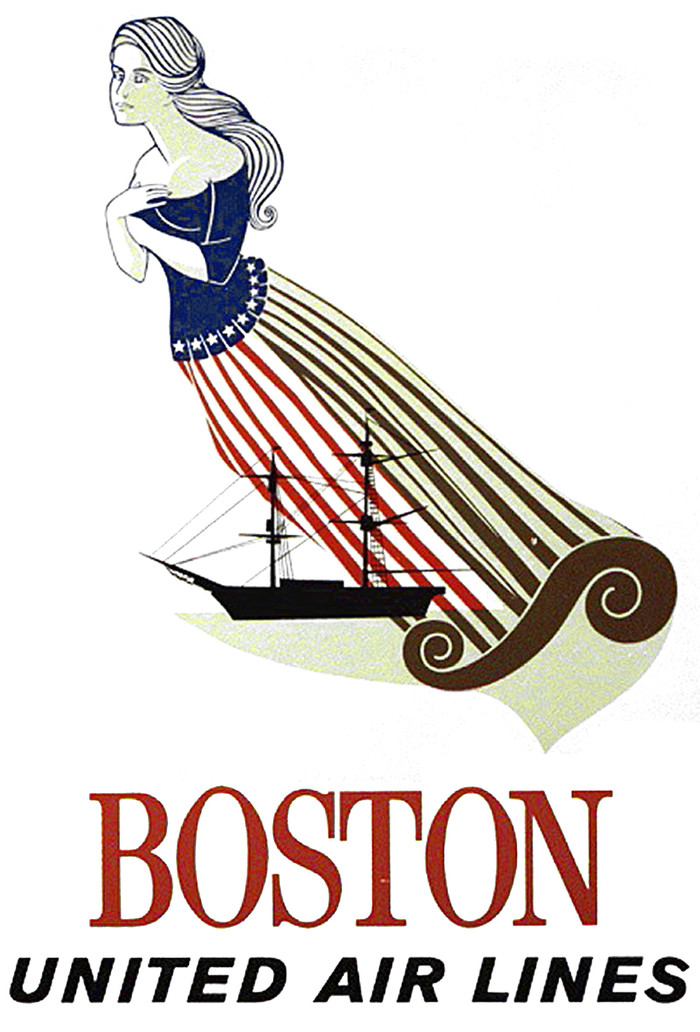
You've heard of putting the cart before the horse, but here's the ship before the figurehead. Date uncertain.
|
|
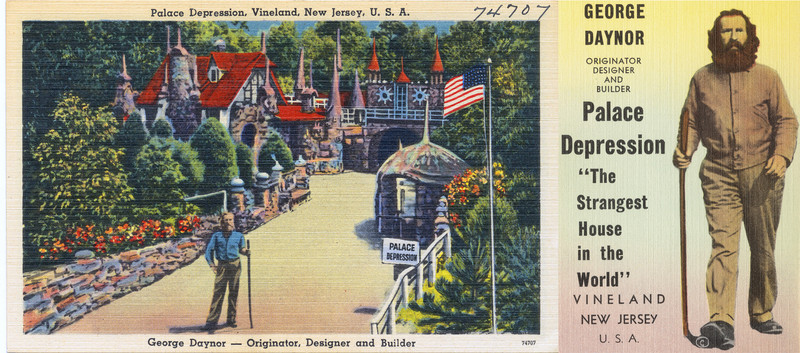
"Palace Depression, the strangest house in the world."
|
|
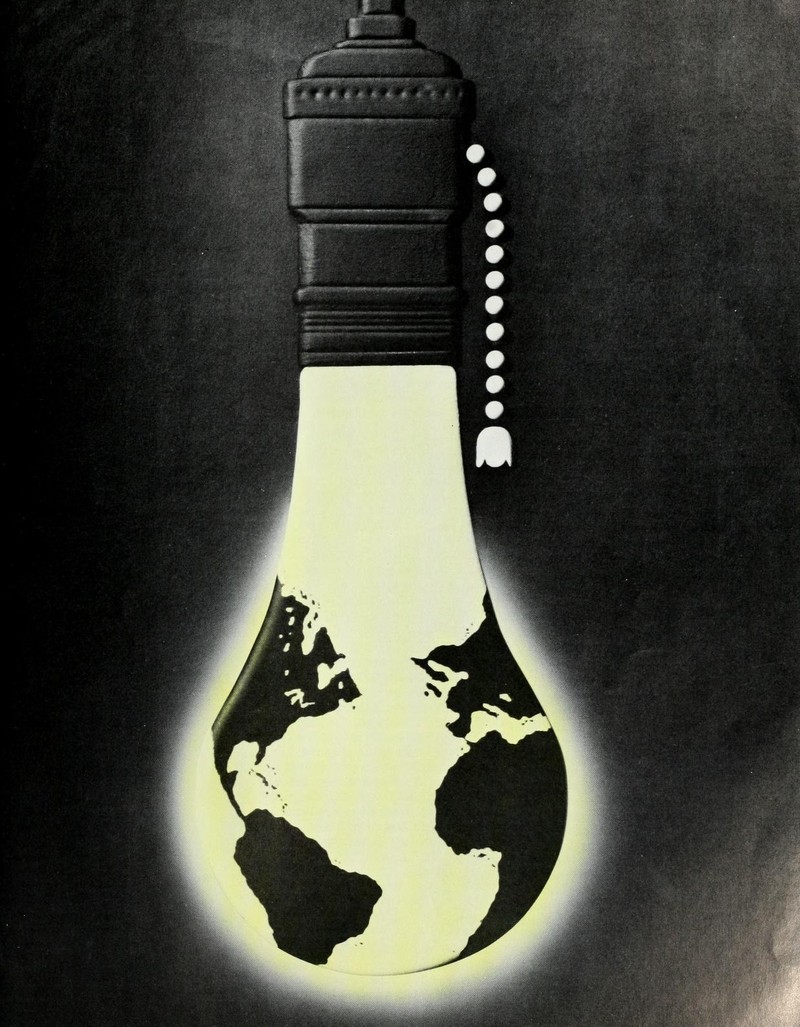
It's commonly believed that the world's longest-lasting light bulb is the Centennial Light in Livermore, California, having glowed for 113 years. But we know better, that the earth itself is the longest-lasting light bulb (and hence our looming fear of the lights going out in Georgia [again], for, like the font, Georgia is everywhere [except Linux]). From Bell Telephone Magazine, 1972.
|
|
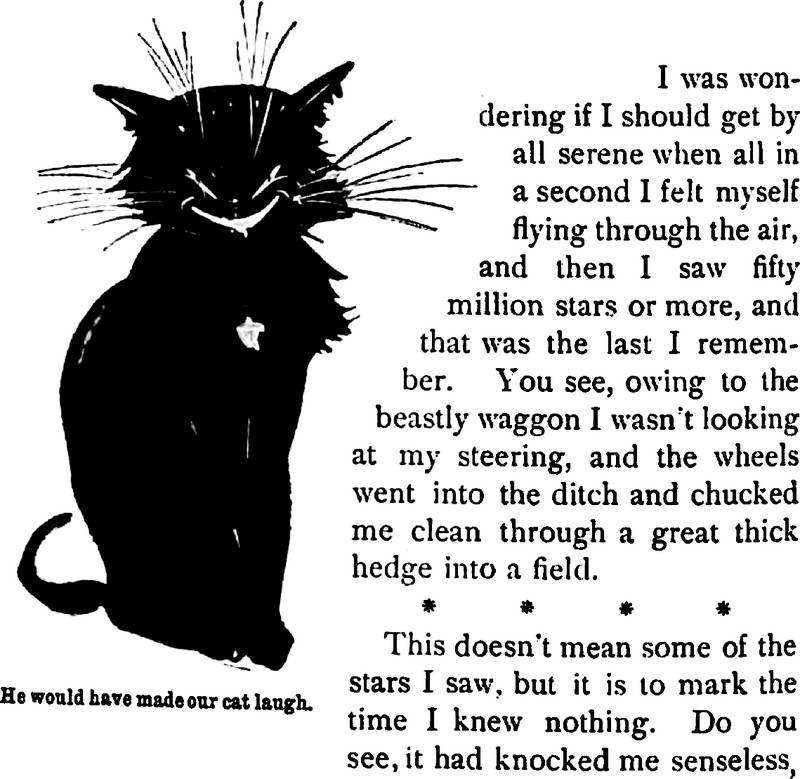
Long-term ex-readers of ours will recall that we love interpreting rows of section-break dots and asterisks as illustrations for the text above or below them. (In fact, we published an entire book of such interpretations, Annotated Ellipses: Revealing A Hidden Dot-To-Dot Game Within A Novelist's Eccentric Punctuation). But here's an example of the very opposite. The narrator experiences a roadside accident and sees fifty million stars, then notes that the row of asterisks does not represent said stars but rather a period of unconsicousness. From Pearson's, 1904.
|
|
Philosopher Gilles Deleuze suggests that there's a one-of-a-kind sort of nonsense in the magic word abraxas: it is an immobilized "pure thought" and the "highest finality of sense," like a seemingly-nonsensical one-word simile, the paradoxical conclusion of an infinite regression of propositions (a is like b, and b is like c, and c is like d, and so on forever). "There is only one kind of word which expresses both itself and its sense—precisely the nonsense word: abraxas" (Difference and Repetition [1995]).
|
|
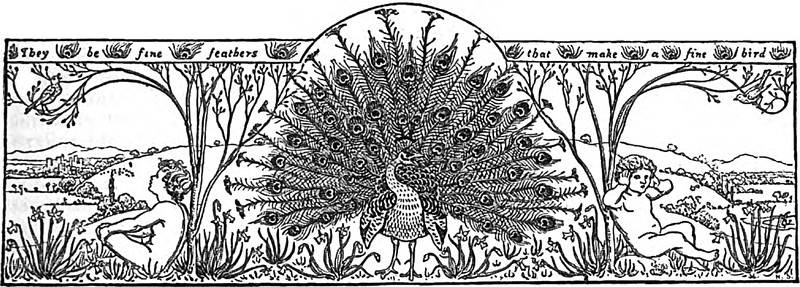
Does this mean "see no peacock; hear no peacock?" We can't say. From English Illustrated, 1889.
|
|
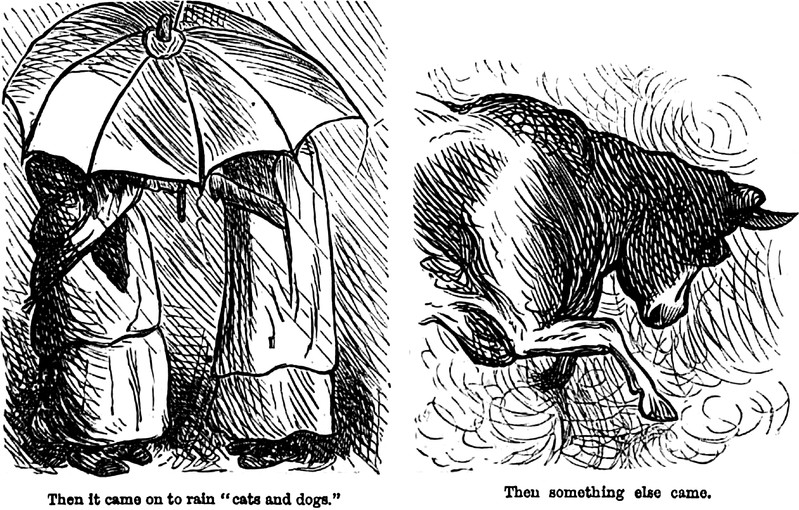
"Then it came on to rain 'cats and dogs.' Then something else came." From Judy, Or The London Serio-Comic Journal, 1872.
|
|
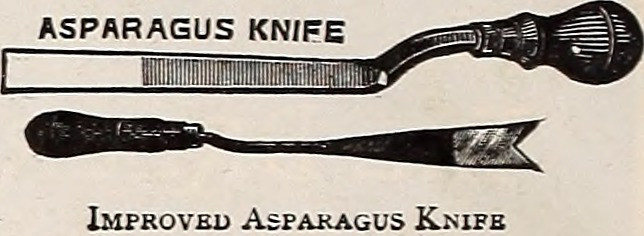
You know your butter spreader from your dessert knife, your steak knife from your fruit knife ... but did you know to use your asparagus knife not at the table but in the garden? Our image is from Dreer's Garden Book, 1917.
|
Page 14 of 21
> Older Entries...
Original Content Copyright © 2026 by Craig Conley. All rights reserved.
|