|
|
 |
|
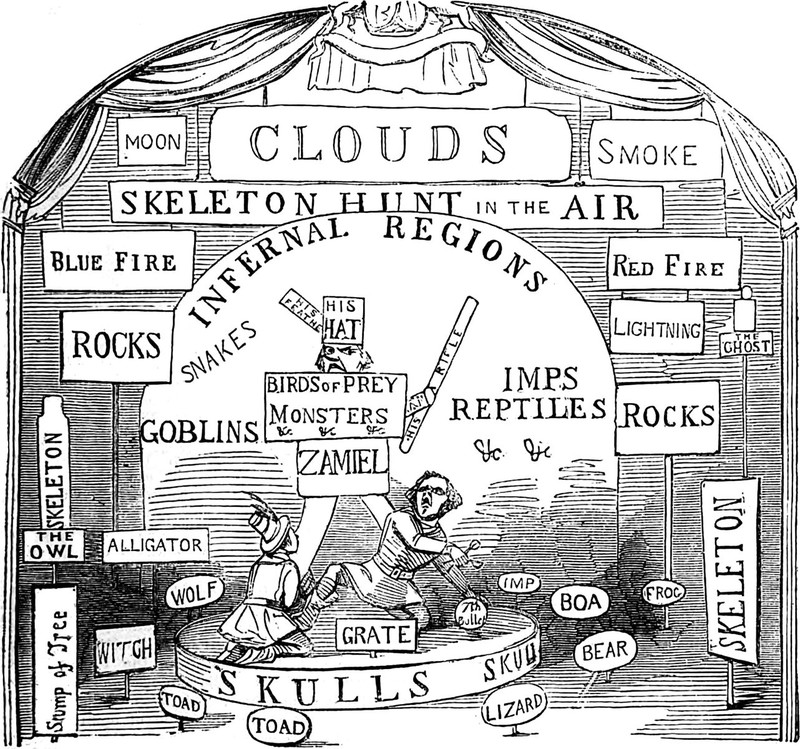
An illustration from an 1844 issue of Punch magazine. The items named include: "Moon, clouds, smoke, skeleton hunt in the air, blue fire, rocks, red fire, lightning, infernal regions, snakes, his hat, his feather, his rifle, birds of prey, monsters, goblins, imps, reptiles, Zamiel, alligator, the ghost, the owl, skeleton, stump of tree, witch, wolf, toad, skulls, grate, 7th bullet, lizard, boa, bear, and frog." |
|
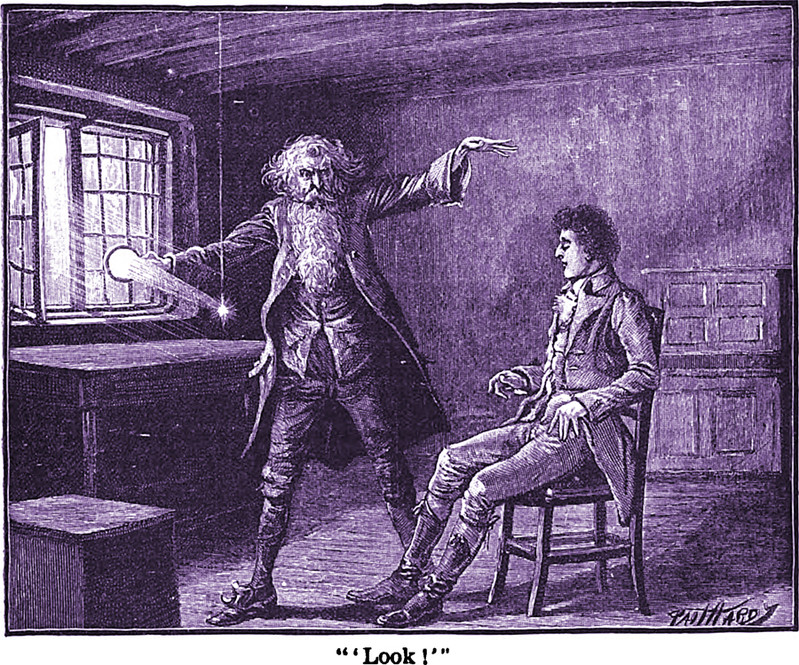
The context for this illustration is rather lovely. A Jewish mystic fixes a precious opal in a frame "not unlike that of a looking glass," hangs it on a silk thread attached to the ceiling, and then opens a window to allow in a stream of sunlight. "It was never known what the old Jew said, but he whispered to the stone just as if it could hear, and then said to his son, 'Thou seest that that crystal focuses the light from heaven, and thou seest that the focus is at the end of this silken thread. Now, this precious opal will go forth in search of truth, and it will tell thee whether this marriage, if it be undertaken, will be for thy good or not. Thou must sit with closed eyes at the other side from the crystal; the rays from the sun will fall direct upon the gem when it is at rest; then when I tell thee to open thine eyes, mark well the colour thou first seest, and, according to that, we will settle how this matter is to be.'" The mystic then swings the gem to and fro, like a pendulum, then leaves it to itself. "Gradually its oscillations became less and less, until at last, just as he was getting somewhat impatient, the young man heard a quick, sharp word, 'Look!' and he opened his eyes and fixed them upon the stone. A blue blaze of fire met his eye, blue as the heavens, bright as the sun in those heavens." Yellow would have indicated gold. Red would have been danger. Blue meant: "Prize above all its heavenly hue; It guides to what is just and true." (The Quiver, 1889, p. 871.)
|
|
|
|
|
|
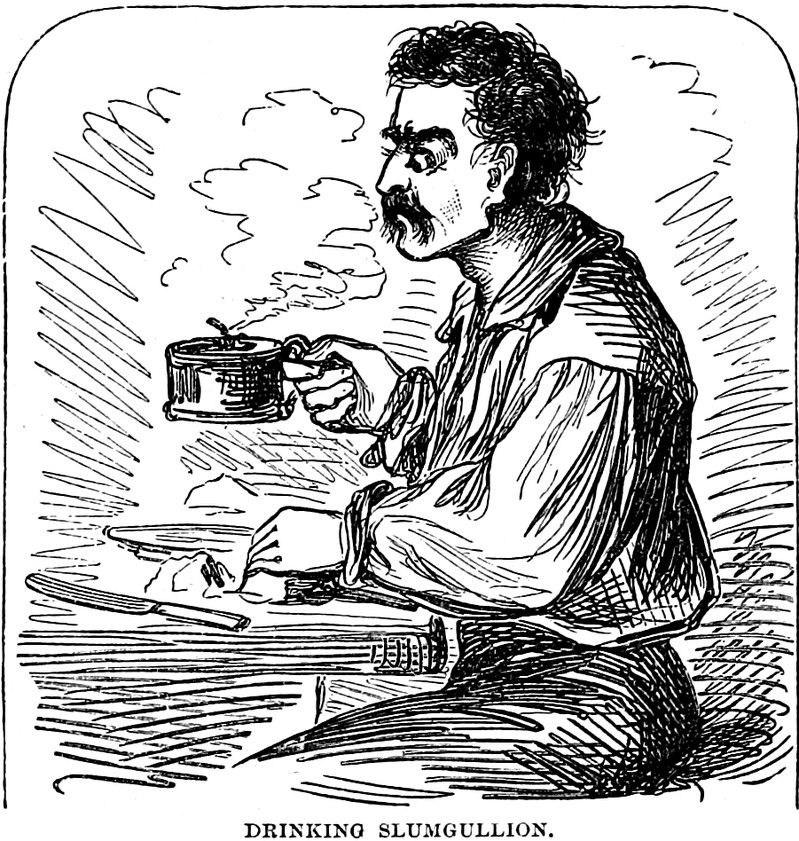
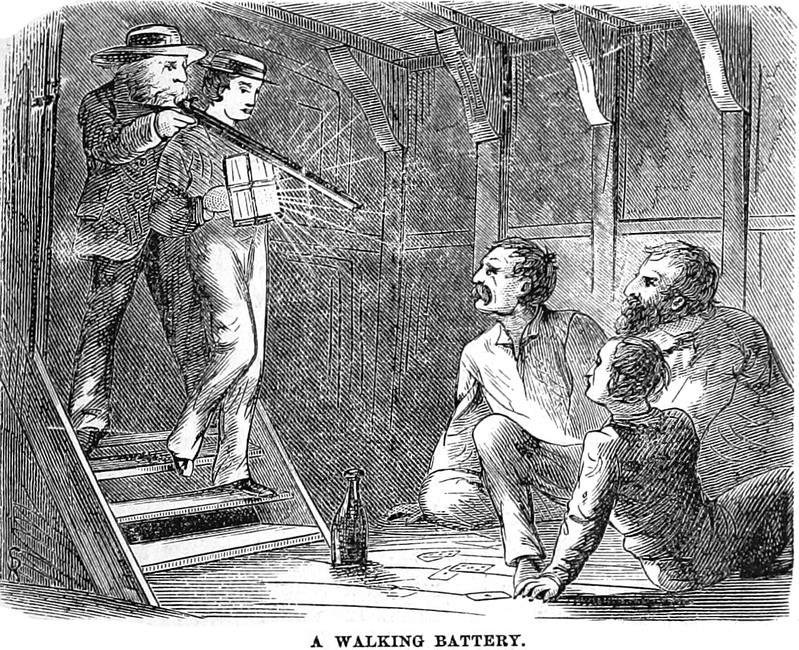
Merriam-Webster suggests that the first known use of slumgullion (a meat stew reminiscent of the slime [ slum] from a cesspool [ gullion]) was 1890. We can do better than that, with this one from 1872, in Mark Twain's Roughing It. |
|
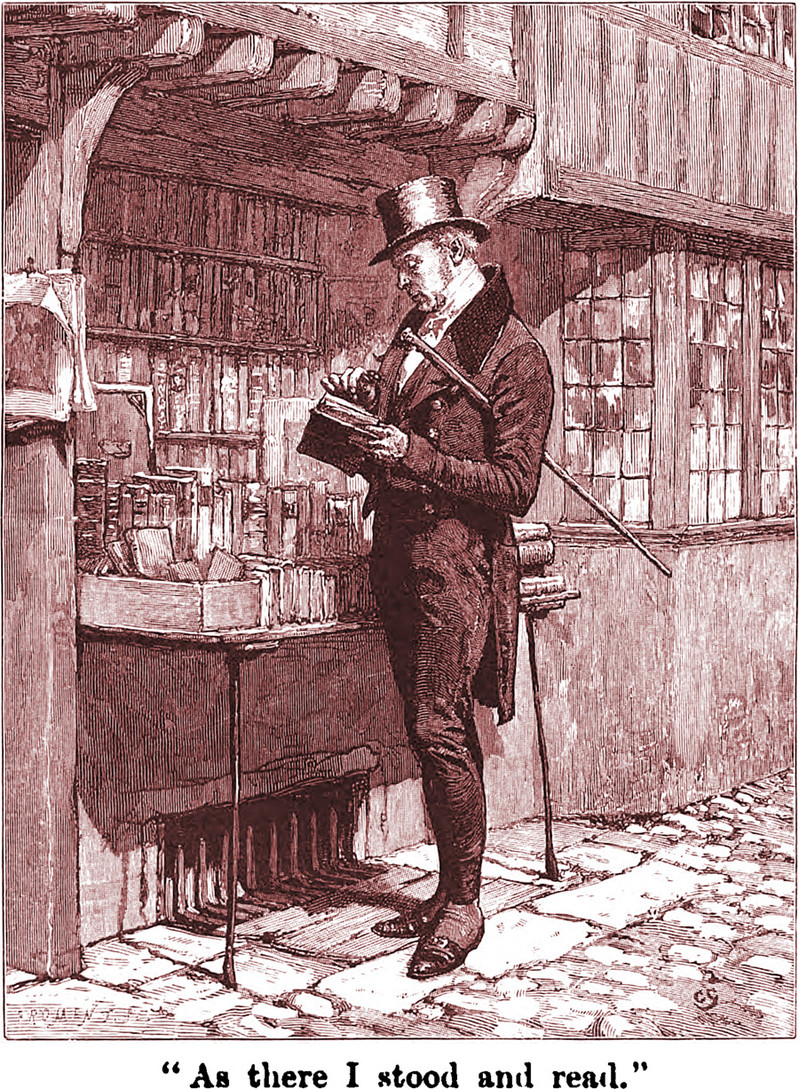
Inspired by the caption of this illustration from The Quiver, 1878, here's an alternative to the phrase, "As I live and breathe!": "As I stand and read!"
|
|
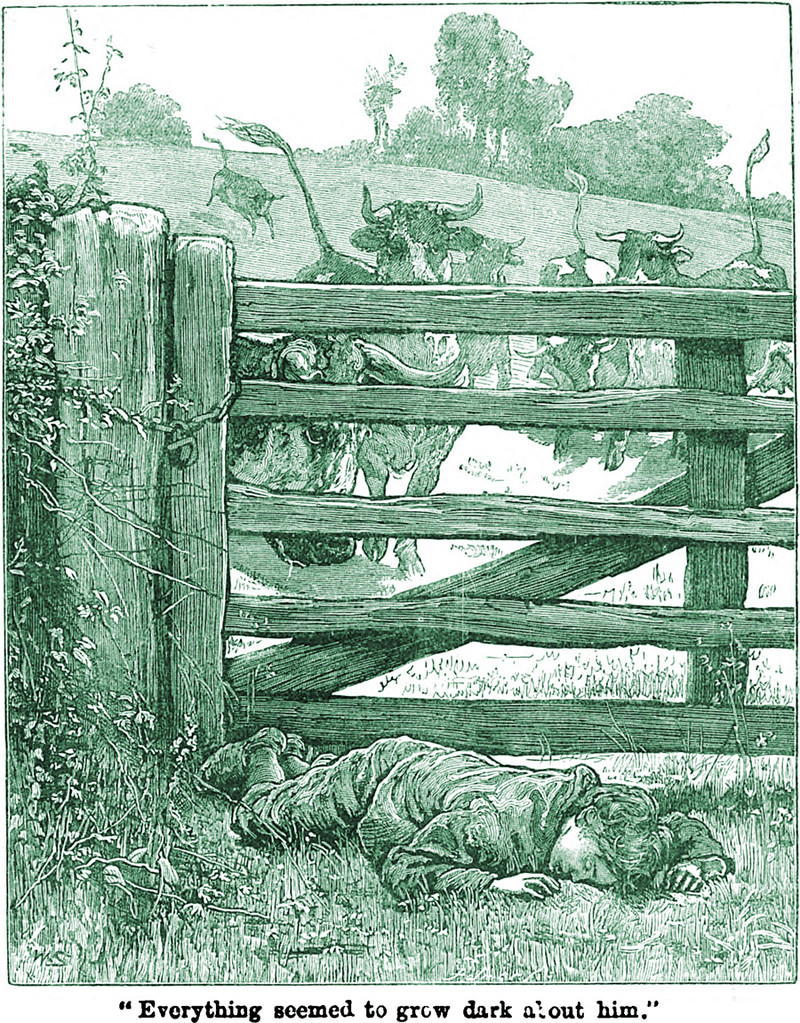
Hegel's "bovine darkness"* is depicted in The Quiver, 1875. The caption reads, "Everything seemed to grow dark about him."
*Compare to Schelling's Indifferenzpunkt, the night in which all cows are black.
|
|
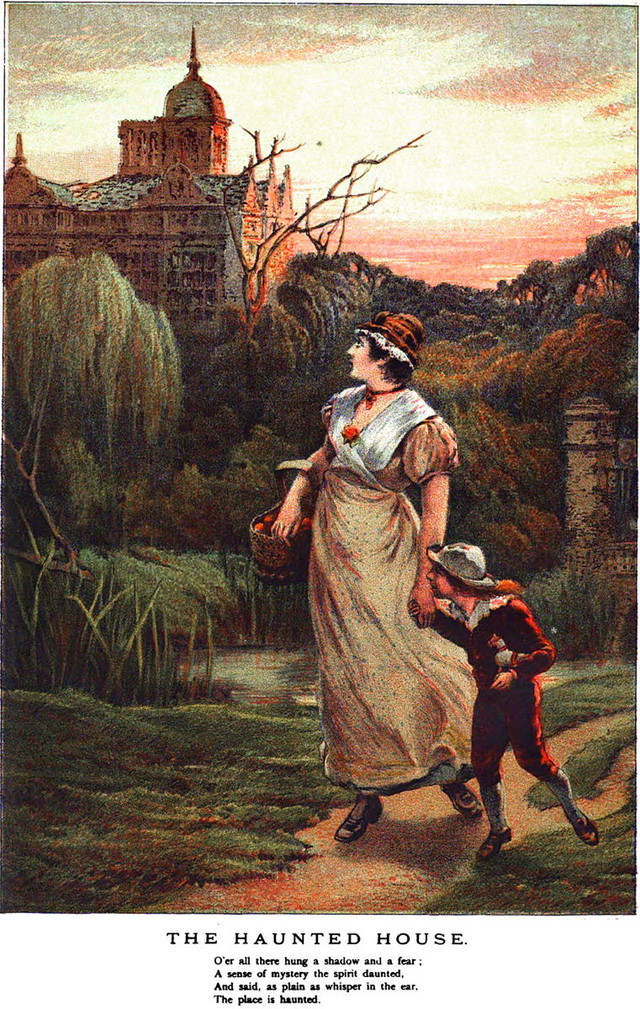
"The Haunted House": an illustration from The Leisure Hour (1881). The poem reads:
O'er all there hung a shadow and a fear; A sense of mystery the spirit daunted, And said, as plain as whisper in the ear, The place is haunted.
|
|
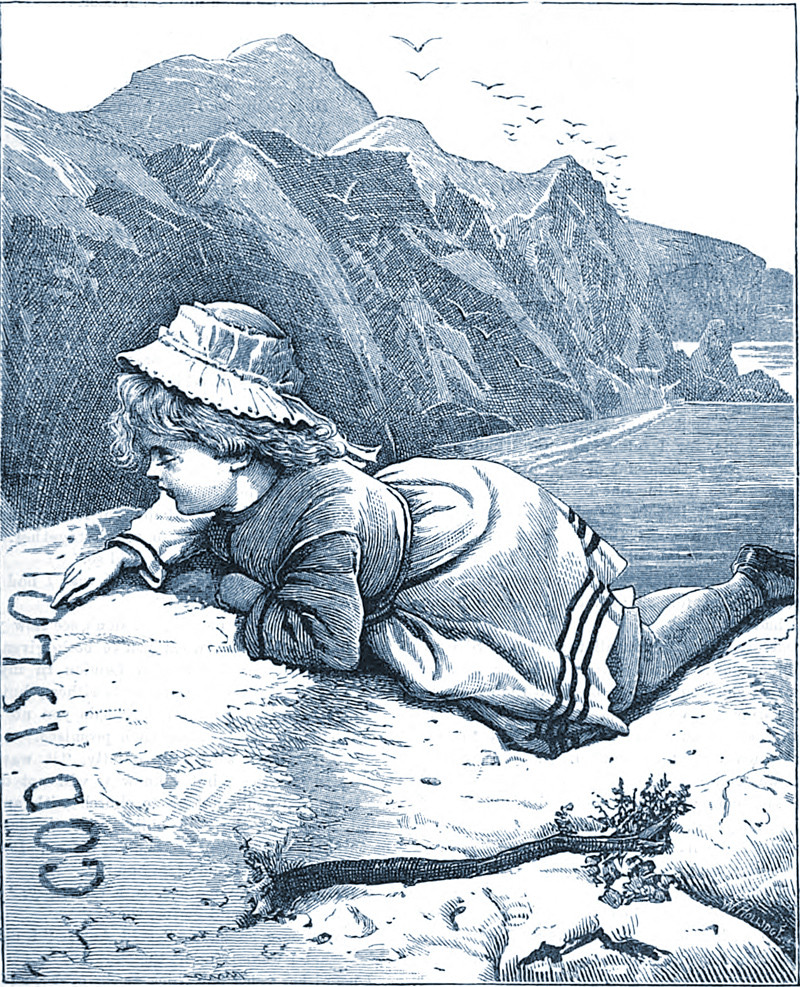
"Cod [with a C] is love": note that in this unretouched image from The Quiver, 1875, it's a large marine fish with a small barbel on the chin that is love. David Watmough explains: "COD IS LOVE seemed more germane ... as a source to pray to than obeisance to some remote and distinctly unfishy deity" ( The Moor is Dark Beneath the Moon, 2002). |
|
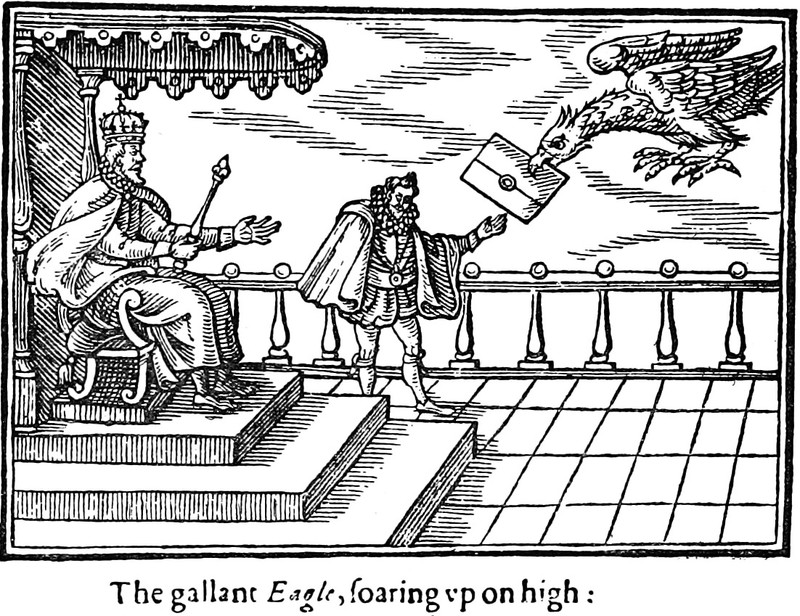
Originally, the E of e-mail stood for eagle. From What Was the Gunpowder Plot by John Gerard (1897). The caption reads: "The gallant Eagle, soaring up on high." |
|
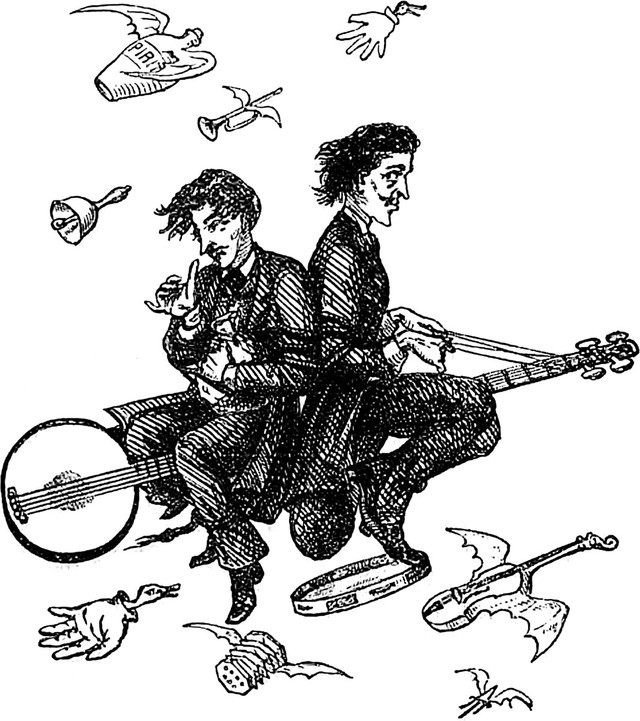
Riding on spirit instruments, fleeing a seance: an illustration from an 1865 issue of Punch magazine. This should be of interest: Seance Parlor Feng Shui.
|
|
|
|
|
|
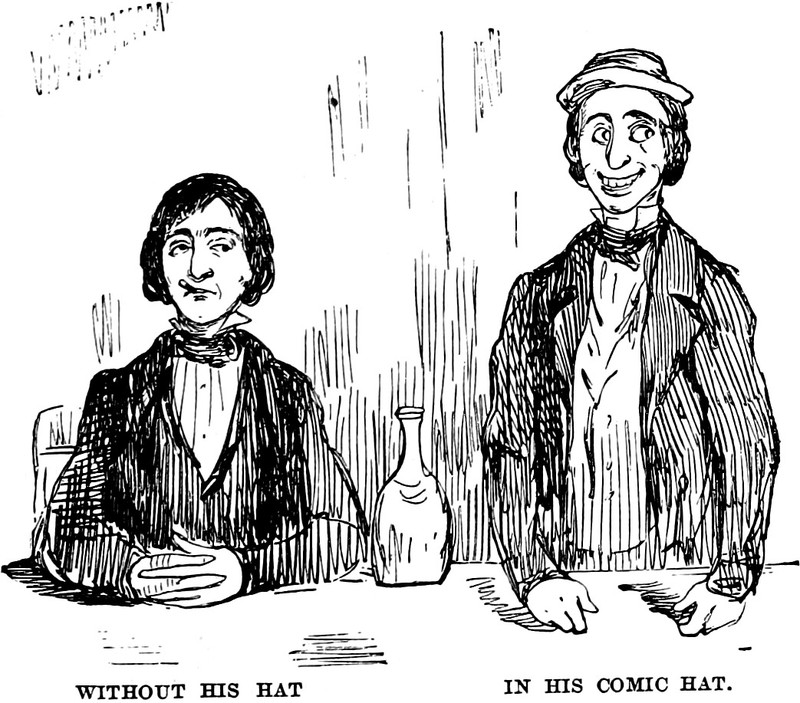
An illustration from The Oxford Thackeray. The caption reads: "Without his hat. ... In his comic hat." |
|
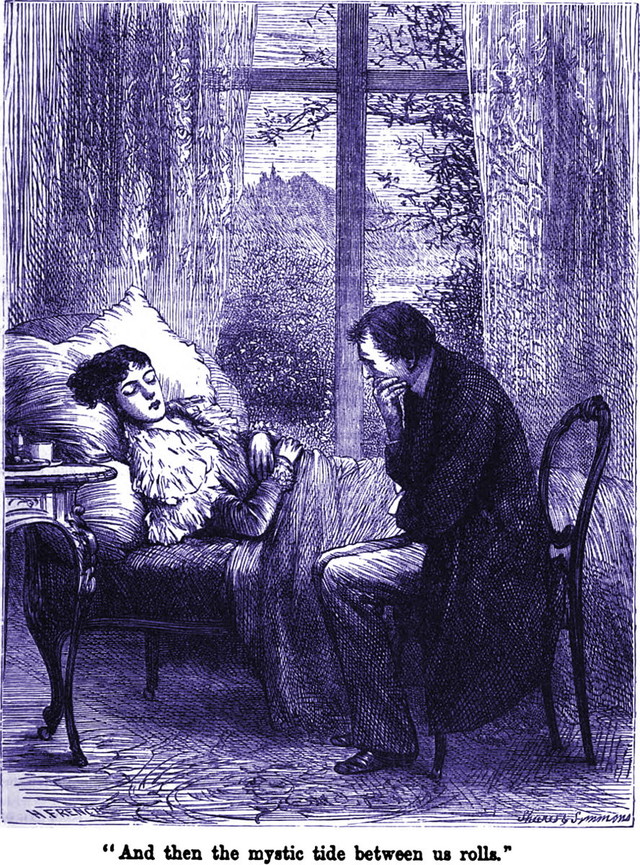
An illustration from an 1879 issue of The Quiver magazine. The caption reads: "And then the mystic tide between us rolls."
|
|
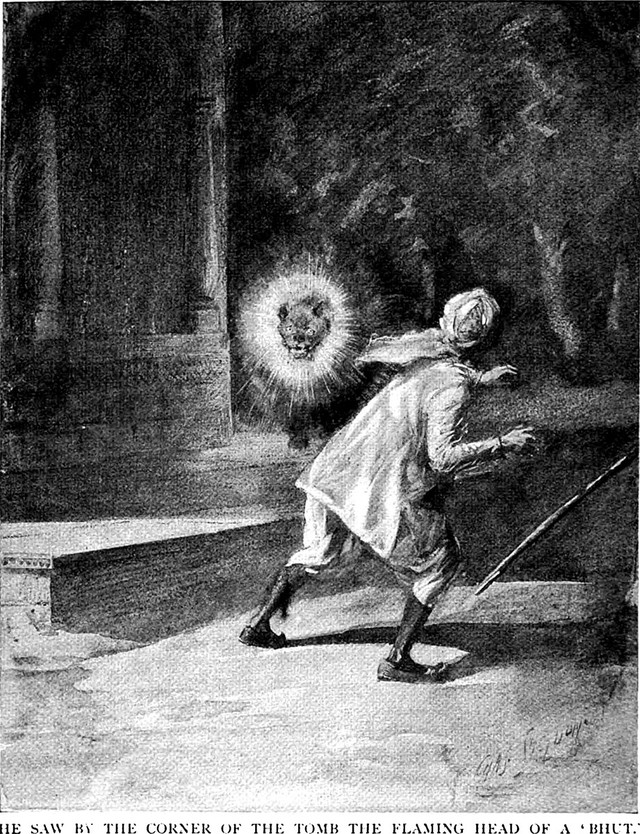
An illustration from a 1904 issue of Wide World magazine. The caption reads: "He saw by the corner of the tomb the flaming head of a 'Bhut.'"
|
|
|
|
|
|
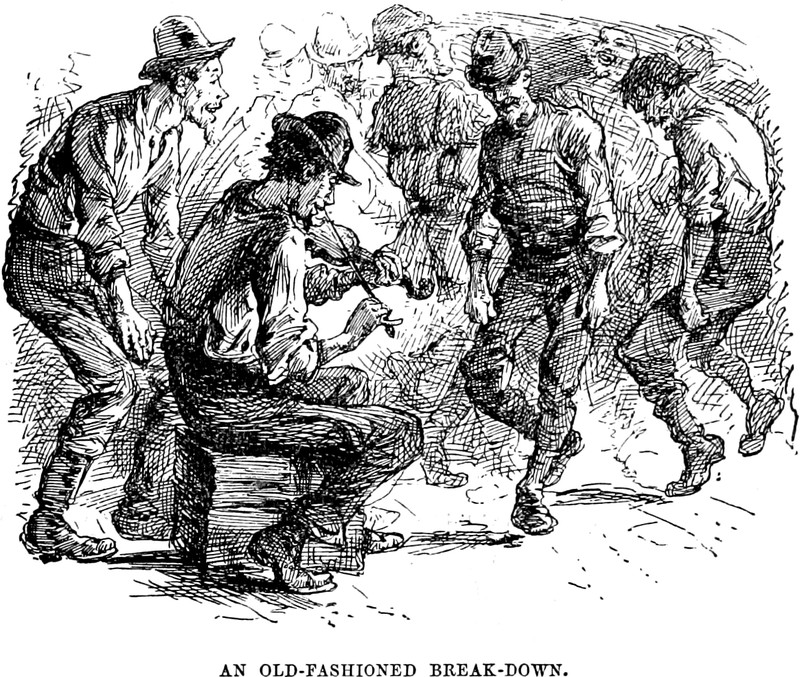
This "old-fashioned break-down," from Mark Twain's Life on the Mississippi (1883), predates by three years Sigmund Freud's private practice specializing in nervous disorders. |
|
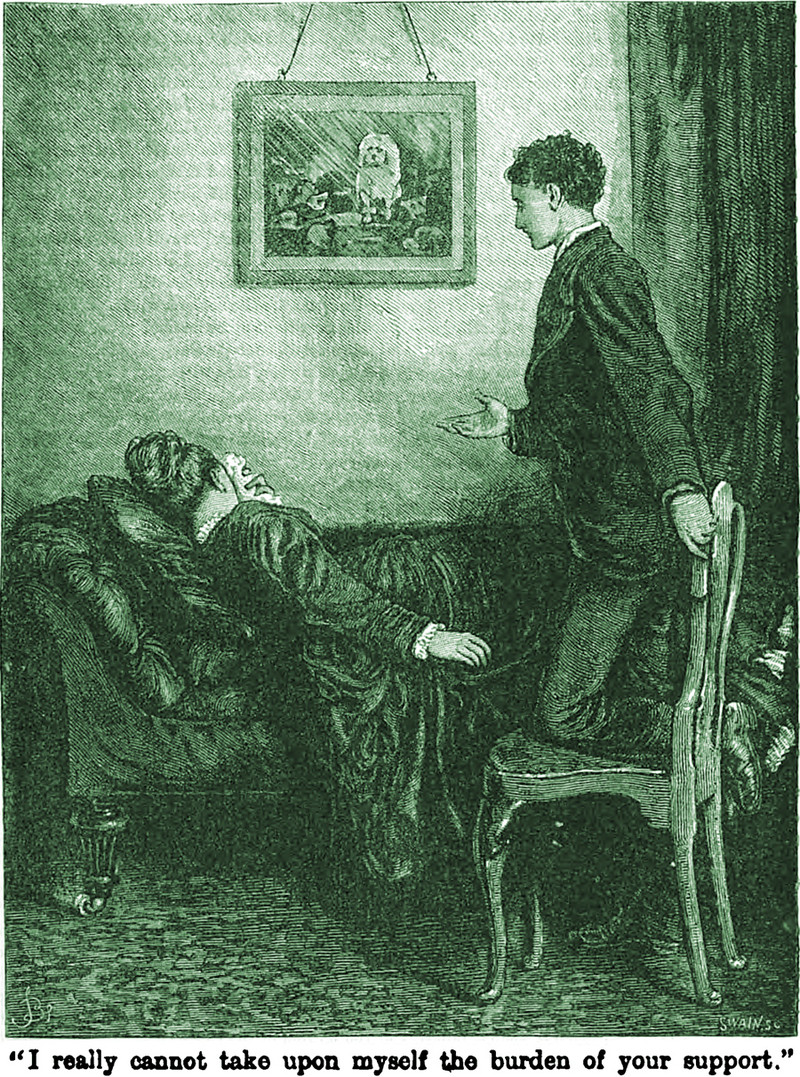
Here's a precursor to Ayn Rand, from The Quiver, 1875. The caption reads, "I really cannot take upon myself the burden of your support." |
Page 3979 of 4335
Original Content Copyright © 2026 by Craig Conley. All rights reserved.
|