|
|
 |
|
"Always remember that there are many — thousands, millions! — of ways of expressing love. And remember that your partner has the right to express his/her love in ways that may not be what you want or expect." — Gregory J. P. Godek, 1001 Ways to Be Romantic (1999)

Photo by Sara Harper-Hudson.
|
|
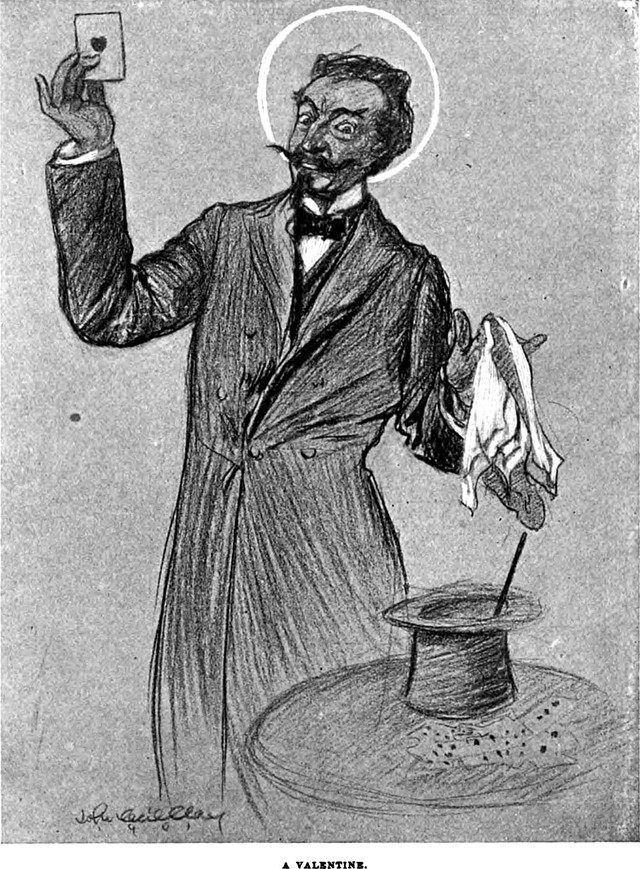
A valentine from a 1903 issue of Life magazine.
|
|
|
|
|
|
On the magical quality of philosophical phrases: "They have something, a sort of magic — I don't know what — that makes like rich and exciting to me. . . . I think we're thrilled by the weight of history that lies behind each one of these phrases. It isn't just the world itself, or just its immediate meaning. It's a long, trailing margin of human sensations, life by life, century by century, that gives us this peculiar thrill. . . . I know they're absurd, these phrases . . . Words like 'pluralism' and 'dualism' and 'monism.' But what they make me think of is just a particular class of vague, delicious, physical sensations! And it's the idea of there having been feelings like these, in far-off, long-buried human nerves, that pleases. . . . It makes life seem so thick and rich and complicated." — John Cowper Powys, Wolf Solent
|
|
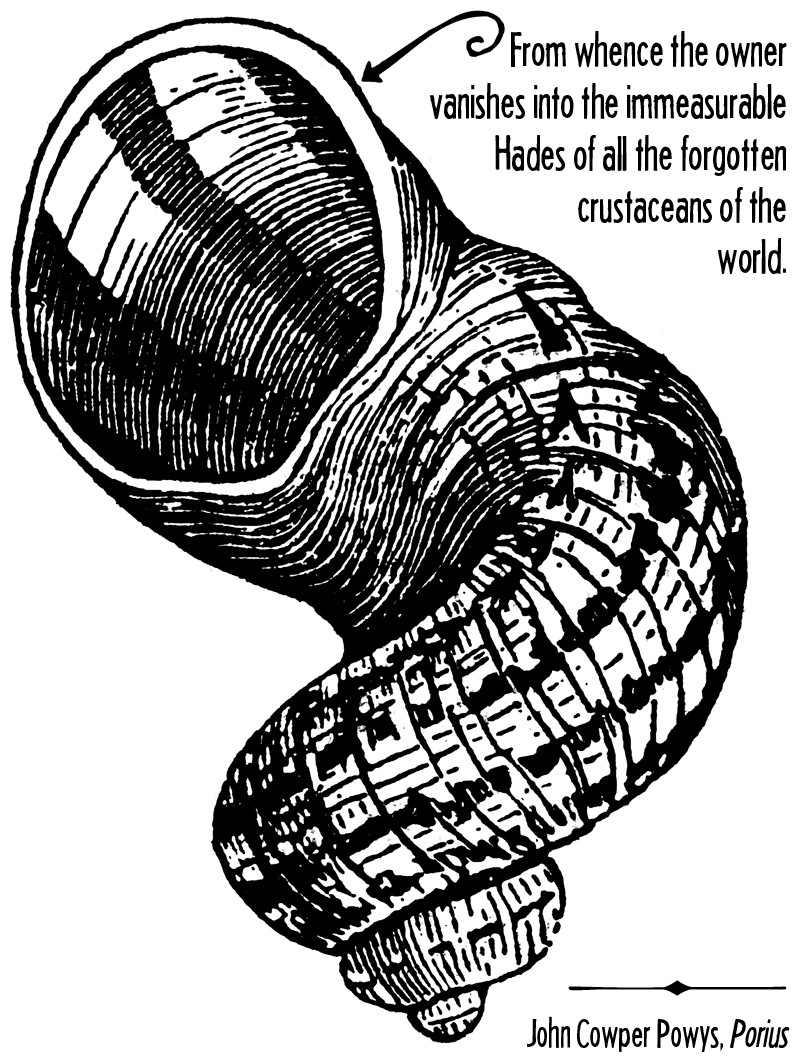
The caption reads, "From whence the owner vanishes into the immeasurable Hades of all the forgotten crustaceans of the world. — John Cowper Powys, Porius.)
|
|
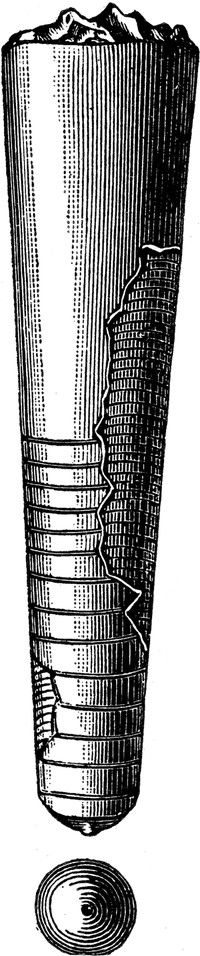
To date, the oldest exclamation point that geologists have excavated is a simple straight-shelled cephalopod.
|
|
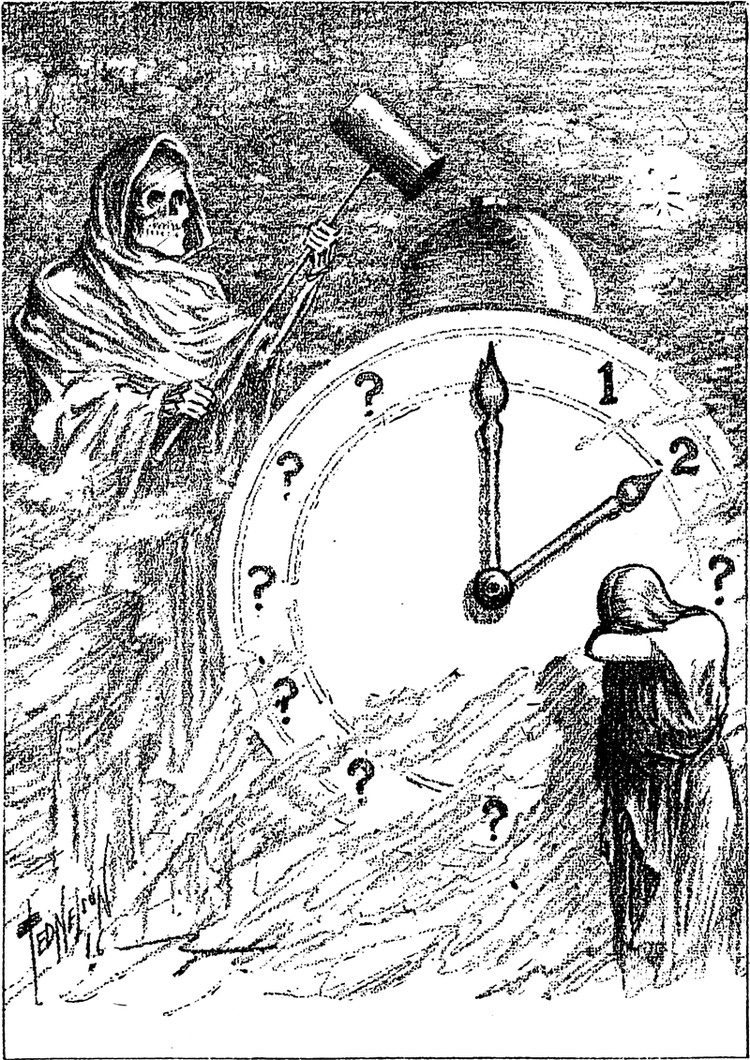
"So it's 2 pm and you've got the dreaded 2 o'clock feeling." —The Grave Radio
This illustration of the dreaded 2 o'clock feeling is from Cartoons magazine, 1916.
|
|
|
|
|
|
| I Found a Penny Today, So Here's a Thought |
(permalink) |
|
|
|
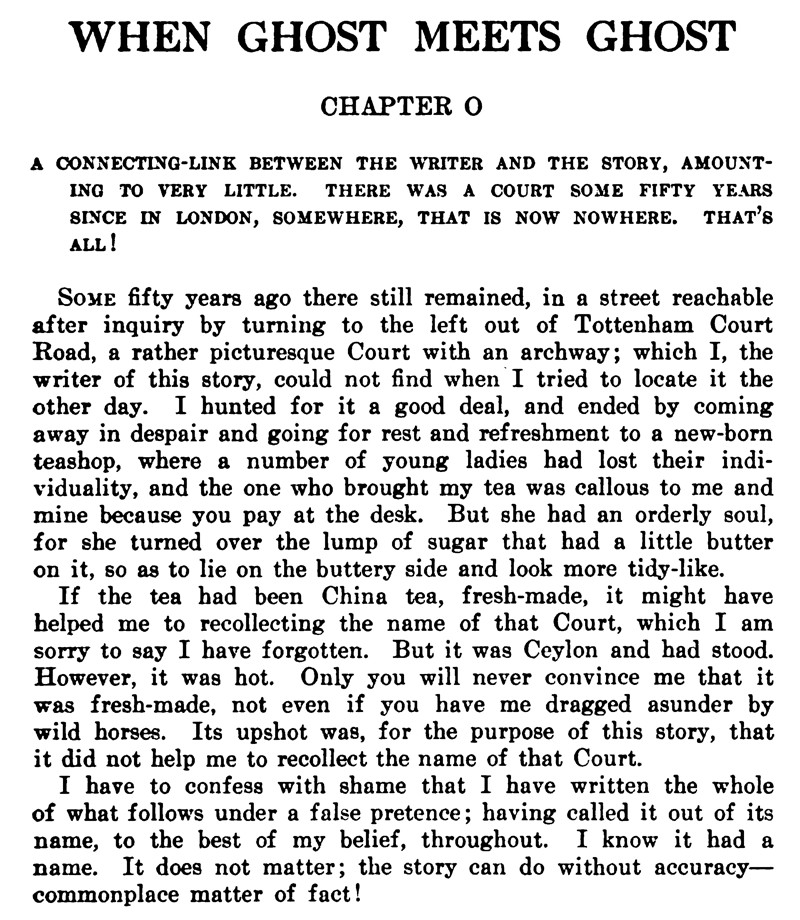
There's so much to love in this first page of William De Morgan's When Ghost Meets Ghost (1914). The first chapter is very rightly numbered zero. Shouldn't all ghost stories begin with chapter zero? The chapter summary is playfully honest about what it amounts to, and it mentions a "somewhere that is now nowhere." In the first paragraph, there's a withering mention of several young ladies having "lost their individuality." The third paragraph exposes a great truth: a story can do without accuracy. |
|
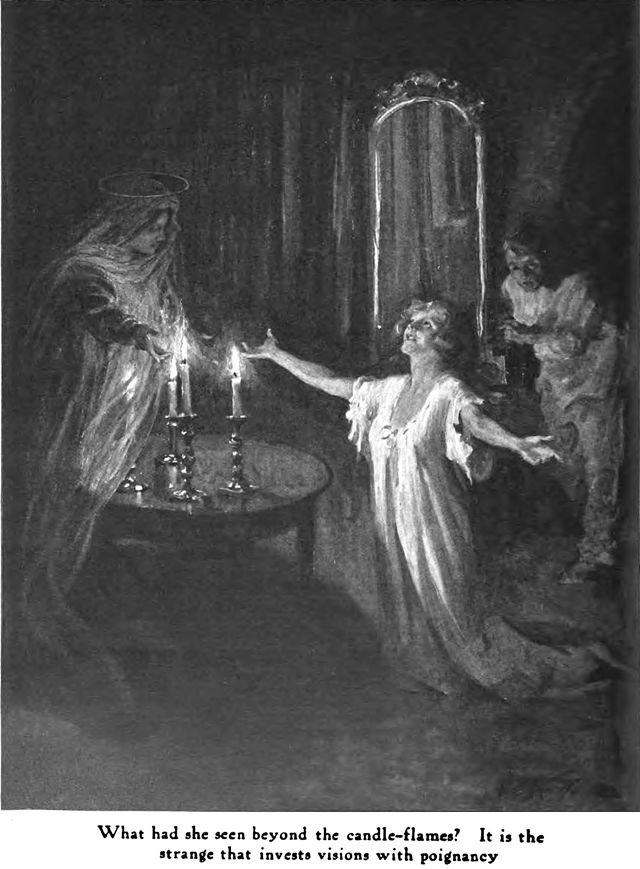
Staring into the depths: an illustration from a 1915 issue of Cosmopolitan magazine. The caption reads: "What had she seen beyond the candle-flame? It is the strange that invests visions with poignancy."
|
|
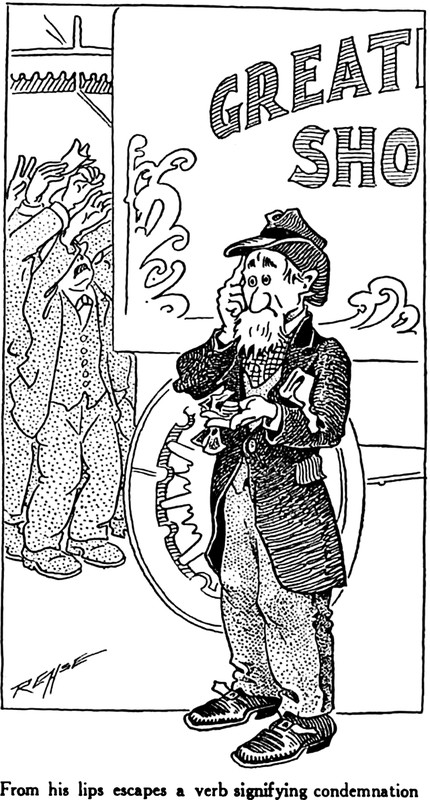
Here's a form of cartoon swearing ("maledicta") from Metropolitan Magazine, 1911 — perhaps an exclamation of "Dingbat!" without the use of any dingbats. The caption says it's a verb, and the "ding" part of "dingbat" probably traces back to the obsolete meaning "to deal a heavy blow."
|
|
|
|
|
|
From Samuel Orchart Beeton's Book of Jokes and Jests: Dionysius, the tyrant of Syracuse, was tormented by the conspiracies incessantly formed against his throne and person. One day a man presented himself at a public levee, and told the monarch that he knew of a means by which the monarch might discover any conspiracy against him, and that for a certain sum of money he would reveal it to him. Dionysius promised to give him what he asked, upon which the man, taking him aside, said to him, "I possess no such secret, but if you tell your subjects that I have revealed to you one that is infallible, no one will henceforth dare to conspire against you." Dionysius thought the advice excellent, adopted it, paid the money, and lived tranquilly thereafter.
|
|
An illustration from a 1905 issue of Metropolitan magazine.
|
|
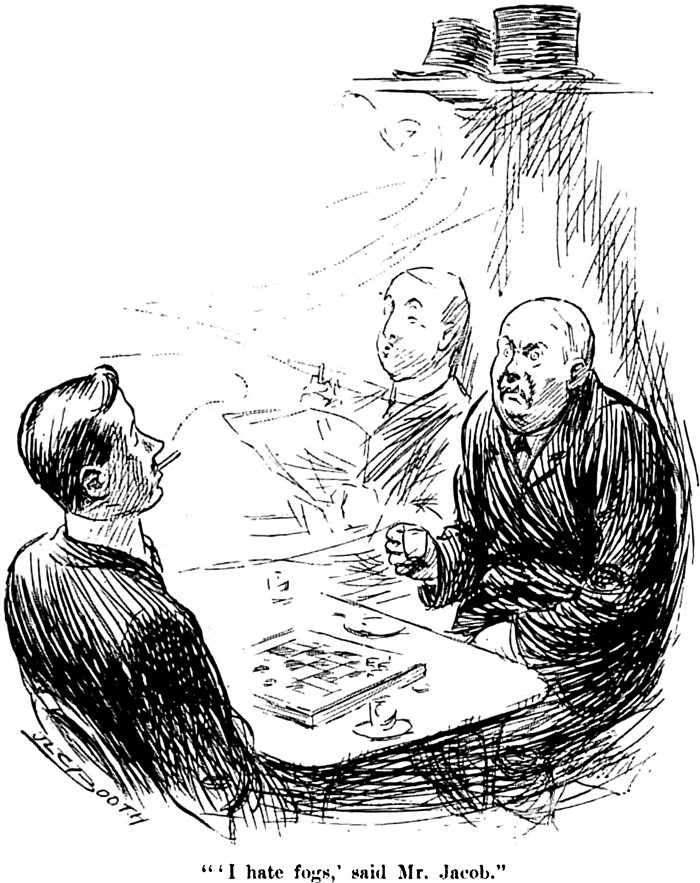
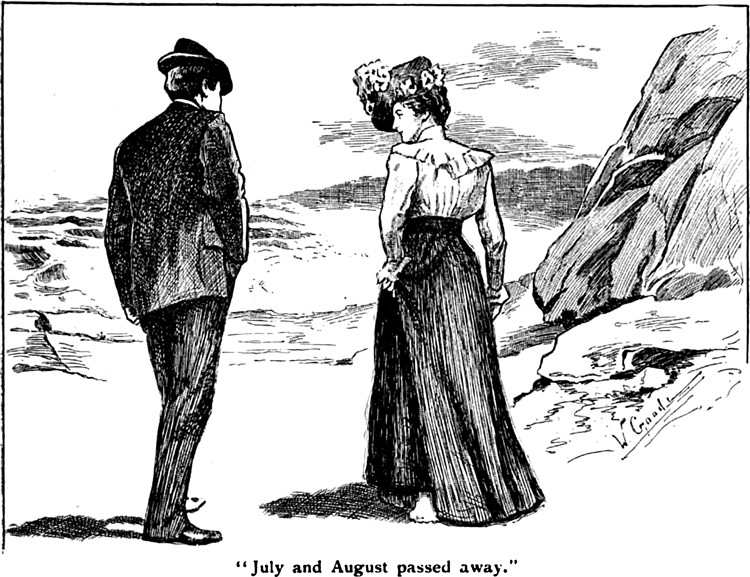
Pleasantries about the weather need not be dispassionate, as we see in the caption to this illustration from Windsor magazine, 1908.
|
|
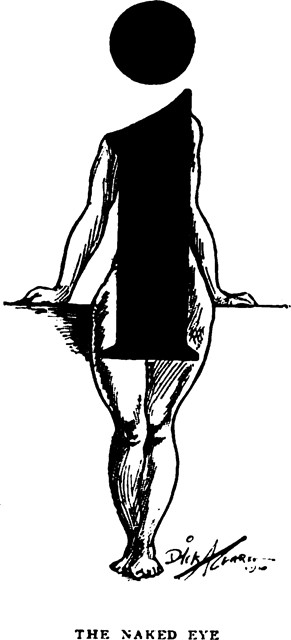
A naked I under the naked eye. From Life magazine, 1911.
My dream was concupiscent.
|
Page 3 of 4
> Older Entries...
Original Content Copyright © 2026 by Craig Conley. All rights reserved.
|













 "This might surprise you ... but not everyone gives a rat's ass about antique maps."