|
|
 |
|
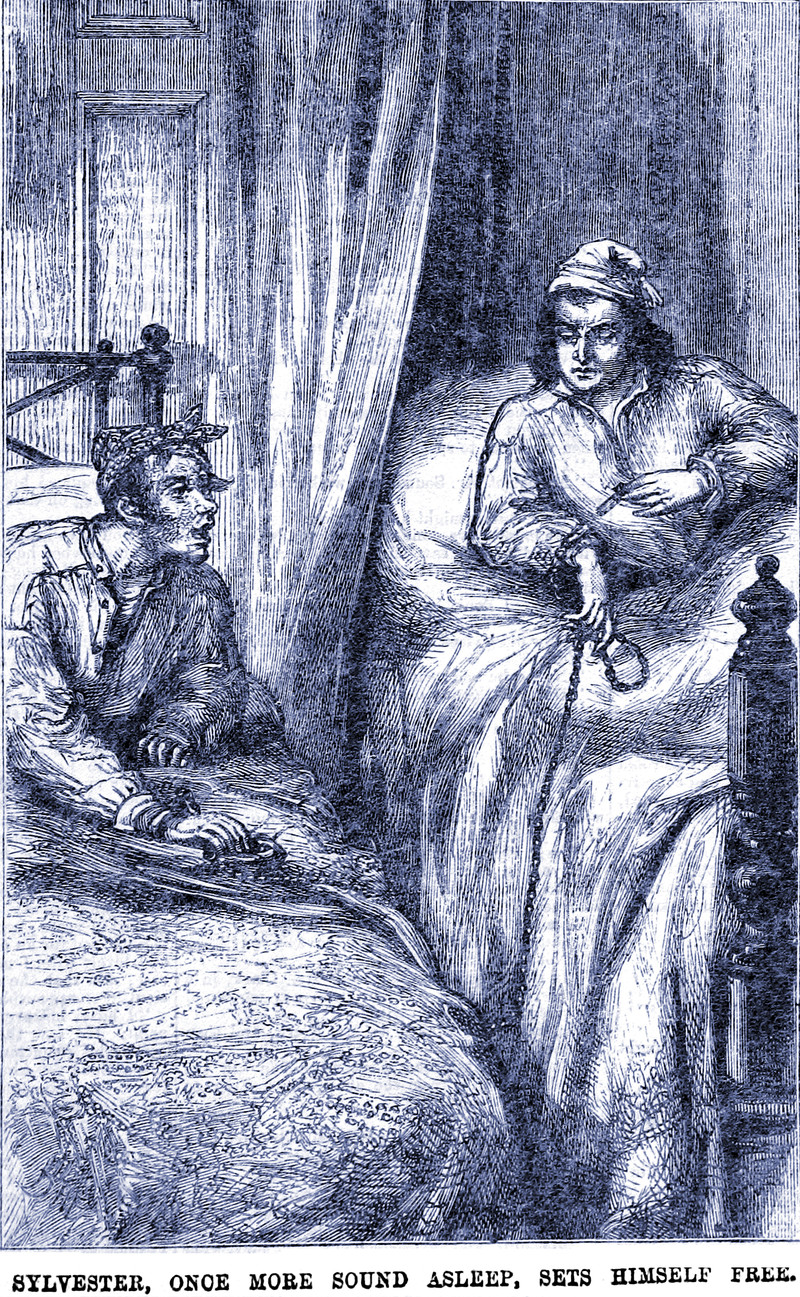
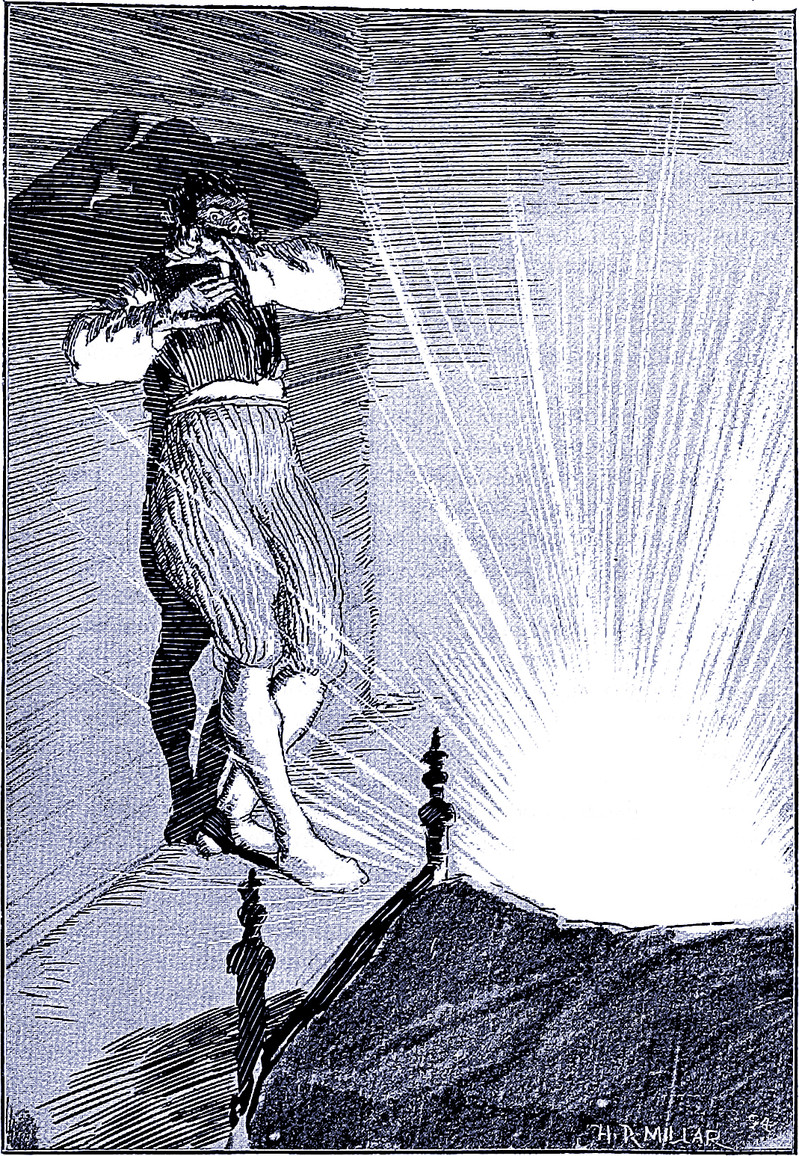
You've heard of somnambulists, and you've heard of escape artists, but here's both at once. The caption reads, "Sylvester, once more sound asleep, sets himself free." From Dicks' English Library of Standard Works, 1884.
|
|
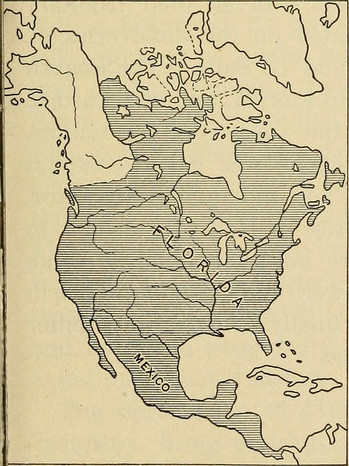
As we see in this vintage map, Florida once occupied most of North America. But one could also make an argument that most of North America was once Scotland, just as absurdist playwright N. F. Simpson has argued that the Mediterranean could technically fall under Scottish law:
Lawyer: It would be enough to show that it [the Mediterranean] is in what — for the present purposes — can be deemed to be Scotland, and here we might usefully explore the possibility that Scotland, as we know it, may not always have occupied the precise position north of the border that it is commonly thought of as occupying today. We are assisted here by the known fact that the general configuration of the Earth's surface, such as it is, was not arrived at overnight. It is the end product of a not unlengthy process involving widespread upheaval over a period of several millennia, during the course of which things were in a considerable state of flux ... and it should not be difficult to demonstrate as an a priori possibility that Scotland — or what was subsequently to become known as Scotland — might, in one of the remoter periods of geological time, have occupied, however fleetingly, and prior to making its journey northwards to the position on the map that it has occupied ever since, [the Mediterranean]. If so, there would be a strong prima facie case for a reappraisal of the whole situation with a view to bringing the whole matter fairly and squarely within the jurisdiction of the Scottish courts.... Senior: Sounds promising. Minister: Yes — I think one could give voice to a tentative eureka there.
|
|
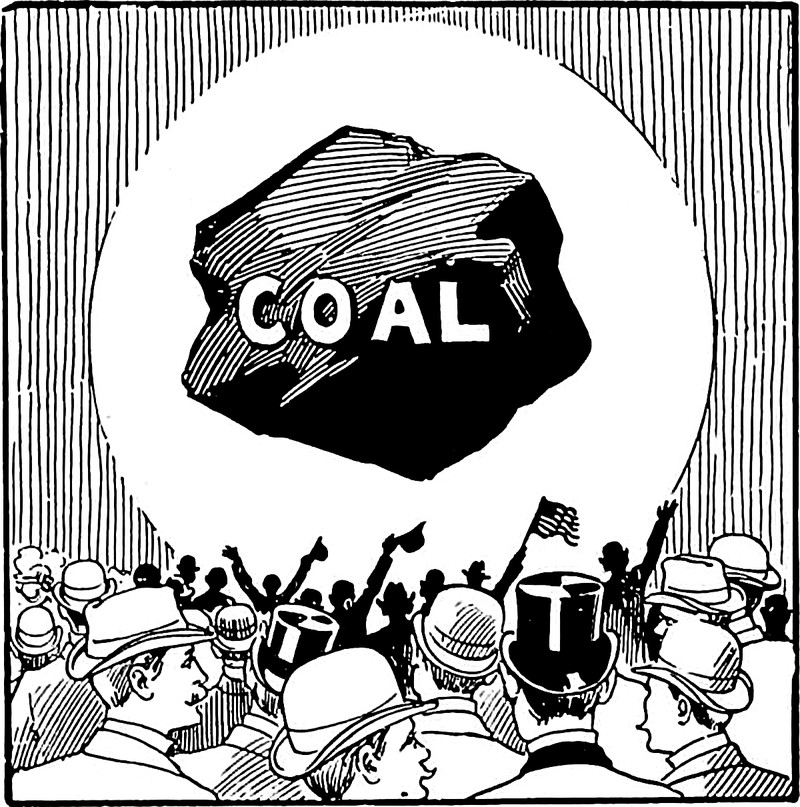
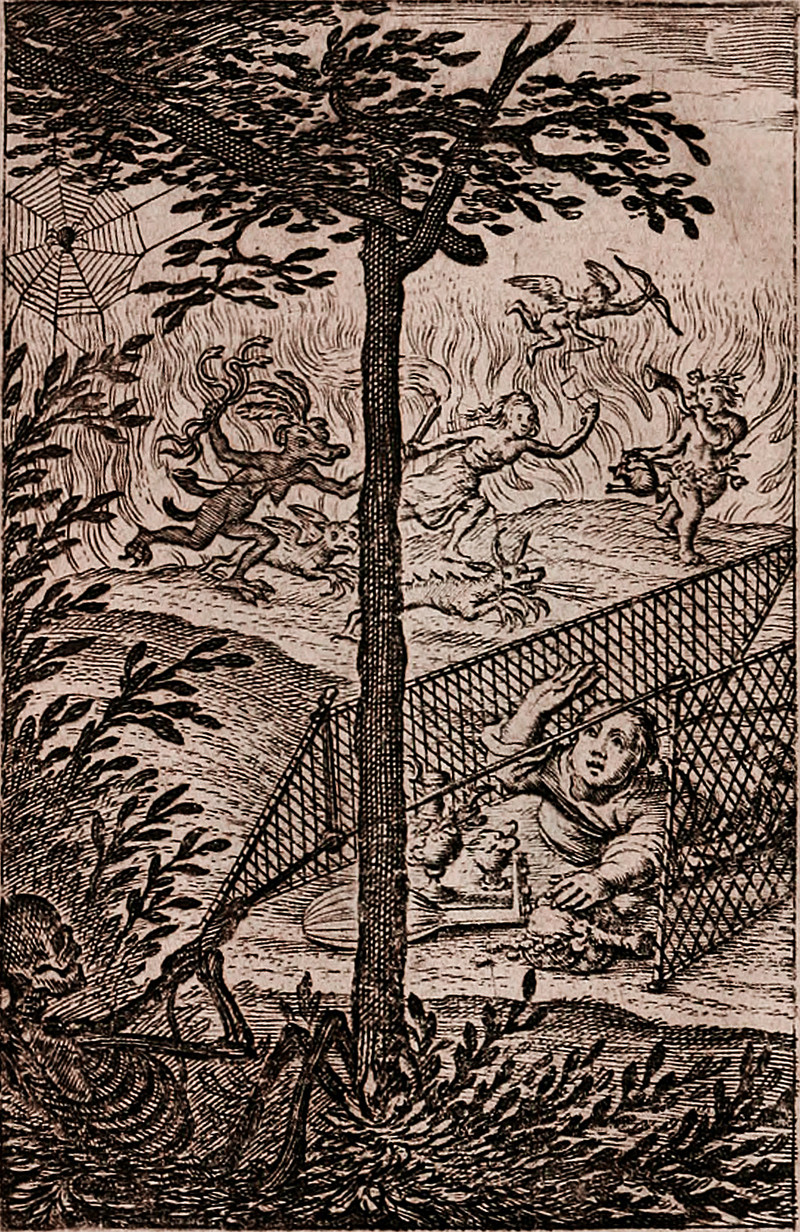
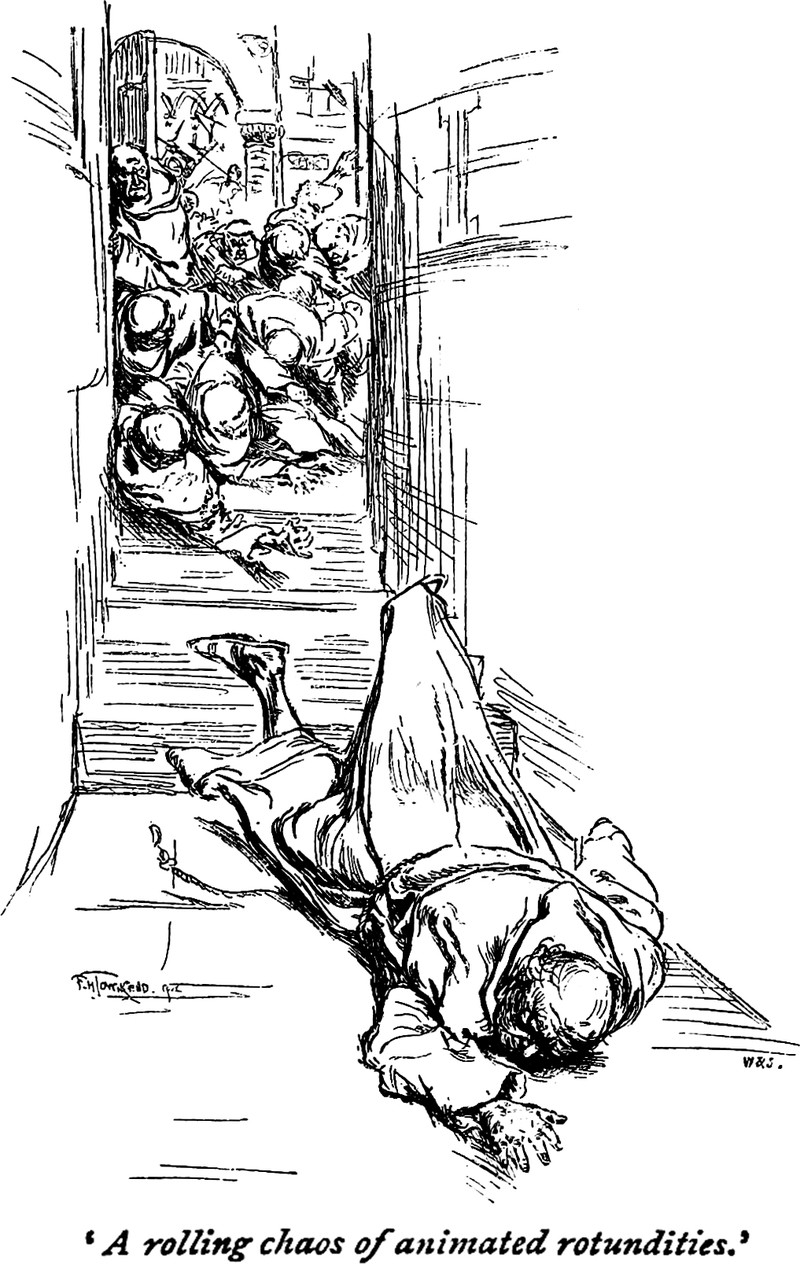
You've heard of being raked over the coals, but here are some rakes under the coal [we're here all night], from Purdue Debris, 1917.
|
|
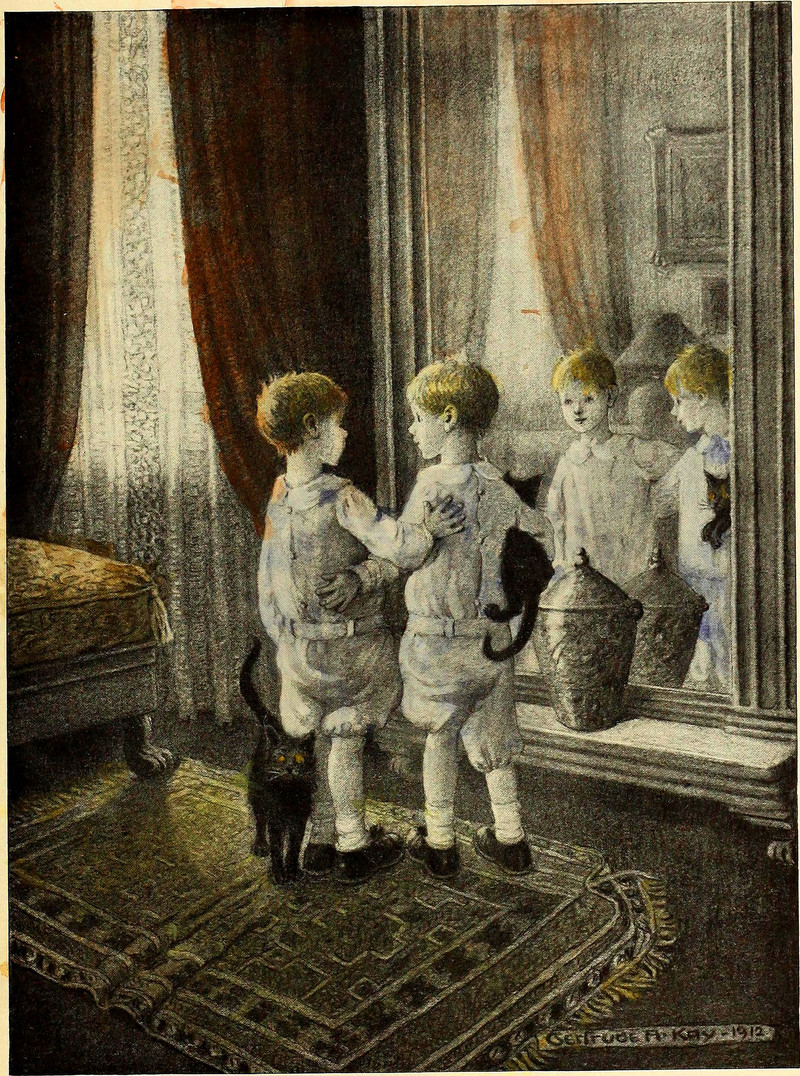
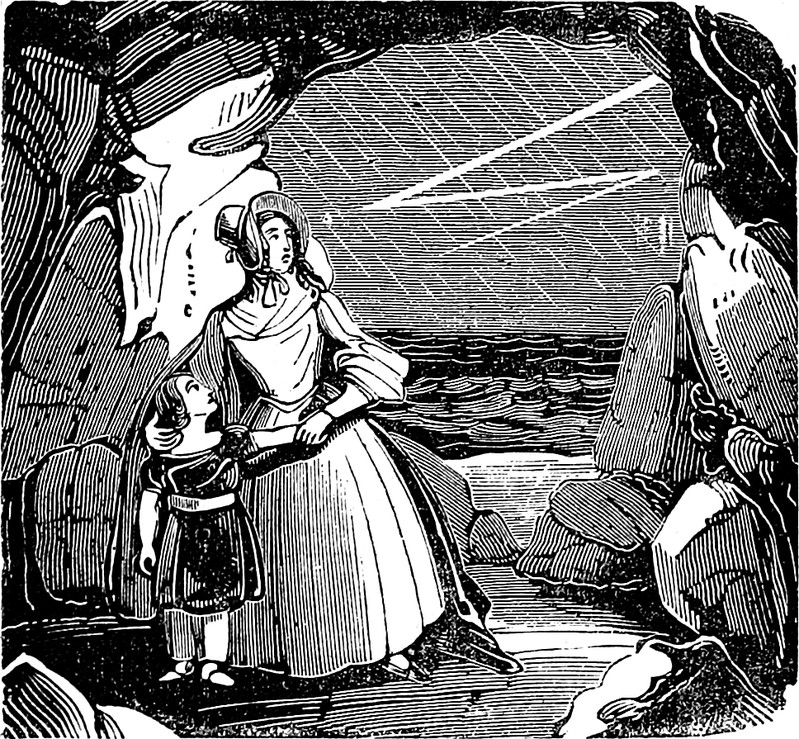
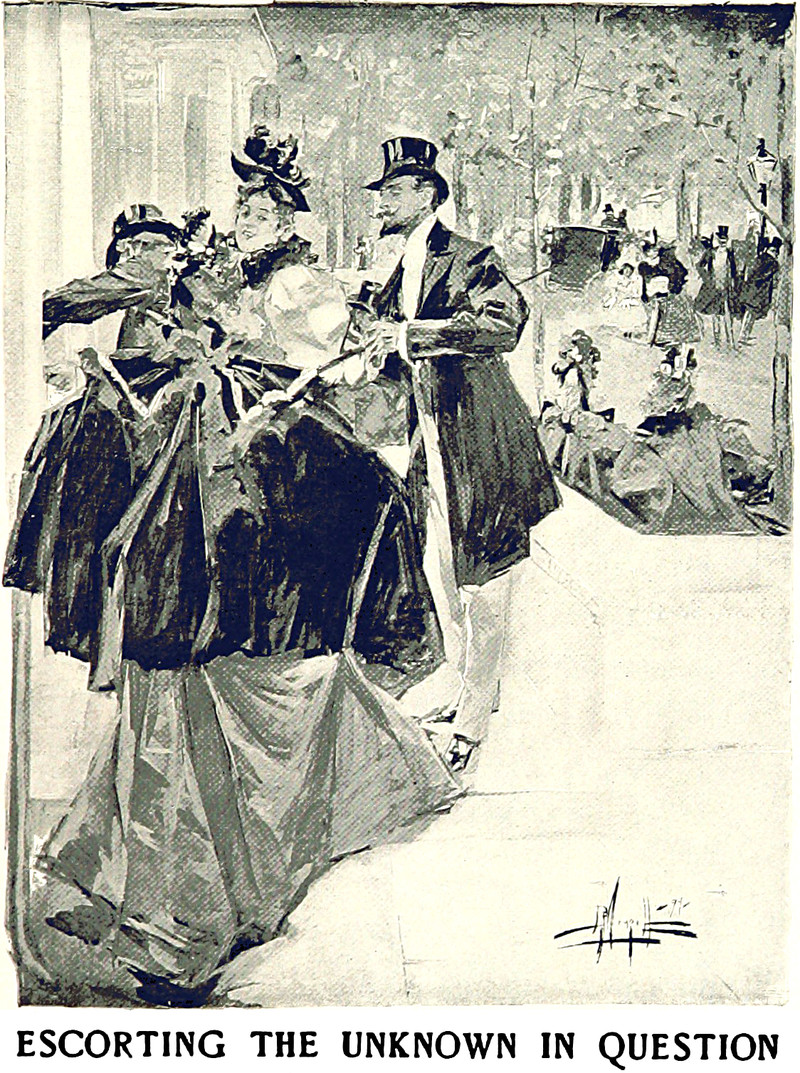
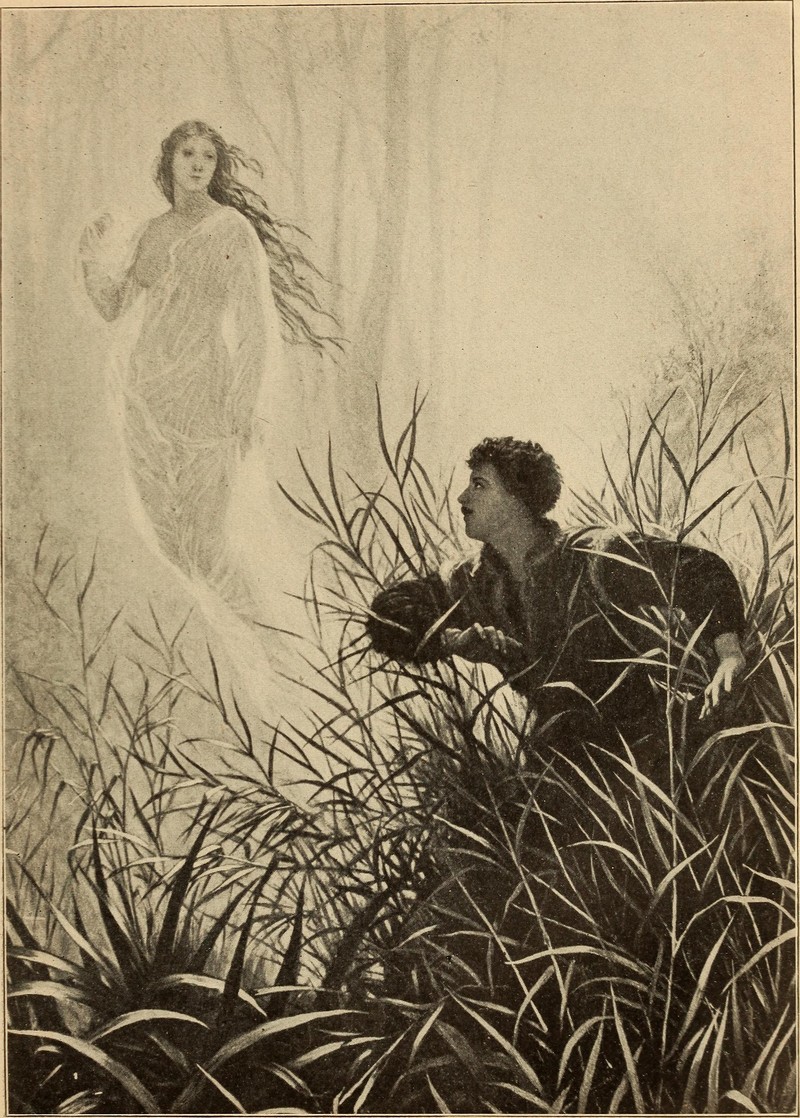
We mustn't merely face the unknown, but escort it was well. "Escorting the unknown in question," from The Bachelor's Christmas by Robert Grant, 1895.
|
|
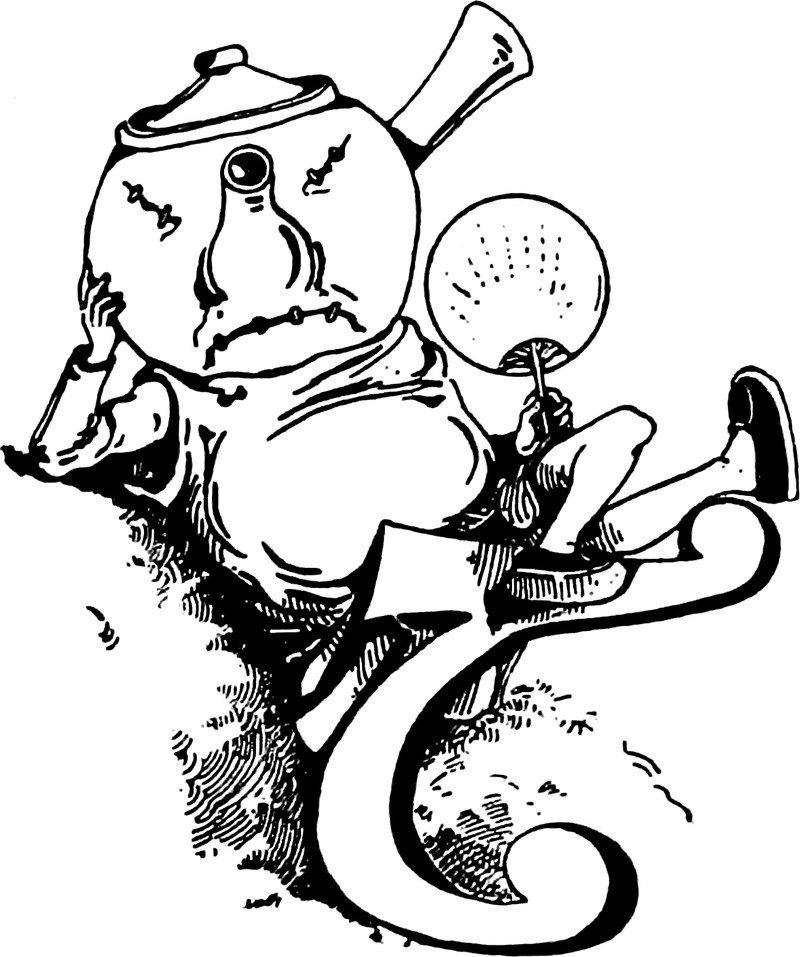
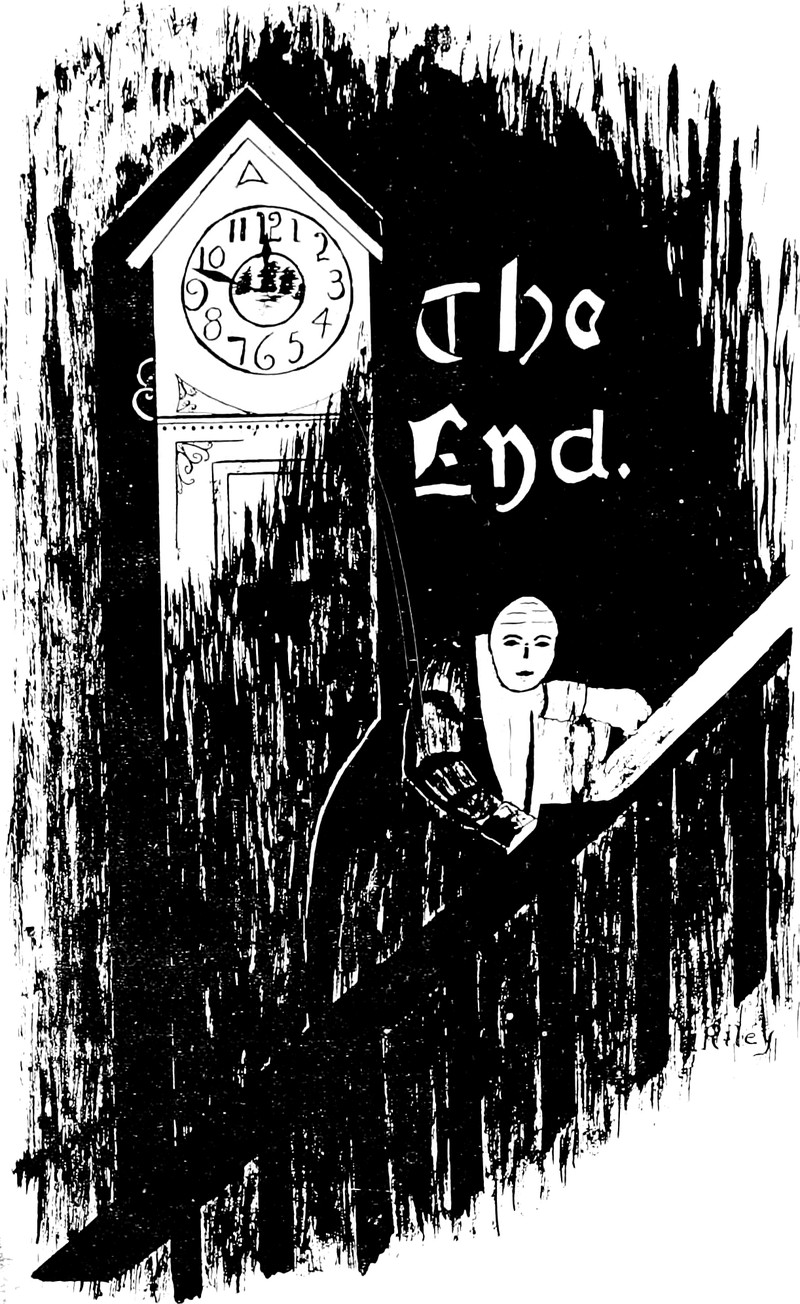
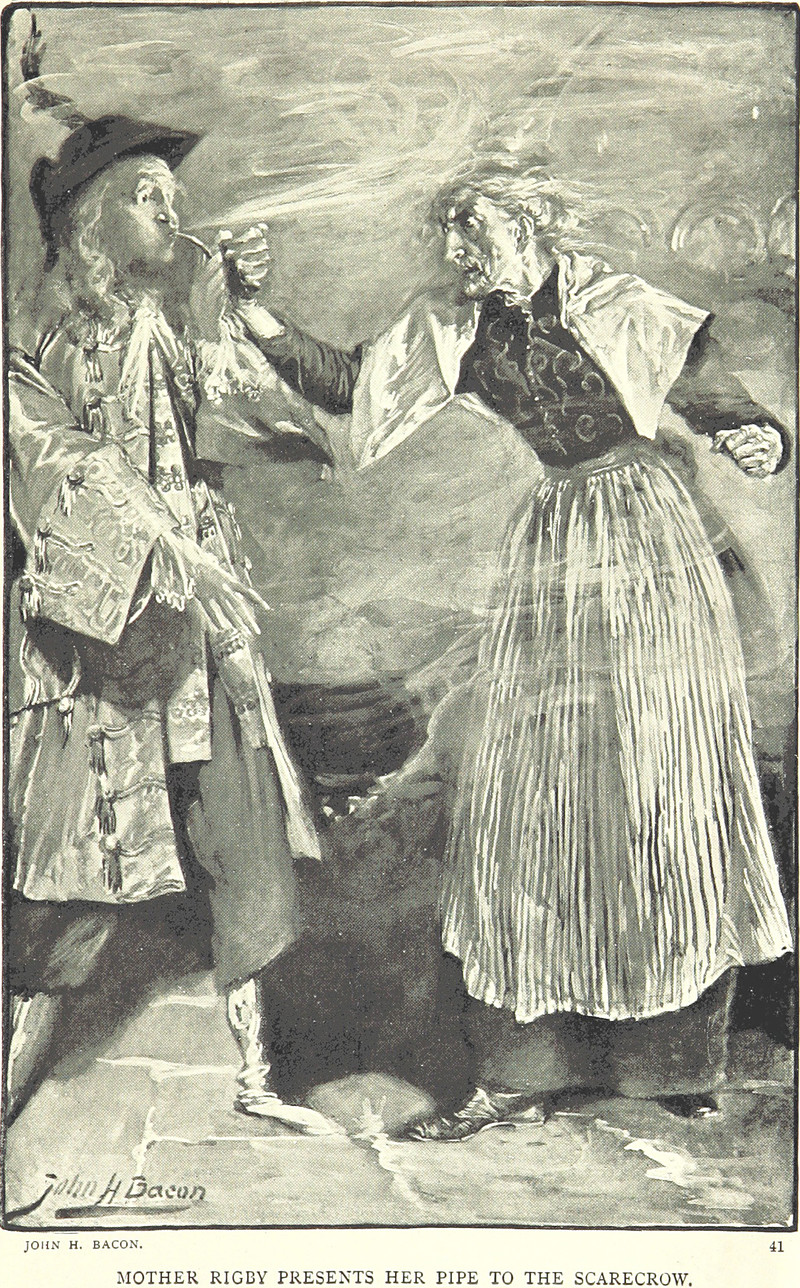
Mother Rigby presents her life-giving pipe to the scarecrow she has animated, from Nathaniel Hawthorne's fable "Feathertop," 1852. |
|
|
|
| I Found a Penny Today, So Here's a Thought |
(permalink) |
|
|
|
Can one judge a book by its first page? (Spoiler: we do.) We bought Kazuo Ishiguro's The Buried Giant after reading John Pistelli's piece about it, and we'll probably try to get through it, but page one sure did leave us cold. (That's not counting Ishiguro's blatantly misused semicolon in the second line.) We're initially astonished over the banquet of praise the book has received. In fairness, one can't help but to draw comparisons to John Cowper Powys' astonishing Porius, which similarly explores ancient Wales and its mythology (only Powys, under the spell of Merlin, writes sublime sentences from the get-go). Almost more so, we're still staggering from the utter brilliance of The Attic Pretenders, which presents itself as an actual artifact of the Otherworld (and may be the only one of its kind: the phrase "artifact of the Otherworld" delivers zero Google results). (And thanks to Writers No One Reads for putting us onto The Attic Pretenders.) Compared to the visceral Otherworld that Attic Pretenders captures, the first page of The Buried Giant feels like a child's chalk drawing. While we'd love for page two of The Buried Giant not to disappoint, we have entire color-coded bookshelves of vastly better-written prose.
|
|
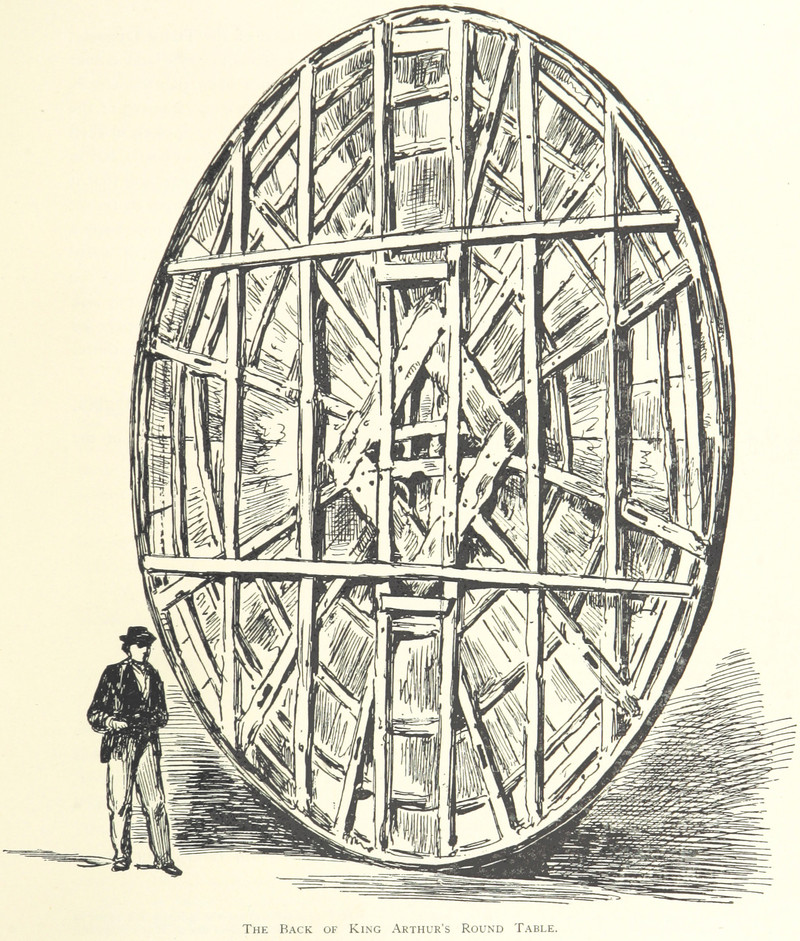
The phrase "a circle isn't self-supporting" delivers zero Google results, and yet here's proof. From The Great Hall, Winchester Castle by Melville Portal, 1899. The caption reads, "The back of King Arthur's Round Table."
|
Page 3901 of 4335
Original Content Copyright © 2026 by Craig Conley. All rights reserved.
|